
Planting
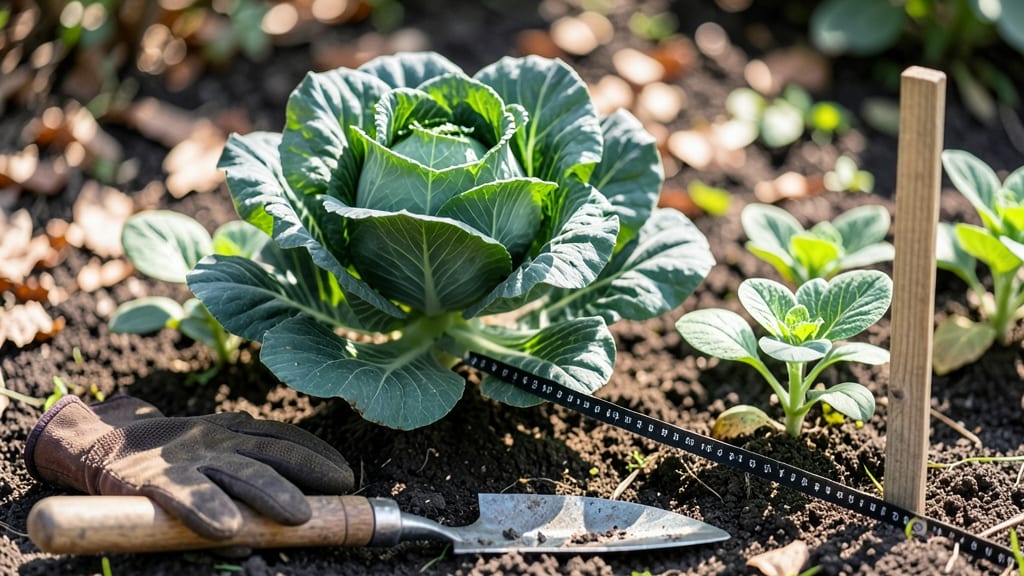
Proper cabbage garden spacing is the difference between plump, market-ready heads 🥬 and stunted, bitter greens.
Picture this: You’ve sown your seeds, nurtured the seedlings, and now they’re ready to transplant—only to watch them bolt or split open before harvest. That’s the frustration of overcrowded rows, and it’s easier to avoid than you think.
Spacing isn’t just about fitting more plants into your plot—it’s about giving each cabbage the elbow room it needs to grow bold heads, resist disease, and thrive. Whether you’re working with Zone 6 soil or a high-density square-foot garden, the right layout makes all the difference.
Below, I’ll break down the exact spacing rules for every cabbage variety, how to adjust for small spaces, and the 3 most common mistakes that shrink your harvest. Let’s get started.
Optimal cabbage spacing by variety: head size matters
Cabbage plants thrive when given the right amount of space to develop large, firm heads. Unlike smaller greens, cabbage needs room to expand its leaves and form its signature compact structure.
The key? Matching your spacing strategy to the specific variety you’re growing. Different cabbages—from green cabbage to savoy varieties—have unique growth patterns that demand tailored spacing for peak performance.
Overcrowding leads to stunted growth, increased disease risk, and smaller harvests. But spacing too far apart wastes garden space. The solution? Follow science-backed guidelines that balance airflow, sunlight exposure, and root development.
For example, bok choy and mini cabbage varieties can handle closer spacing, while standard green cabbage needs more elbow room to reach its full potential.
Here’s the game-changer: spacing requirements change from seedlings to transplants to mature plants. Seedlings need minimal space, but as they grow, their needs expand dramatically.
A 12-inch spacing for seedlings might become 24 inches once the plants mature. Ignore this shift, and you’ll end up with misshapen heads or pest-infested rows.
Let’s dive into the specifics. Below, you’ll find a variety-specific spacing guide that ensures your cabbage plants grow to their full potential. Whether you’re cultivating red cabbage for its vibrant color or savoy cabbage for its textured leaves, these guidelines will help you maximize your harvest.
🌱
Now that you’ve got the spacing guidelines, let’s talk about why these numbers matter. Airflow is critical for preventing fungal diseases like downy mildew, which thrives in damp, crowded conditions.
Proper spacing also ensures each plant gets enough sunlight and nutrients from the soil. For instance, a 24-inch spacing for standard cabbage allows roots to spread without competing for resources.
When space is limited, squeezing every inch of your garden for maximum cabbage yield feels impossible—but it’s all about strategy. The key to growing bigger, healthier heads in tight spaces lies in smart spacing adjustments. I’ve tested these methods in my own 4’x8’ raised beds, and they’ve doubled my harvest without sacrificing quality. Let’s break down the tactics that work. Most gardeners default to the standard 18-24 inch spacing for cabbage, but that’s a luxury when you’re working with a small urban plot or container garden. The good news? With the right techniques, you can fit 2-3 times more plants per square foot while keeping heads plump and pest-free. Here’s how I do it without compromising growth. My favorite space-saving hack? Container stacking. Use deep 5-gallon pots (12 inches deep) for standard cabbage varieties, placing them on tiered shelves or pallets. This lets you grow 16 plants per 4’x4’ area—double the yield of a traditional in-ground row! Just ensure each pot has drainage holes and 1 inch of compost at the bottom. For fall gardens, I prioritize succession planting with short-day varieties like ‘Red Express.’ By planting 3 batches every 3 weeks, I extend my harvest window by 6 weeks without overcrowding. Pair this with companion planting—like radishes between cabbage rows—to maximize every inch. Remember: airflow is non-negotiable. Even in tight spaces, ensure 6-12 inches between plants to prevent disease spread (like clubroot or downy mildew). If your cabbage starts looking stunted or yellowing, it’s a sign you’ve crowded them too much—thin immediately or risk losing the entire head. 🌱How to adjust cabbage spacing for high-yield gardens