
Tools
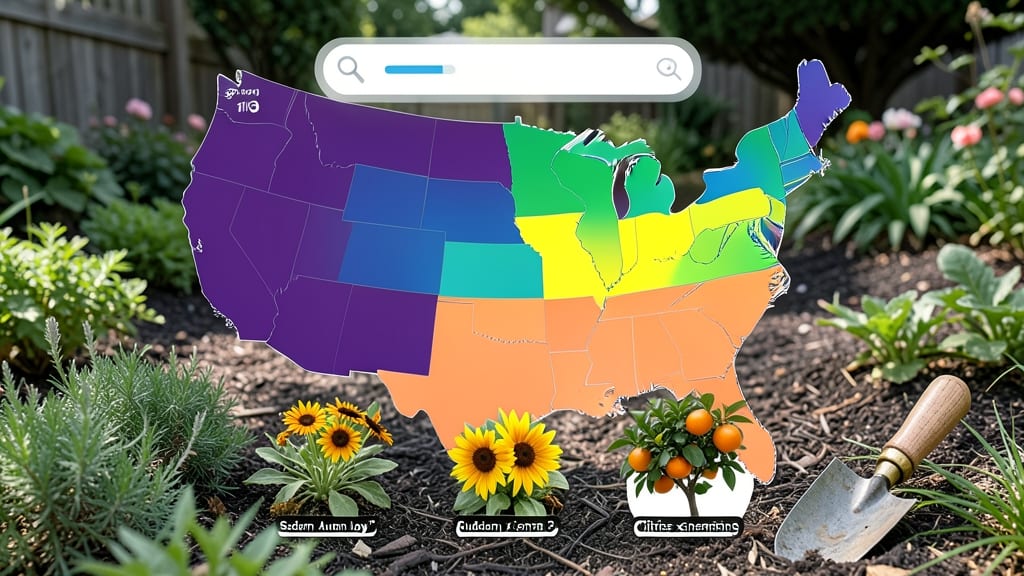
To find gardening zones by zip, use the USDA Plant Hardiness Zone Map to identify your specific climate zone number, which directly impacts which plants will grow successfully in your area. Simply enter your ZIP code on the official USDA website or mobile app for precise results.
Understanding your gardening zones by zip is all about matching plants to your local climate conditions. The USDA map divides the country into 13 zones based on average annual minimum temperatures, with each zone further split into "a" and "b" subzones representing a 5°F difference.
For example, if you're in zone 7a, you can grow plants that survive down to -5°F, while zone 7b extends that range to 0°F. This system helps you avoid costly mistakes like planting tropical flowers in cold climates or frost-sensitive vegetables too early in the season. 🌱
What's fascinating is how these zones shift over time due to climate change. Some areas may find themselves in a warmer zone after just a few years, which means your old gardening guides might need updating.
The USDA updates its map every 10 years to reflect these changes, so always check the current version for the most accurate information. For instance, parts of the Northeast have seen their zones shift from 5a to 6a in recent decades.
The beauty of this system is that it's not just about cold tolerance. Zones also help predict last frost dates, which is crucial for timing your planting schedule.
Many gardeners use their zone number as a starting point before considering local microclimates—like a sunny south-facing wall that might extend your growing season by several weeks. This is why I always recommend verifying your exact zone using the official tools rather than relying on outdated paper maps.
💡 In This Article
- How USDA Plant Hardiness Zones Determine Plant Survival
- Step-by-Step Guide to Look Up Your Zone by ZIP Code
How USDA plant hardiness zones determine plant survival
The USDA Plant Hardiness Zone Map divides North America into 13 zones based on the average annual minimum temperature—the coldest temperature plants can survive in your area. Each zone represents a 10°F range, with subzones (a/b) adding 5°F precision.
For example, zone 6a has average winter lows of -10°F to -5°F, while 6b ranges from -5°F to 0°F. This precision matters because a 5°F difference can mean the difference between a thriving tomato plant and a frozen one.
The science behind these zones relies on 30 years of climate data collected by weather stations across the country. These stations measure the coldest temperatures over decades to create reliable averages. What's fascinating is how these zones correlate with last frost dates—a critical factor for gardeners.
Plants like peonies (zone 3-8) or citrus trees (zone 9-11) are selected based on these temperature thresholds. Even a 1°F miscalculation can mean the difference between a successful harvest and plant death during unexpected cold snaps.
Microclimates add another layer of complexity. While your ZIP code might place you in zone 7a, a south-facing slope could create a microclimate warm enough for zone 8 plants. I've seen gardeners in zone 6 successfully grow lemon trees in protected microclimates where winter temperatures rarely drop below 15°F.
This is why many nurseries ask for your exact planting location—not just your ZIP code. The USDA map accounts for general climate patterns, but local topography, wind exposure, and urban heat islands can create significant variations.
Climate change is causing these zones to shift faster than ever. Since the last USDA map update in 2012, many areas have moved into warmer zones. For instance, parts of New England that were once zone 5b are now experiencing zone 6a conditions.
This shift means plants that once struggled in your area might now thrive. The USDA updates its map every 10 years, but some regions see changes worthy of more frequent adjustments. Always verify your zone using the latest interactive map rather than relying on outdated printed guides.
Understanding these zones helps explain why some plants thrive in your neighbor's garden but fail in yours. A zone 5 garden might successfully grow hardy kale (zone 2-9) but struggle with tender basil (zone 10-11).
The zone system provides a scientific foundation for plant selection, but it's just one piece of the puzzle. Factors like soil quality, sunlight exposure, and water availability also play crucial roles in plant survival—making gardening both a science and an art.
For practical application, think of zones as your gardening's temperature safety net. If you're in zone 7b, you can safely plant vegetables like sweet potatoes (zone 9-11) only if you're prepared to bring them indoors during cold snaps.
The zone system gives you a starting point, but always consider your local conditions and be ready to adapt. 🌱