
Container Gardens
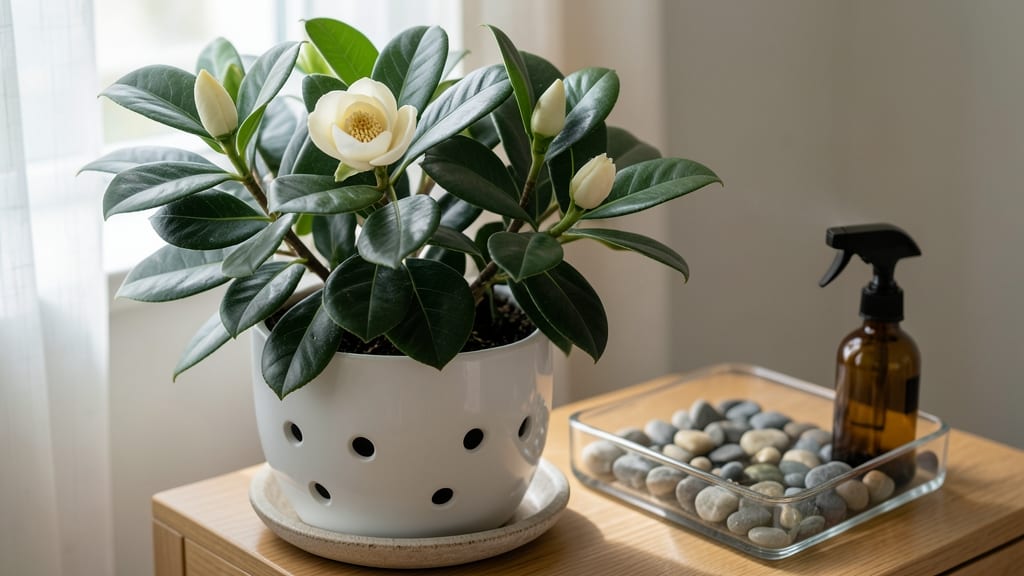
Gardenias can be grown indoors with bright, indirect light, high humidity (60%+), and consistent warmth (65-75°F), though they need careful pruning and regular feeding to thrive in pots.
Gardenias thrive indoors when you mimic their tropical origins. 🌿 The key is replicating their natural environment—think of them as high-maintenance divas that reward patience with fragrant blooms.
I've found that a simple humidifier near the plant or placing the pot on a tray of pebbles with water can work wonders for humidity levels. As for light, east-facing windows provide the perfect balance, while south-facing windows might require sheer curtains to diffuse harsh rays.
The right balance of warmth and moisture keeps these beauties blooming year-round.
What sets gardenias apart is their sensitivity to conditions. Too little light causes leaf drop, while overwatering can lead to root rot—both common mistakes for new indoor gardeners.
I always check soil moisture by sticking my finger an inch deep before watering, and I rotate the pot weekly to ensure even light exposure. This small effort prevents leggy growth and encourages bushier, more productive plants.
💡 In This Article
- Indoor Gardening Conditions for Gardenias
- Step-by-Step Indoor Gardenia Care Guide
Indoor gardening conditions for gardenias
Gardenias originate from tropical regions where they experience consistent warmth, high humidity, and bright but filtered sunlight. These conditions trigger their natural blooming cycles, which is why indoor gardeners must replicate them closely. The plant's leaves contain stomata—tiny pores—that regulate moisture and gas exchange.
In dry indoor air (typical home humidity ranges from 30-50%), these stomata close to conserve water, which stunts growth and prevents bud formation. 🌿 Maintaining humidity above 60% keeps these pores open, allowing optimal photosynthesis and nutrient uptake.
Light is another critical factor because gardenias are photoperiod-sensitive—they need 12-14 hours of bright, indirect light daily to stimulate flowering. North or east-facing windows provide ideal light conditions, while south-facing windows can scorch leaves if unfiltered.
The plant's chlorophyll absorbs blue and red light wavelengths most efficiently, which is why artificial grow lights (10,000-15,000 lux) work well if natural light is insufficient. Too little light causes leaves to yellow and drop, while too much direct sun leads to brown patches.
Temperature plays a subtle but vital role in gardenia health. These plants thrive in 65-75°F ranges, mimicking their native tropical climates. Below 60°F, metabolic processes slow down, causing buds to drop before opening. Above 80°F, the plant becomes stressed, leading to leaf curl and wilting.
I've noticed that consistent warmth (without drafts) encourages steady growth—even a 5°F fluctuation can disrupt blooming cycles. Using a small space heater near the plant (without direct airflow) helps maintain stable temperatures during cooler months.
Root health is directly tied to watering practices. Gardenias prefer slightly acidic soil (pH 5.0-6.5) that drains well to prevent root rot. Overwatering is the #1 killer of indoor gardenias because their roots are sensitive to waterlogged conditions.
The soil should dry out 1-2 inches deep between waterings—this prevents anaerobic bacteria from thriving in saturated roots. I always use room-temperature water to avoid shocking the plant's delicate root system, which absorbs nutrients most efficiently at 70-75°F.
Humidity affects more than just leaf health—it directly impacts blooming. Gardenias release fragrance through specialized cells called osmophores, which require high humidity to function properly.
In dry conditions, these cells become less active, reducing both scent and flower production. 💫 Placing the pot on a humidity tray filled with pebbles and water creates a microclimate that mimics tropical conditions.
For extra insurance, I mist the leaves daily (especially in winter when indoor air is driest), which also helps prevent spider mites—a common pest in low-humidity environments.
Finally, gardenias respond to seasonal changes in their environment. During winter, when natural light decreases, I supplement with a grow light for 4-6 hours daily to maintain the 12-hour light cycle they need.
This consistency prevents the plant from entering dormancy, which would halt blooming entirely. The key is treating your gardenia like a tropical houseplant—consistent conditions lead to consistent results.