
Plants
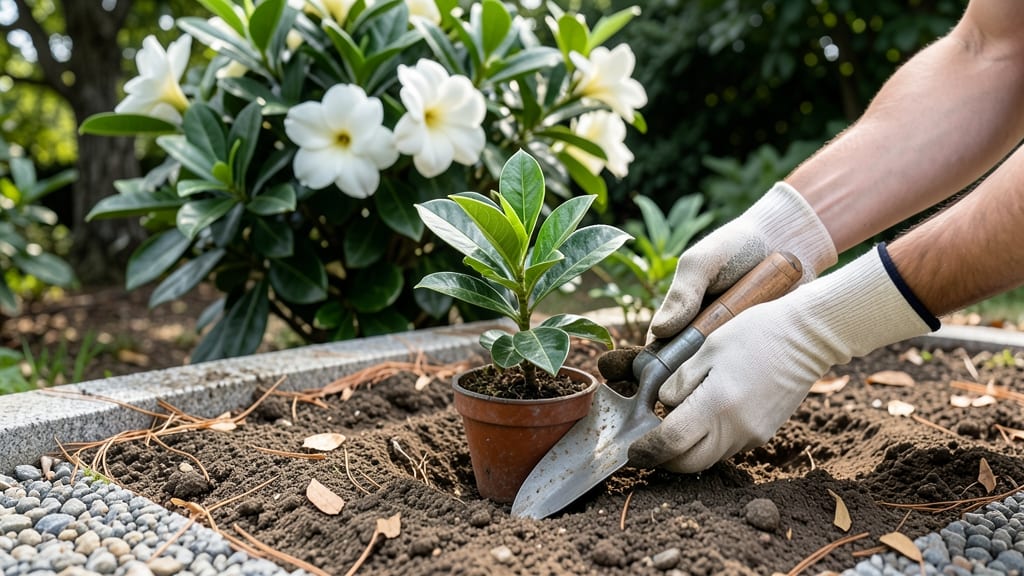
You can plant gardenias outside in USDA zones 7-11, where they flourish with partial shade and well-draining soil. Cold-resistant types like Gardenia jasminoides endure mild winters, though frost-sensitive varieties require winter protection or indoor relocation.
Gardenias thrive outdoors in warmer climates because they're tropical shrubs that prefer consistent warmth and humidity. 🌿 The key is selecting the right variety—some gardenias can handle brief dips into the 30s°F with proper mulching, while others need to be moved indoors before temperatures drop below 50°F.
I've found that container gardening works well for frost-sensitive types, allowing you to bring them inside during winter months. The right soil mix is equally important: these plants demand acidic, well-aerated soil with a pH between 5.0 and 6.5 to prevent root rot and encourage vibrant blooms.
For successful outdoor growth, position your gardenia where it gets morning sunlight and afternoon shade—this prevents leaf scorch while maintaining enough light for flowering. Watering needs are moderate but consistent: aim for about 1-1.5 inches per week, keeping the soil evenly moist but never soggy.
Regular pruning after flowering helps maintain shape and encourages bushier growth. In colder zones, adding a thick layer of mulch around the base protects roots from temperature fluctuations, while wrapping young plants in burlap can shield them from harsh winds.
💡 In This Article
- USDA Zones and Climate Requirements for Outdoor Gardenias
- Optimal Soil, Sunlight, and Year-Round Care for Outdoor Gardenias
USDA zones and climate requirements for outdoor gardenias
Gardenias are tropical shrubs that evolved in warm, humid climates like Southeast Asia, which explains why they thrive in USDA zones 7-11. The critical threshold is 28°F—any colder than this causes irreversible damage to their delicate foliage and blooms.
In zone 7, gardenias can survive brief dips into the 30s°F if protected, while zones 8-11 offer consistent warmth that mimics their native habitat. The humidity factor is equally important: gardenias need at least 50% relative humidity to prevent leaf drop and bud failure.
What sets cold-hardy varieties like Gardenia jasminoides apart is their ability to tolerate temperatures down to 20°F with proper winter care, thanks to thicker leaves and deeper root systems. Tropical types, however, will suffer leaf scorch at 40°F and die back completely in frost.
The science behind this lies in their cellular structure—tropical gardenias lack the protective wax coatings found in cold-hardy plants, making them more vulnerable to frost damage. In coastal areas (like zone 9), ocean breezes raise humidity and moderate temperatures, creating ideal conditions.
Microclimates play a huge role in outdoor success. A gardenia planted against a south-facing wall in zone 7 might survive winters because the wall absorbs and radiates heat, while one in an open, windy area will struggle.
The same plant in zone 10 near a lake benefits from the lake's temperature-stabilizing effect, while inland areas may need extra winter protection. This is why container gardening works so well—you can move pots to sheltered locations during cold snaps or bring them indoors entirely.
Here's what happens when conditions aren't ideal: gardenias stressed by cold or drought produce fewer blooms and may develop yellow leaves (a sign of chlorosis from improper soil pH). In extreme cases, temperatures below 32°F for more than 24 hours will kill the plant entirely.
The good news? Even in marginal zones, gardenias can rebound if roots remain protected. I've seen gardeners in zone 6 successfully overwinter potted gardenias in unheated garages with dramatic results.
For gardeners in zones 5-6, the solution is strategic planting: choose cold-hardy varieties like 'Kleim's Hardy' or grow gardenias in containers that can be moved indoors. The key is timing—bring plants inside before nighttime temperatures drop below 50°F consistently.
This prevents the shock that occurs when roots freeze while leaves remain above ground. In warmer zones, the opposite challenge is heat stress: temperatures above 90°F can cause bud drop, so afternoon shade becomes essential.
Remember that gardenias are not drought-tolerant—they need consistent moisture to thrive. In dry climates (like zone 10b), you might need to water 2-3 times per week during summer months, while zones with more rainfall can reduce this to once weekly.
The soil's ability to retain moisture without becoming waterlogged is the difference between a thriving plant and a struggling one. 🌸