
Fertilization
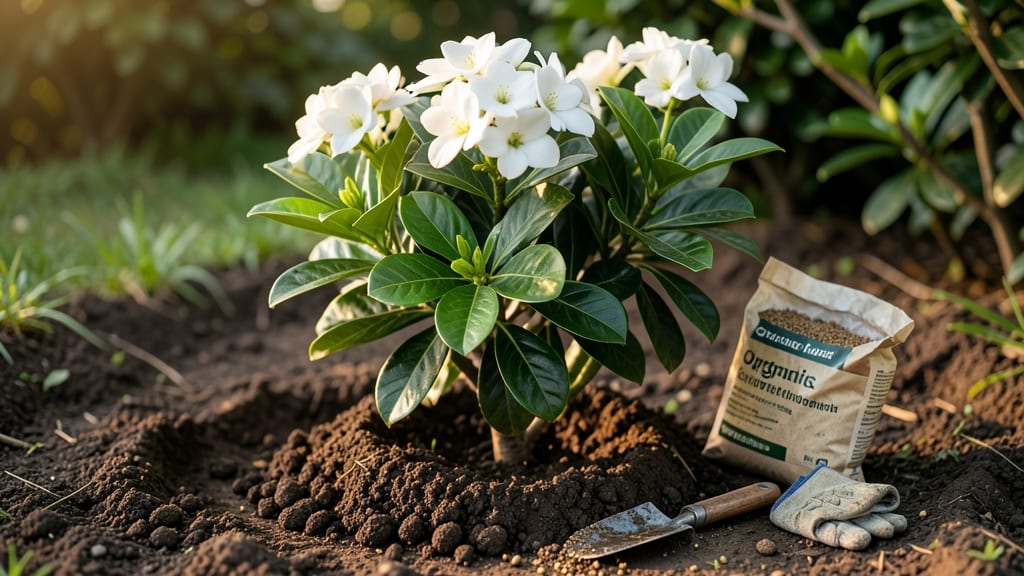
Using coffee grounds for gardenias acidifies the soil, deters pests like slugs, and adds nitrogen—just apply them sparingly as mulch or compost to prevent over-acidification or mold growth.
Gardenias thrive in acidic soil, and coffee grounds are a natural way to lower pH levels while boosting nutrients. 🌿 The grounds release nitrogen as they decompose, which helps feed the plant, but too much can create a soggy, mold-prone environment.
I recommend mixing them into the top inch of soil around the plant's base or sprinkling them lightly as mulch—never piling them directly against the stems. This method also repels slugs and snails, thanks to the caffeine content in the grounds.
For best results, use 1-2 cups of dry coffee grounds per plant every 4-6 weeks during the growing season. If you notice yellowing leaves or a musty smell, flush the soil with water to dilute the acidity.
Pairing coffee grounds with other organic matter like compost or pine needles creates a balanced soil environment that keeps your gardenias blooming beautifully.
💡 In This Article
- How Coffee Grounds Acidify Soil for Gardenias
- Best Ways to Apply Coffee Grounds Without Harming Gardenias
How coffee grounds acidify soil for gardenias
Coffee grounds work as a natural soil acidifier because they contain organic acids like chlorogenic acid and tannins, which gradually lower the pH when they decompose. Gardenias prefer a soil pH between 5.0 and 6.0, and coffee grounds can help achieve this range over time.
When mixed into the soil, these acids break down and release hydrogen ions (H+), which react with soil minerals to create a more acidic environment. This process is similar to how vinegar lowers pH, but coffee grounds provide a slower, more controlled release of acidity.
The nitrogen content in coffee grounds—about 2% by weight—also plays a crucial role. As the grounds decompose, they release ammonia (NH₃) and nitrate (NO₃⁻) into the soil, which gardenias can absorb as a nutrient.
However, too much nitrogen can lead to excessive leaf growth at the expense of flowers, so balance is key. For comparison, pine needles (another acidifier) have minimal nitrogen but take much longer to break down, while peat moss provides acidity quickly but lacks the nutrient boost of coffee grounds.
Over time, coffee grounds improve soil structure by adding organic matter that enhances water retention and aeration. The decomposition process also attracts beneficial microbes that help break down other organic materials in the soil.
However, the acidity effect depends on the type of coffee—dark roasts have slightly less acidity than light roasts due to the roasting process, which reduces some of the natural acids. For gardenias, a mix of both roasts can provide a steady, balanced acidification effect.
One important factor is the speed of decomposition. Fresh coffee grounds break down quickly, releasing nitrogen and acidity within 2-4 weeks, while older, composted grounds take longer but provide a more stable release.
This is why it’s best to use a combination of fresh and partially decomposed grounds—fresh for an immediate nitrogen boost and older grounds for gradual acidification. The texture of coffee grounds also matters; finely ground coffee dissolves faster than coarsely ground, so adjust application based on the grind size.
To visualize the impact, imagine a gardenia plant in slightly alkaline soil (pH 7.0). After applying coffee grounds and watering, the pH drops to 6.0 within 4-6 weeks, creating the ideal environment for root absorption of nutrients like iron and manganese—both essential for vibrant gardenia blooms.
The caffeine in coffee grounds acts as a natural slug deterrent, adding another layer of benefit without harming the plant.
For those concerned about over-acidification, remember that coffee grounds are a mild acidifier compared to chemical amendments like sulfur. A little goes a long way—think of them as a fine-tuning tool rather than a heavy-handed adjustment.
Pairing them with other organic materials like compost or leaf mold creates a balanced soil ecosystem that supports both root health and flower production.