
Fertilization
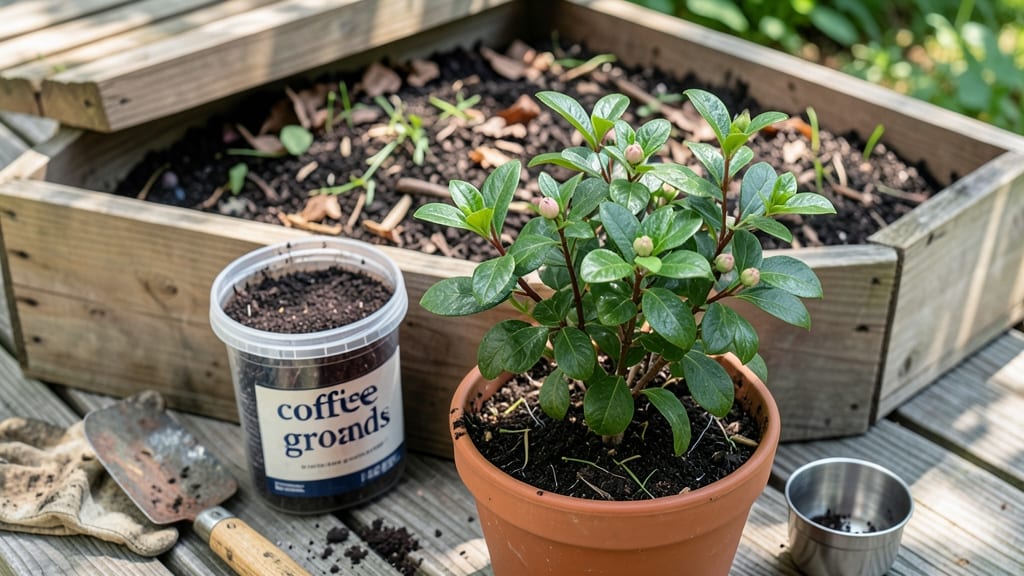
Using coffee grounds in gardening soil enriches the earth with nitrogen, improves drainage, and repels pests while adding organic matter that supports microbial activity and acid-loving plants like blueberries and azaleas. Always use sparingly to avoid over-acidifying the soil.
Coffee grounds work like a natural fertilizer because they decompose slowly, releasing nitrogen over time—this boosts plant growth without burning roots like synthetic fertilizers. 🌱 The gritty texture also improves soil aeration, helping roots breathe better, while the caffeine content acts as a mild pest deterrent.
I've seen firsthand how acid-loving plants like hydrangeas and rhododendrons thrive with this addition, but it's crucial to mix them into the soil rather than just scattering them on top.
What many gardeners overlook is that coffee grounds can actually make the soil too acidic for vegetables like tomatoes or peppers. To balance pH, I recommend mixing in some crushed eggshells or lime.
And if you're using them as mulch, remember they'll break down faster in warm soil—so reapply every few months for consistent benefits.
💡 In This Article
- How Coffee Grounds Enhance Soil Health and Plant Growth
- Best Practices for Using Coffee Grounds in Your Garden
How coffee grounds enhance soil health and plant growth
The real magic happens when coffee grounds decompose—this process releases nitrogen in a slow, steady stream over 2-3 months, feeding plants without the risk of root burn that comes with synthetic fertilizers.
Unlike compost or manure, which provide a broader range of nutrients, coffee grounds act as a targeted nitrogen boost, similar to how a slow-release fertilizer works.
The nitrogen content in used grounds typically sits around 2% by weight, which may seem modest, but when combined with other organic matter in the soil, it creates a perfect environment for microbial activity.
Here's where it gets fascinating: the caffeine in coffee grounds (about 0.05-0.3% by weight) doesn't just repel pests like slugs and ants—it also stimulates beneficial soil microbes. These microorganisms break down the coffee grounds into simpler compounds, creating a network of tiny tunnels that improve soil aeration.
Think of it like installing a drainage system for your plant roots. The gritty texture of the grounds also helps prevent soil compaction, which is especially valuable in heavy clay soils where roots struggle to breathe.
But the pH effect is where things get nuanced. Fresh coffee grounds have a pH of around 6.2-6.8, but as they decompose, they can drop the soil pH to 5.0-6.0—ideal for acid-loving plants like blueberries, azaleas, and gardenias.
For vegetables like tomatoes or peppers, which prefer a neutral pH of 6.0-7.0, you'd need to mix in lime or crushed eggshells to balance the acidity.
This is why I always recommend testing your soil before adding large quantities—most home gardeners don't realize their soil might already be acidic enough.
The comparison to other organic amendments is telling: compost provides a balanced mix of nutrients but lacks the concentrated nitrogen punch of coffee grounds, while manure can be too strong and may require aging before use.
Coffee grounds offer a middle ground—easy to source, nutrient-dense, and less likely to attract pests than fresh manure. The key difference is their slow-release nature, which prevents nutrient runoff that can harm nearby waterways.
For visual learners, imagine coffee grounds as tiny sponges that soak up moisture while gradually releasing nutrients. This dual action helps maintain soil moisture levels, reducing the need for frequent watering. The dark color also absorbs heat, which can be beneficial in cooler climates where soil temperature affects root growth.
However, in hot climates, the heat absorption might require more frequent watering to prevent the soil from drying out too quickly.
What most gardeners don't realize is that coffee grounds also contain trace amounts of phosphorus and potassium—about 0.1-0.2% each—which contribute to overall plant health. While these aren't the primary benefits, they add to the nutritional profile when used consistently.
The combination of nitrogen, improved microbial activity, and better soil structure creates a virtuous cycle that makes plants more resilient to stress and disease.