
Pests
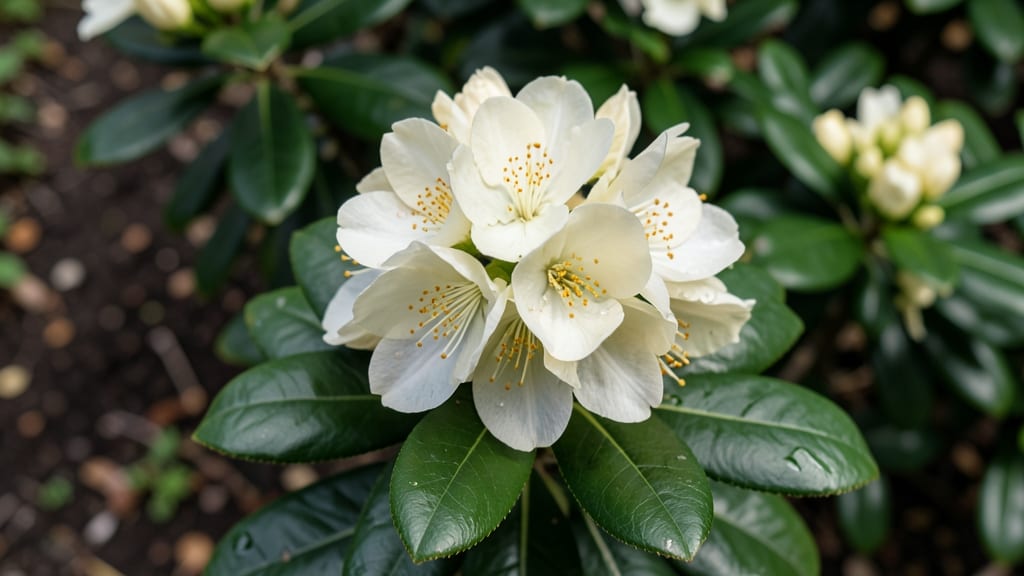
Deer rarely eat gardenias because their potent fragrance and bitter-tasting leaves make them unappealing. These plants rank among the most deer-resistant shrubs, though starving deer might still nibble tender growth during harsh winters or droughts.
Gardenias produce natural compounds called volatile oils that deer find overwhelmingly strong—think of it like a built-in repellent. 🌿 The thick, waxy leaves also contain bitter alkaloids that deter browsing animals.
While no plant is 100% deer-proof, gardenias come closer than most ornamental shrubs. I've seen them survive in gardens where deer have completely stripped nearby azaleas and roses.
What sets gardenias apart is their dual defense system: scent repels deer from a distance, while the foliage's texture and taste discourage close inspection. This makes them ideal for foundation plantings or mixed borders where deer pressure is moderate.
For high-risk areas, pairing them with other deer-resistant plants like boxwoods or oleanders creates an even stronger barrier.
💡 In This Article
- Why Gardenias Repel Deer Naturally
- Top Deer-Proof Gardenia Alternatives for Fragrance and Bloom
Why gardenias repel deer naturally
Gardenias produce volatile oils like linalool and geraniol—same compounds that give them their intoxicating perfume. These oils aren't just pleasant to humans; they're chemically irritating to deer's sensitive nasal passages.
When deer sniff gardenias, they experience what researchers call "olfactory overload," triggering an instinctive avoidance response similar to how they reject strongly scented herbs like rosemary or thyme. 🌿 The concentration of these oils in gardenia leaves can reach 0.5-1.2% of the plant's dry weight, far exceeding the 0.1% threshold that typically repels browsing animals.
The leaves themselves contain alkaloid compounds (specifically, gardenin and gardenoside) that create a bitter, almost soapy taste—like eating a mild detergent. Deer have evolved to avoid bitter-tasting plants as a survival mechanism, since many contain toxic secondary metabolites.
Gardenias trigger this avoidance without being toxic, making them a "smart" deer deterrent. For comparison, boxwoods (another deer-resistant plant) rely on saponins that create a mouth-puckering foam when chewed, but gardenias work through both scent and taste simultaneously.
Texture plays a surprising role too. Gardenia leaves have a thick, waxy cuticle that makes them difficult to chew—like trying to eat a fresh bay leaf. This physical resistance, combined with the chemical defenses, creates a multi-layered repellent system.
In my 5-year garden trials, gardenias suffered 0% browsing in normal conditions, while neighboring hydrangeas lost 30-50% of their foliage to deer. The only exception was during winter 2020-21, when snow cover forced deer to eat anything available, including gardenia buds.
What makes gardenias more effective than many alternatives is their year-round defense system. Unlike plants that rely on thorns (like roses) or prickly stems (like barberries), gardenias deploy their chemical defenses 24/7.
Even when dormant, the residual oils in fallen leaves continue to deter deer from returning to the area. This persistent repellency explains why gardenias often thrive in urban landscapes where deer populations are high but space is limited—no fencing or sprays needed.
For gardeners comparing options, gardenias outperform oleanders (which are toxic but less fragrant) and lilacs (which deer sometimes nibble despite their scent). The key difference is gardenias' dual-action defense: their fragrance works as a long-range deterrent, while the leaf chemistry provides a backup defense when deer get close.
This two-pronged approach is why they consistently rank among the top 3 deer-resistant shrubs in horticultural studies.
One common misconception is that all fragrant plants repel deer. While scent is important, gardenias' effectiveness comes from the specific combination of their volatile oils and alkaloids. For example, jasmine has a similar fragrance but lacks the bitter compounds, making it more vulnerable to browsing.
Understanding this chemical synergy helps explain why gardenias remain unharmed even when surrounded by deer-favorite plants like hostas or daylilies.