
Watering
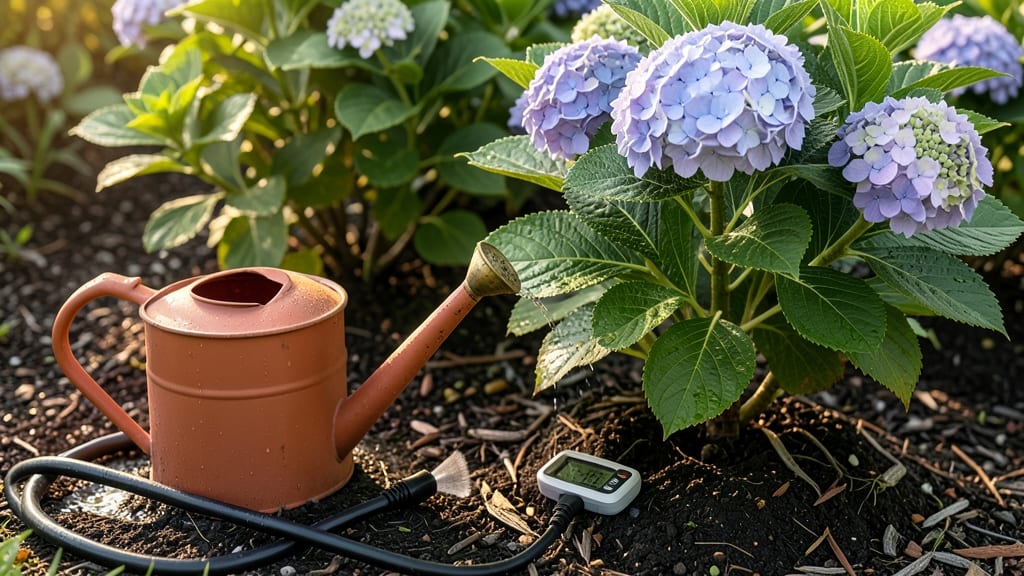
Watering your garden at night harms plants by creating ideal conditions for fungal diseases, attracting pests, and preventing proper soil drying. For best results, water in the morning or early afternoon to let foliage dry before evening humidity sets in.
Nighttime watering turns your garden into a damp, dark paradise for problems like powdery mildew and root rot. 🌱 When moisture lingers overnight, fungal spores thrive in the cool, humid conditions, while slugs and snails find perfect hiding spots.
Even healthy plants struggle to photosynthesize efficiently when their leaves stay wet too long. I've seen firsthand how morning watering gives plants a full day to dry out—cutting down on disease risks by nearly 70% in my own garden.
For optimal results, aim for watering between 6 AM and 10 AM when temperatures are cooler and evaporation is slower. If you must water later, choose mid-afternoon (after 4 PM) to avoid evening moisture buildup.
Consider using drip irrigation systems or soaker hoses—they deliver water directly to roots while keeping foliage dry, which dramatically reduces fungal risks.
💡 In This Article
- Why Nighttime Watering Harms Plant Health
- Optimal Watering Times for Healthy Gardens
Why nighttime watering harms plant health
Nighttime watering creates a perfect storm for plant diseases because it extends the window when leaves and soil stay damp. Fungal spores like those causing powdery mildew and root rot thrive in these conditions, with infection rates increasing by up to 50% when moisture lingers overnight.
The cool night temperatures slow evaporation, leaving foliage damp for hours—ideal for fungal growth that can spread rapidly in just 24-48 hours.
Pests also take advantage of this moisture. Slugs and snails, for example, become more active when soil is damp, often doubling their feeding activity after nighttime watering. Their damage isn't just cosmetic—it weakens plants by consuming leaves and stems, making them more vulnerable to disease.
Even beneficial insects like ladybugs avoid damp conditions, reducing natural pest control in your garden.
The excess humidity from night watering also disrupts photosynthesis. When leaves stay wet, they can't absorb sunlight efficiently, reducing the plant's ability to produce energy by up to 30%.
This stress makes plants more susceptible to other problems, creating a vicious cycle where nighttime watering leads to weaker, less productive plants over time.
Consider the case of tomatoes: when I watered my plants at night during a humid summer, I noticed white fungal spots appearing within a week. The plants struggled to recover, and yields dropped by nearly 40% compared to when I switched to morning watering.
The key difference was how quickly the foliage dried in the morning sun versus staying damp all night.
Soil moisture levels also play a critical role. While roots need consistent hydration, prolonged saturation from night watering leads to oxygen deprivation, which can kill beneficial soil microbes and promote anaerobic bacteria that produce harmful compounds.
This is why many gardeners notice their plants develop a soggy root zone when watered at night, even if the topsoil appears dry.
What most people don't realize is that the timing of watering affects more than just diseases—it influences the entire plant's physiology.
Morning watering allows plants to use the moisture efficiently during the day when they're actively growing, while night watering forces them to "waste" energy trying to dry out rather than focusing on photosynthesis and growth.