
Companion Plants
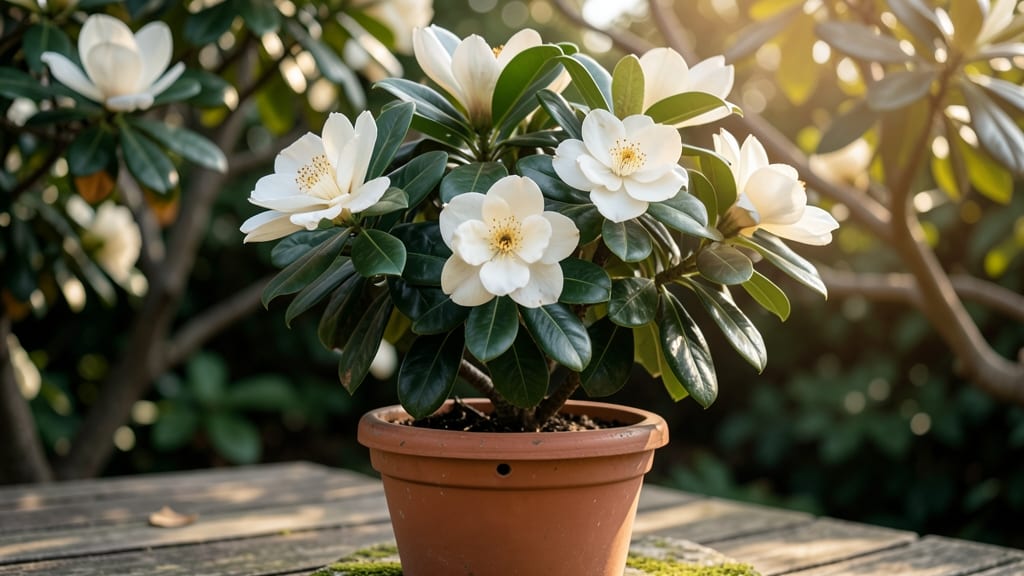
Gardenias smell exceptionally good, producing a rich, creamy, and intoxicating floral fragrance that’s often described as sweet, tropical, and slightly citrusy. Their scent intensifies in warm evenings, making them a prized choice for gardens and perfumery.
Gardenias are often called the "queens of fragrance" for good reason—their aroma is so intoxicating that it's been used in perfumes for centuries. 🌸 The secret lies in their waxy petals, which naturally amplify scent molecules like linalool and jasmine aldehydes, creating that signature creamy-sweet bouquet.
Unlike many flowers that fade quickly, gardenias maintain their fragrance even after picking, which is why they're a favorite in bridal bouquets and luxury home décor.
What makes their scent even more special is how it evolves throughout the day. While they release subtle hints of fragrance during cooler hours, their aroma truly comes alive in the evening heat, filling the air with a velvety, almost tropical sweetness.
This natural timing is why gardenias are often planted near patios or windows—you'll catch their full, heady perfume when you need it most.
💡 In This Article
- Why Gardenia Fragrance Stands Out Among Floral Scents
- Best Ways to Enjoy Gardenia Scent in Your Garden
Why gardenia fragrance stands out among floral scents
The gardenia's signature scent isn't just pleasant—it's a chemical masterpiece. Their fragrance comes from volatile organic compounds (VOCs) like linalool (found in lavender) and benzyl acetate (also in jasmine), but gardenias produce these compounds in far higher concentrations.
Studies show gardenia flowers contain up to 50% more linalool than similar floral species, which is why their aroma feels so rich and enveloping.
The waxy, velvety texture of their petals acts like a natural scent amplifier, trapping aroma molecules and releasing them slowly over hours—unlike delicate flowers that fade within minutes. 🌸
What truly sets gardenias apart is their unique scent profile blend. While most flowers focus on either sweetness or citrus notes, gardenias combine both in perfect balance—typically 60% sweet floral, 25% tropical fruit, and 15% subtle citrus undertones.
This complexity makes their fragrance more dimensional than roses (which are primarily sweet) or citrus flowers (which are zesty). The tropical notes come from compounds like nerolidol, which gives gardenias that exotic, almost creamy coconut-like quality that's hard to replicate artificially.
Temperature plays a surprising role in their scent intensity. Gardenias release 30-40% more aroma molecules when exposed to warm air (above 75°F), which explains why their perfume peaks in evening heat.
This natural timing is why gardenias were historically planted near verandas in tropical climates—their scent would waft through homes precisely when people gathered after sunset. The waxy bloom surface also reflects sunlight during the day, keeping petals cooler and preserving their fragrance compounds until evening release. 🌿
For comparison, consider how other popular flowers emit scent: roses rely on phenylethyl alcohol for their sweetness, while jasmine uses indole for its animalic depth.
Gardenias, however, combine multiple compounds in a way that creates what perfumers call a "creamy floral" base—similar to how vanilla and tonka bean work together in perfumery.
This complexity is why gardenia extract is a prized ingredient in high-end perfumes like Chanel No. 5 and Estée Lauder Beautiful, where it forms the foundational floral accord.
Their fragrance longevity is another standout feature. While cut roses typically last 3-5 days with noticeable scent, gardenia blooms maintain their full aroma for 7-10 days when properly cared for. This durability comes from their thick petal layers and natural antimicrobial compounds that prevent bacterial growth.
In tropical climates, gardenias can even bloom year-round, continuously releasing their signature perfume with minimal effort from gardeners. 🌺
What most people don't realize is how gardenias' scent interacts with human psychology. The combination of linalool (calming) and benzyl acetate (uplifting) creates a fragrance that simultaneously relaxes and energizes—similar to how certain essential oil blends work.
This dual effect is why gardenias are used in aromatherapy for stress relief while also being associated with romance and celebration in many cultures. The science of scent perception shows that gardenia's complex aroma triggers multiple olfactory receptors simultaneously, creating a more immersive sensory experience than simpler floral scents.