
Light Requirements
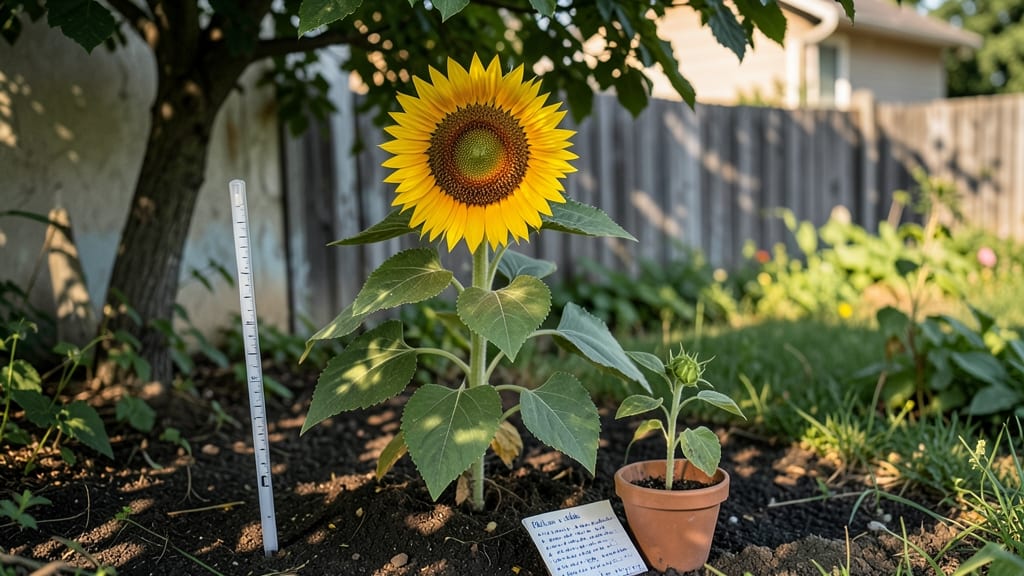
Gardens don’t always need full sun—light requirements vary dramatically by plant type, with some thriving in shade (hostas, ferns) while others (tomatoes, lavender) demand 6+ hours of direct sunlight daily. Matching plants to their ideal light conditions maximizes growth and yield.
Not all plants crave blazing sunlight—some actually prefer filtered light or even dappled shade to thrive. 🌿 The key lies in understanding how different species process energy: sun-loving varieties like peppers and rosemary need intense light to fuel photosynthesis, while shade-tolerant plants such as astilbe or Japanese forest grass adapt by growing slower but developing deeper root systems.
Even in partial shade, you can create lush gardens by choosing the right companions—just avoid pairing sun-seekers with their low-light counterparts.
For example, a northern garden might prioritize ferns and hellebores in woodland areas, while southern yards could tuck impatiens under mature trees. Container gardening offers extra flexibility, letting you move plants seasonally to optimize their light exposure.
The secret isn't more sun—it's matching each plant's natural habitat to where it grows best.
💡 In This Article
- How Sunlight Affects Plant Growth and Survival
- Best Shade-Tolerant Plants for Low-Light Gardens
How sunlight affects plant growth and survival
Sunlight drives photosynthesis—the process where plants convert light energy into chemical energy (glucose) using chlorophyll. Full sun (6+ hours of direct light) maximizes this process, but too much can cause photooxidative stress, where excess light damages leaf cells.
For example, tomatoes exposed to 10+ hours of sun often develop sunburned patches or bitter-tasting fruit, while lavender thrives under these conditions.
The key lies in a plant's photosynthetic efficiency: sun-lovers like succulents have thicker cuticles to reflect excess light, while shade plants like hostas have larger, thinner leaves to capture diffused light.
Light intensity also affects plant morphology. In low light, plants grow taller and leggier as they stretch toward available light—a phenomenon called etiolation. This weakens stems and reduces chlorophyll production, turning leaves pale.
Conversely, full sun triggers compound leaf development in plants like parsley, where leaves grow in intricate patterns to maximize light absorption. 🌱 The trade-off? Shade plants often develop deeper root systems to access nutrients in dimmer environments, while sun plants prioritize above-ground growth for rapid energy capture.
Temperature compounds these effects. In hot climates, partial shade (3-6 hours of sun) protects plants from heat stress, while in cooler regions, full sun may be essential for flowering. For instance, daylilies tolerate full sun in Zone 5 but may need afternoon shade in Zone 8.
The light-to-temperature ratio determines whether a plant thrives or wilts—this is why tropical shade plants (like caladiums) struggle in full sun, even if they receive adequate water.
Soil moisture plays a hidden role too. Shade plants often have higher moisture needs because their roots can't evaporate water as efficiently in low light. This is why mulching (adding 2-3 inches of organic matter) is critical—it retains moisture and regulates soil temperature.
In contrast, sun plants like rosemary have adapted to dry conditions by developing water-storing tissues, making them drought-tolerant once established.
Here’s how to spot light stress in your garden:
- Leaf scorch: Brown, crispy edges on leaves (common in sun plants like hydrangeas)
- Pale or yellow leaves: Indicates insufficient light for photosynthesis
- Stunted growth: Leggy stems or small leaves signal light deprivation
- Fewer flowers: Many bloomers (e.g., impatiens) need shade to conserve energy for flowering
Understanding these cues lets you adjust plant placement without overhauling your garden. For example, moving a struggling coleus (which needs bright, indirect light) from a south-facing window to an east-facing spot can revive its vibrant foliage.
The goal isn’t to force full sun—it’s to match each plant’s evolutionary adaptations to its growing conditions. 🌿