
Tools
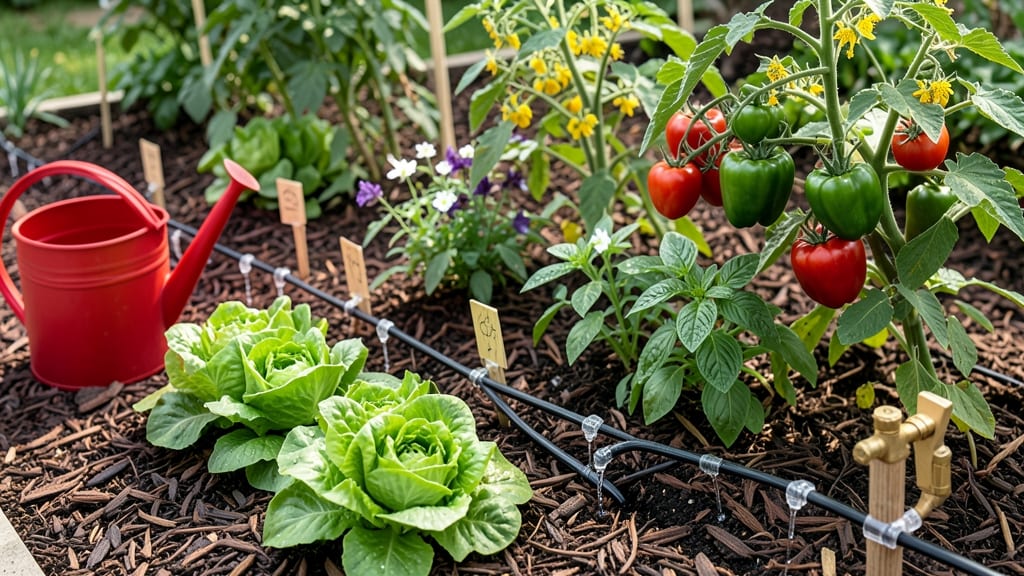
A DIY garden watering system automates irrigation using simple materials like PVC pipes, drip tape, or repurposed bottles to save money and time. Choose gravity-fed, drip irrigation, or sprinkler setups based on your garden size and plant needs.
A DIY garden watering system transforms your gardening routine by reducing manual effort while keeping plants thriving. 🌱 The beauty of these setups is their adaptability—whether you have a small herb garden or sprawling flower beds, you can customize the system to match your space.
For instance, a gravity-fed setup using repurposed bottles works perfectly for container plants, while drip irrigation with soaker hoses delivers precise moisture to vegetable gardens without waste. The key advantage is water conservation, as these methods target plant roots directly rather than spraying water that evaporates or runs off.
Beyond saving time, these systems also cut long-term costs by eliminating the need for expensive irrigation equipment. 💰 Start with basic materials like PVC pipes or 2-liter soda bottles—both are budget-friendly and easy to assemble.
For larger gardens, consider adding a timer to automate watering schedules, ensuring your plants get consistent care even when you're away. The best part? You can expand or modify your system as your garden grows, making it a truly flexible solution.
💡 In This Article
- How Gravity-Fed and Drip Irrigation Systems Work
- DIY Garden Watering System Materials and Cost Breakdowns
How gravity-fed and drip irrigation systems work
Gravity-fed systems rely on simple physics: water flows downward due to gravity, creating a steady, low-pressure stream. When you elevate a container—like a 5-gallon bucket—above your plants, the water exits through holes or a spigot at a controlled rate.
This method mimics natural rainfall by delivering moisture directly to the soil surface, reducing evaporation. For example, a 2-liter bottle with pinholes punched near the cap can water a small pot for 2-3 days with just 1 inch of water per day, perfect for herbs or seedlings.
Drip irrigation takes efficiency further by using soaker hoses or drip tape to deliver water slowly and precisely at the plant's base. These systems leverage capillary action, where water moves through tiny pores in the hose material or soil, ensuring even distribution.
A ¼-inch soaker hose can water 10-15 feet of garden bed with just 1-2 gallons per hour, cutting water use by up to 50% compared to sprinklers. The slow, targeted flow also prevents soil erosion and fungal growth caused by wet foliage.
Why do these methods outperform traditional sprinklers? Sprinklers lose 30-50% of water to evaporation and wind drift, especially in hot climates. Drip systems, however, deliver water directly to roots where plants need it most, reducing waste.
Gravity-fed setups add another layer of efficiency by using minimal energy—no pumps or timers required. For instance, a 10-foot PVC pipe with ¼-inch holes spaced 1 foot apart can water a raised bed for 1-2 hours per cycle, with zero electricity costs.
Plant type dictates the best approach: shallow-rooted plants like lettuce thrive with surface-level watering from bottles, while deep-rooted veggies (tomatoes, peppers) benefit from soaker hoses buried 2-3 inches deep. The key is matching the system to your garden's needs—gravity works for small spaces, while drip excels for larger areas.
For example, a 20-plant herb garden might use 5 repurposed bottles ($0 cost), while a 4x8-foot vegetable bed could need a 50-foot soaker hose ($20-$30).
Consider the science: drip emitters release water at 0.5-2 gallons per hour, mimicking natural rainfall rates. This slow release prevents runoff and encourages deeper root growth, as plants develop stronger systems searching for moisture.
In contrast, sprinklers create a shallow watering pattern, promoting weak, surface roots. For instance, tomatoes watered with drip systems often produce 20-30% more fruit due to consistent moisture at the root zone.
Seasonal adjustments matter too. In summer, increase watering frequency but reduce volume per cycle to prevent runoff. In winter, reduce flow to avoid over-saturation.
A gravity-fed system with a float valve (like those in toilets) can even maintain steady water levels, while drip systems benefit from a pressure regulator to prevent clogging from sediment. 💧