
Size
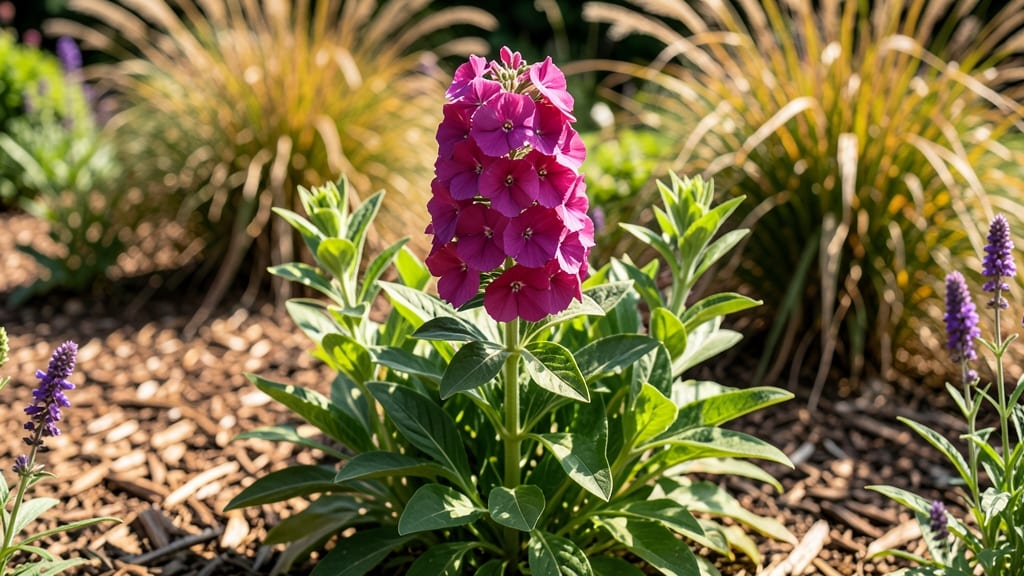
Tall garden phlox does spread slowly through underground rhizomes, typically expanding 12 to 18 inches per year. Its clumping growth habit makes it ideal for borders, though occasional division prevents overcrowding in small spaces.
Tall garden phlox's gradual spread is what makes it such a reliable border plant. 🌿 Unlike aggressive spreaders, its rhizome system expands at a predictable pace, giving gardeners plenty of time to manage its growth.
The key to controlling it lies in understanding its natural clumping behavior—once established, it forms dense clusters that fill space without invading neighboring plants. I've found that spacing them 18 to 24 inches apart at planting gives them room to mature without needing early division.
What really sets phlox apart is how its growth responds to care. Well-drained soil and full sun encourage that steady 12-18 inch annual spread, while regular watering keeps the rhizomes active. The trade-off? In tight spaces, you'll need to divide every 3-4 years to maintain that lush, healthy look.
The good news is that even divided clumps take root quickly, making it easy to propagate new plants for other areas of your garden.
💡 In This Article
- How Tall Garden Phlox Expands: Rhizome Growth Explained
- Managing Tall Garden Phlox in Limited Spaces
How tall garden phlox expands: rhizome growth explained
Tall garden phlox spreads primarily through horizontal rhizomes—thick, fleshy roots that grow just below the soil surface. These rhizomes store nutrients and produce shoots at nodes along their length, creating new growth points.
Unlike fibrous root systems, phlox rhizomes grow outward in a predictable pattern, typically expanding 12-18 inches annually under ideal conditions.
This gradual spread contrasts with aggressive spreaders like mint (which can expand 3-5 feet per year) but is more controlled than clumping perennials like hostas, which rarely spread at all.
The growth rate depends heavily on three factors: sunlight, soil quality, and moisture. Phlox thrives in full sun (6+ hours daily), where it develops stronger rhizomes and more vigorous top growth. In partial shade, spread slows to 6-12 inches per year as the plant conserves energy.
Soil drainage is critical—waterlogged conditions cause rhizomes to rot, while well-drained, slightly acidic soil (pH 6.0-7.0) encourages steady expansion. The rhizomes themselves are 2-3 inches thick and can live for decades, making established plants remarkably long-lived.
What's fascinating is how phlox's rhizome system affects its stability. The horizontal roots create a natural anchor, preventing the plant from flopping in wind or rain. This structural advantage makes tall phlox ideal for slopes and borders where other perennials might struggle.
The clumping habit also means each plant maintains its own identity—unlike runners (which send out long stems), phlox doesn't form dense mats but instead creates neat, rounded clusters that fill space elegantly over time.
Seasonal growth patterns further explain phlox's behavior. Rhizomes remain dormant in winter but begin expanding in early spring as temperatures rise above 50°F. The most active growth occurs in late spring to early summer, when the plant focuses energy on both flowering and root expansion.
By late summer, growth slows as the plant prepares for dormancy, which is why dividing or transplanting in early spring yields the best results—you're working with actively growing rhizomes.
Here's how phlox compares to other popular perennials:
- Daylilies: Spread aggressively via rhizomes (3-4 feet per year) but require more frequent division
- Coneflowers: Clump slowly (6-12 inches per year) with fibrous roots, rarely needing division
- Black-eyed Susans: Spread moderately (12-18 inches per year) but produce more self-seeding than phlox
The predictable nature of phlox's spread makes it a gardener's favorite for creating natural-looking borders without the maintenance headaches of more aggressive plants. 🌿