
Tools
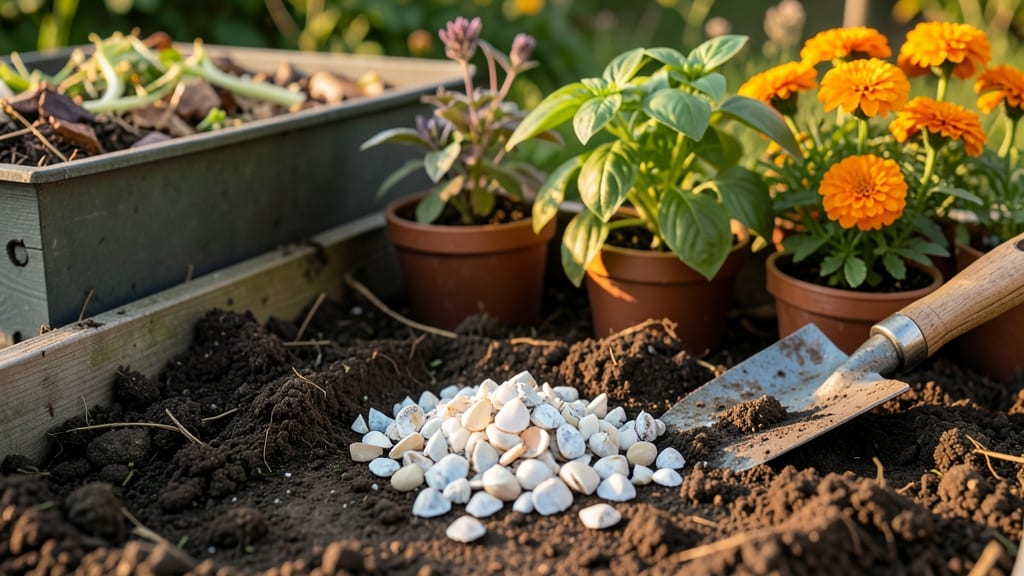
Incorporating egg shells in garden enhances soil quality by providing natural calcium, repels pests like slugs, and decomposes to boost plant vitality over time. Rinse, dry, and crush shells before mixing into soil or placing near plants.
Eggshells are a gardener's secret weapon because they release calcium carbonate slowly into the soil, which helps neutralize acidic conditions and prevents common plant ailments like blossom-end rot in tomatoes. 🌱 The sharp edges of crushed shells also create a natural barrier that deters slugs and snails, while the composting process enriches soil with essential micronutrients.
I've found that sprinkling them around the base of plants in early spring gives seedlings a strong nutritional foundation for the growing season.
Beyond calcium benefits, eggshells offer practical solutions for common garden challenges. For instance, blending them into compost piles speeds up decomposition, while burying them near root zones improves overall soil structure. The key is proper preparation—always rinse and bake shells to eliminate any residual food particles that could attract pests.
This method works particularly well for container gardens where soil nutrients deplete quickly.
What's interesting is how versatile eggshells are—they can even be used as biodegradable seed-starting pots! Just cut egg cartons into individual cups, fill with soil, and plant seeds directly.
When it's time to transplant, the shells will break down naturally in the soil. This dual-purpose approach makes eggshells one of the most economical and sustainable garden amendments available.
💡 In This Article
- How Eggshells Improve Soil and Plant Health
- Practical Eggshell Garden Hacks Beyond Calcium
How eggshells improve soil and plant health
Eggshells are primarily composed of calcium carbonate, a compound that slowly dissolves in soil to release essential calcium ions. This process helps balance soil pH, particularly in acidic conditions where plants struggle to absorb nutrients.
For example, tomatoes and peppers often suffer from blossom-end rot—a condition caused by calcium deficiency—when soil pH drops below 6.0. The calcium from eggshells acts like a slow-release fertilizer, ensuring plants receive a steady supply over 3-6 months depending on soil moisture.
The breakdown process begins when microbial activity in the soil converts calcium carbonate into calcium bicarbonate, which plants can readily absorb through their roots. This transformation also introduces trace minerals like magnesium and phosphorus, which improve overall plant vitality.
Unlike synthetic fertilizers, eggshells provide these benefits without risking chemical runoff or soil saturation. 🌱 The porous nature of crushed shells also enhances soil aeration, creating tiny air pockets that encourage beneficial microbial growth.
One of the most noticeable benefits occurs in container gardens, where nutrient depletion happens faster due to limited soil volume. Adding 1-2 tablespoons of crushed eggshells per gallon of potting mix can prevent nutrient deficiencies in leafy greens and herbs.
For instance, basil plants often show improved leaf strength and resistance to fungal diseases when grown in soil amended with eggshells. The key is consistency—applying them every 4-6 weeks during the growing season maintains optimal calcium levels.
While eggshells primarily benefit plants through calcium, their slow-release nature makes them ideal for long-term soil health. Unlike quick-acting fertilizers that cause spikes in nutrient availability, eggshells provide a gradual, steady supply that aligns with plant growth cycles.
This method is particularly effective for calcium-loving plants like broccoli, cabbage, and Brussels sprouts, which require 100-200 mg of calcium per kilogram of plant tissue for proper development.
For best results, crush eggshells into pieces no larger than 1/8-inch to maximize surface area for microbial interaction. Bury them 1-2 inches deep in the soil to prevent them from floating to the surface during watering.
This placement ensures they remain in contact with moisture, which is crucial for the chemical breakdown process. Over time, you'll notice healthier foliage, stronger stems, and increased resistance to common plant diseases.
What most gardeners don't realize is that eggshells also help prevent soil compaction. The rigid structure of calcium carbonate creates small voids in the soil that improve drainage while maintaining moisture retention. This dual benefit is especially valuable in clay-heavy soils, where poor drainage often leads to root rot.
By incorporating eggshells, you're essentially building a more resilient soil ecosystem that supports plant health both above and below ground. 💫