Vegetables
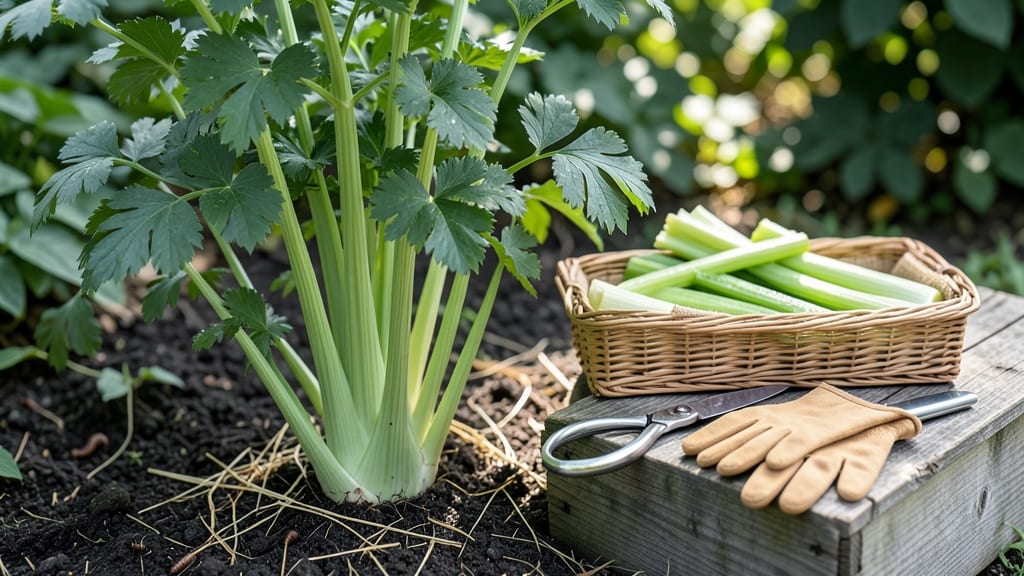
Harvesting garden celery at the right time means crisp stalks that snap easily and leaves staying bright green—no wilting or tough fibers in sight.
If your celery stems snap effortlessly while the leaves remain vibrant, you’re not dealing with a problem—you’re witnessing the perfect sign of a mature, harvest-ready crop. But timing and technique still matter to maximize yield and flavor.
Too early, and you get thin, bitter stalks. Too late, and the texture turns woody. The key is catching that 12- to 14-inch mark when the stalks feel firm and the base is about an inch thick—just right for salads, soups, or storage.
Below, I’ll walk you through how to tell when it’s time, the best way to cut without damaging future growth, and simple tricks to keep your harvest fresh for weeks.
When to harvest garden celery for maximum flavor and texture
Harvesting garden celery at the right moment ensures crisp texture and bold flavor. Unlike store-bought varieties, homegrown celery develops sweeter, more tender stalks when picked at peak maturity. The key lies in three visual cues: stem thickness, leaf vitality, and structural integrity.
Ignoring these signs often leads to harvests that are either too fibrous or lacking in sweetness.
Celery thrives in cool-season gardens and typically reaches harvest readiness between 120-150 days after planting. However, days-to-maturity varies by variety—Golden Self-Blanching matures faster than Utah or Tall Utah types.
Always check your seed packet for specific guidelines, as some heirloom varieties may take up to 180 days to reach ideal harvest size.
| Harvest Indicator | Description | Action Required |
|---|---|---|
| Stem Thickness | Base diameter of 1 inch or thicker | Use calipers or compare to a pencil |
| Leaf Color | Vibrant green without yellowing | Check inner leaves for uniformity |
| Stem Snap Test | Stalks bend but don't break cleanly | Grasp near base and flex gently |
| Stalk Height | 12-18 inches tall | Measure from soil level |
| Leaf Density | Tightly packed 10+ leaves per stalk | Count outer leaves for accuracy |
Don't rely solely on days-to-maturity when determining harvest time. Environmental factors like temperature fluctuations and soil moisture significantly impact celery development. For example, hot summer days above 85°F can cause stalks to mature faster but with tougher fibers.
Conversely, cool spring temperatures may delay harvest by 2-3 weeks while improving sweetness.
Test celery readiness without damaging the plant using the snap test. Gently grasp a stalk near its base and bend it sideways. If it snaps cleanly with a slight crackling sound, your celery is perfect for harvest.
Avoid pulling stalks—this can uproot the entire plant. Instead, use a sharp knife or pruning shears to cut just above the soil line at a 45-degree angle for cleaner regrowth.
The leaf color provides crucial information about celery maturity. Healthy, ready-to-harvest celery features deep green leaves with no yellowing or browning. Yellowing typically indicates nutrient deficiency or over-maturity, while brown edges suggest water stress.
If you notice these signs, address the underlying issue before harvesting to maintain plant health for future yields.
For continuous harvests, avoid cutting more than one-third of the stalks at once. Celery regrows from its base, but excessive harvesting weakens the plant. Space your harvests 2-3 weeks apart during the growing season.
This staggered approach ensures you enjoy fresh celery while maintaining plant vigor. Always leave at least 6-8 inches of stalk remaining after each harvest.
Harvesting in the morning hours yields the crispiest celery. This timing allows you to pick before the sun intensifies, reducing moisture loss. Immediately after harvesting, store celery in a plastic bag in the refrigerator to maintain freshness.
For long-term storage, trim the leaves and submerge the base in 1 inch of water in a sealed container, changing the water every 3-4 days.
Celery grown in container gardens requires slightly different timing. Container-grown plants often mature 10-14 days faster due to warmer root zones. Monitor these plants daily during their final growth stages.
If you notice stalks reaching harvest size but leaves beginning to yellow, harvest immediately—container-grown celery has a narrower harvest window than in-ground varieties.
Remember that early harvests produce smaller, more tender stalks ideal for salads, while late harvests yield larger, more fibrous stalks better suited for soups and stews. Adjust your harvesting schedule based on your intended use.
For maximum flavor, aim to harvest celery when it's fully mature but before stalks begin to hollow out—this sweet spot delivers the perfect balance of texture and taste.
Step-by-step guide to harvesting celery without damaging future growth
Harvesting celery correctly ensures you enjoy crisp, flavorful stalks while keeping your plants productive for future harvests. The key lies in gentle cutting techniques and proper post-harvest care—both of which I’ve perfected after years of growing celery in my own garden.
When done right, your celery plants can regrow and produce multiple harvests in a single season.
Before you begin, gather your tools: a sharp knife or pruning shears, gardening gloves, and a bucket of cool water for rinsing. Timing matters—harvest in the morning when stalks are firmest and temperatures are mild.
This reduces stress on the plant and preserves flavor. If you’re harvesting in hot weather, do it early or late in the day to avoid wilting.
Step-by-Step Guide
- 1 Select the right stalks: Choose stalks that are 12-14 inches tall with a 1-inch diameter base. Avoid harvesting the smallest or largest stalks first—they’ll regrow more evenly.
- 2 Use clean, sharp tools: Sanitize your knife with rubbing alcohol to prevent disease. Make a clean, diagonal cut about 1 inch above the base to avoid damaging the growing point.
- 3 Handle roots carefully: Gently twist the stalk while pulling upward to avoid uprooting the plant. Leave the outer leaves intact—they protect the regrowing center and provide shade, which prevents bitterness.
- 4 Rinse and store properly: Immediately rinse harvested stalks under cool water to remove dirt. Store in a perforated plastic bag in the fridge for up to 2 weeks—or use them fresh in salads and soups!
- 5 Revitalize the plant: After harvesting, water the base deeply to encourage regrowth. Add a light mulch layer (like straw) to retain moisture and protect roots from temperature swings.
One of my biggest mistakes early on was cutting too close to the base, which left the plant vulnerable to rot. Always leave at least 1 inch of stem to allow new growth.
If your celery plants are in containers, avoid harvesting more than one-third of the stalks at once—this prevents overstressing the roots.
For continuous harvests, space your cuts every 2-3 weeks throughout the growing season. This method works best in warm climates where celery thrives. In cooler regions, focus on a single harvest in early fall before the first frost.
After your final harvest, consider composting the remaining plant material to enrich your soil for next year’s crop.
With these techniques, my celery plants have regrown beautifully, often producing 2-3 harvests per season. The secret? Patience and precision—both of which pay off with crisp, flavorful stalks all summer long. Now grab those shears and get harvesting! 🥬