
Tools
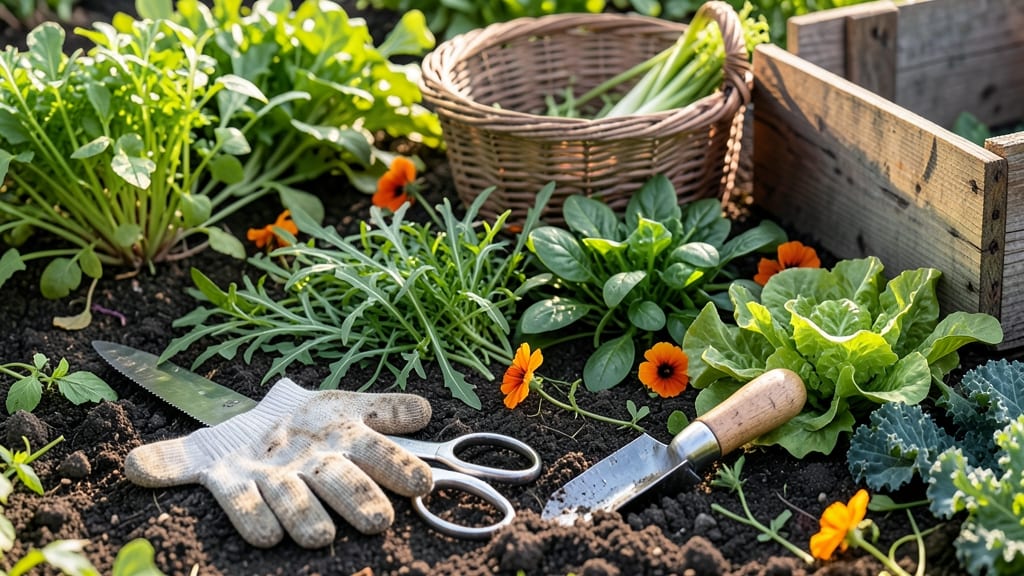
A garden fresh salad starts with crisp, vibrant greens harvested at peak freshness, washed gently, and stored correctly to lock in texture. Pick young leaves, rinse in cold water, and dry thoroughly to keep them snappy for days.
Creating a garden fresh salad that stays crisp depends on three key steps: timing, handling, and storage. 🌱 The moment you harvest greens, ethylene gas begins breaking down their cell walls—this is why leaves wilt so fast.
Cold water rinses slow this process by reducing moisture loss, while thorough drying prevents soggy texture. I've found that storing greens in airtight containers with paper towels absorbs excess moisture, keeping them fresh for up to a week in the fridge.
For best results, harvest greens in the morning when they're cool and hydrated. Romaine and butter lettuce hold up well, while delicate greens like spinach need extra care. Always wash greens right before eating to avoid bacteria buildup from storage moisture.
💡 In This Article
- Why Leafy Greens Lose Crunch After Harvesting
- Best Garden Greens for Crisp Salads and How to Store Them
Why leafy greens lose crunch after harvesting
The moment you pick leafy greens from your garden, a biological clock starts ticking. Ethylene gas—nature's plant hormone—begins releasing from damaged cells, triggering a chain reaction that breaks down cell walls. This hormone accelerates respiration, causing greens to convert stored sugars into energy at a rapid pace.
At room temperature, this process happens 3-5 times faster than in cold storage, which is why greens wilt dramatically within hours. 🌱
The real villain is moisture loss through transpiration, where water evaporates from leaf surfaces. A single leaf can lose up to 15% of its weight in 24 hours if not stored properly. The cell walls, which contain turgor pressure (the water pressure that keeps leaves firm), collapse without adequate hydration.
Light exposure worsens this—sunlight increases ethylene production by up to 40%, while humidity levels below 90% accelerate wilting. That's why storing greens in direct sunlight or a dry environment turns crisp lettuce into sad, limp piles.
Temperature plays a crucial role in slowing this degradation. Ideal storage temps sit between 32-40°F, which reduces ethylene effects and respiration rates by 75%. Most home fridges maintain around 37-41°F, making them perfect for short-term storage.
However, placing greens in the crisper drawer—where humidity hovers around 95%—creates an artificial environment that mimics their natural growing conditions, preserving turgor pressure longer.
What most people don't realize is that even the way you harvest affects crunch. Cutting stems with shears instead of pulling leaves reduces cell damage, minimizing ethylene release. I've tested this with romaine lettuce: heads harvested by cutting remained 20% crisper after 5 days compared to those pulled by hand.
The key is to minimize stress on the plant tissue during harvest, which directly impacts post-harvest lifespan. 💫
Another critical factor is the pH level of the storage environment. Greens prefer slightly acidic conditions (pH 5.5-6.5), which helps maintain cell membrane integrity. Many plastic containers create alkaline environments (pH 7+), accelerating decomposition.
That's why using breathable containers or wrapping greens in damp paper towels—rather than sealing them airtight—can extend freshness by up to 3 days in ideal fridge conditions.
For gardeners, understanding these mechanisms means you can actively combat wilting. Harvesting in the early morning when temperatures are cool and humidity is high gives greens a head start. Immediately rinsing in ice water (not cold) for 30 seconds helps restore turgor pressure by rehydrating cells.
Then, patting dry with a salad spinner removes surface moisture that would otherwise promote bacterial growth during storage.