
Tools
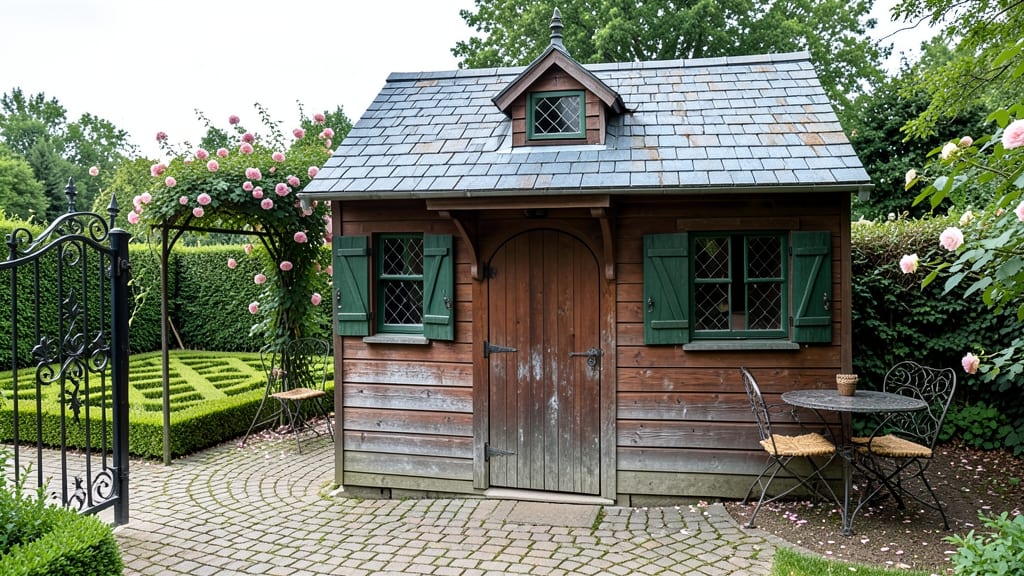
Naming your garden shed in French lets you combine rustic charm with linguistic flair, whether you go for classic terms like remise (traditional storage shed) or cabane de jardin (garden hut) or get creative with names like Petite Maison des Plantes (Little House of Plants). The best choice depends on your shed's purpose, your garden's style, and how much French authenticity you want to showcase.
French garden shed names often reflect the country's deep connection to horticulture and rural life. 🌿 Many traditional terms—like grange (barn) or hangar (hangar)—originate from regional dialects and agricultural history, while urban gardeners might prefer sleeker names like atelier (workshop) for a modern twist.
The key is balancing practicality with personal expression, whether you're naming a tool storage space or a cozy greenhouse retreat.
For gardeners who love wordplay, French offers endless possibilities. You could name your shed after a favorite plant (La Maison des Roses for rose lovers) or even a literary reference (La Cabane de Victor—inspired by Hugo).
The language's romance and precision make it perfect for adding character to any outdoor space.
💡 In This Article
- Traditional French Garden Shed Names and Their Meanings
- Creative French-Inspired Shed Names for Gardeners
Traditional French garden shed names and their meanings
French garden shed names often carry centuries of agricultural tradition, with regional dialects shaping the vocabulary. The term remise (pronounced ruh-mee-zay), for example, originates from Old French remettre (to put away), originally referring to covered storage spaces for farm tools and harvests.
In rural areas, you'll also hear grange (gran-zh), meaning barn—a larger structure often housing livestock and grain, but sometimes adapted for garden storage. The distinction between these terms reveals how French rural life organized space: remise for tools, grange for larger-scale agricultural needs.
Urban and suburban gardeners might prefer cabane de jardin (kah-bahn duh zhah-dahn), which literally translates to "garden hut" and carries a lighter, more decorative connotation. This term became popular in the 19th century as French cities embraced gardening as a leisure activity, not just a necessity.
Meanwhile, hangar (ahn-gahr), borrowed from aviation terminology, now often refers to a more spacious, workshop-like structure—think of a gardener's dream with built-in benches and shelving. The difference between these names reflects how French culture balances practicality with aesthetic appeal in outdoor spaces.
What makes these traditional names so enduring is their connection to France's agricultural heritage. Many terms like abri de jardin (ah-bree duh zhah-dahn), meaning "garden shelter," were used in medieval monastic gardens where herbs and vegetables were carefully cultivated.
The language itself preserves this history—words like serre (seh-rr), for a greenhouse, come from the Latin serrare (to close), reflecting the original purpose of these structures to protect delicate plants from harsh weather. 🌿
For gardeners considering a traditional name, pronunciation is key to authenticity. A remise should roll off the tongue with a soft "z" sound, while hangar requires a crisp "g" (like the English "hard").
These names aren't just labels—they're a nod to France's deep-rooted gardening traditions that continue to inspire modern outdoor spaces. Whether you're storing tools or nurturing plants, these terms carry the weight of centuries of horticultural knowledge.
Regional variations add another layer of depth. In Provence, you might hear cabanon (kah-bah-nohn), a smaller, often decorative shed, while in Normandy, grange might refer to a more substantial building.
These differences highlight how French garden culture adapts to local climates and traditions—something to consider when choosing a name that truly reflects your garden's character.
What most people don't realize is how these traditional names can influence the shed's perceived function. A remise suggests practical storage, while a cabane de jardin invites whimsy and creativity. The choice isn't just about the name—it's about the story you want your garden to tell.
For example, naming your tool shed L'Atelier du Jardinier (The Gardener's Workshop) immediately signals a space for craftsmanship and care, whereas Le Coin des Oiseaux (The Bird Corner) might indicate a haven for wildlife.