
Flowers
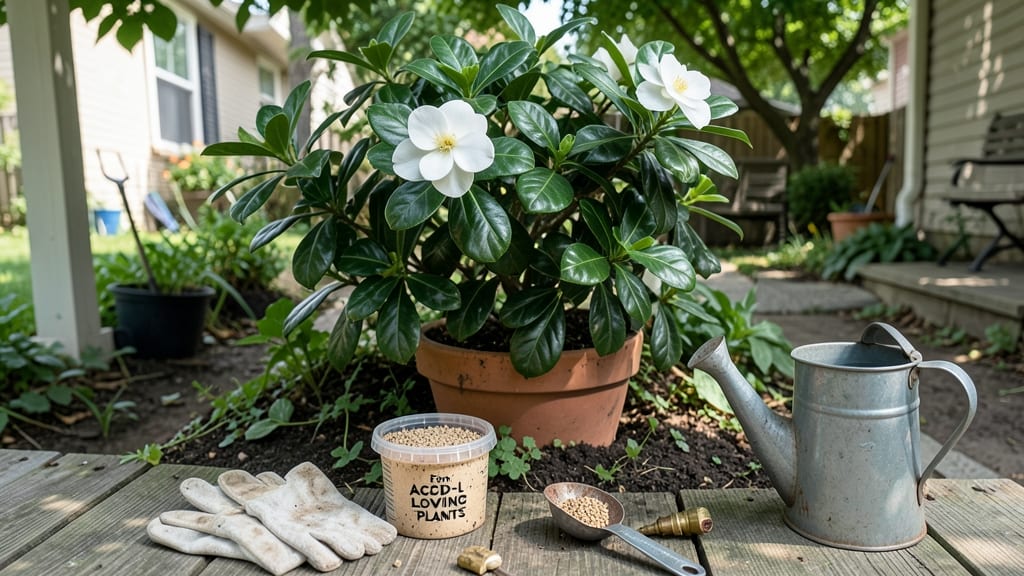
The right gardenia flower fertilizer—acidic and low in nitrogen—is the secret to those intoxicating blooms you’ve been waiting for 🌸.
Picture this: You’ve spent months nurturing your gardenia, only to watch it throw out lush green leaves but refuse to bloom. The problem? Most fertilizers are packed with nitrogen, which fuels foliage at the expense of flowers.
Gardenias crave a different balance—one that prioritizes phosphorus and potassium while keeping the soil’s pH in check.
In this guide, I’ll walk you through the best fertilizers for gardenias, from organic options like cottonseed meal to synthetic blends designed for acid-loving plants.
You’ll learn when to feed (hint: it’s not just once a year), how to spot nutrient deficiencies before they stunt your plant, and the simple tweaks that turn sparse blooms into a fragrant abundance.
Ready to unlock your gardenia’s full potential? Let’s get those roots fed right—without overdoing it.
Why gardenia flowers need low-nitrogen acidic fertilizer (and how to fix deficiencies)
Your gardenia flowers might be struggling because they’re not getting the right nutrients. Unlike many plants, gardenias thrive on low-nitrogen, acidic fertilizer—too much nitrogen leads to lush leaves but fewer blooms.
The key is balancing phosphorus and potassium while keeping the soil pH between 4.5–6.0. Without this, your plant may show signs of deficiency like yellowing leaves or sparse flowers.
Gardenia plants are native to tropical and subtropical regions, where the soil is naturally acidic and nutrient-poor. When you use a high-nitrogen fertilizer, like those designed for lawns or leafy greens, you’re essentially telling your gardenia to grow foliage instead of show-stopping blooms.
The result? A bushy plant with little to no flowers. Even worse, over-fertilizing can burn roots and disrupt the plant’s natural growth cycle.
Here’s the science: Gardenias need phosphorus for blooming and potassium for disease resistance, but they can’t access these nutrients if the soil pH is off. A pH above 6.0 locks out essential micronutrients like iron and manganese, causing yellow leaves (chlorosis) even if the soil looks fertile.
The solution? A low-nitrogen, acid-loving fertilizer with a balanced NPK ratio like 6-6-6 or 8-3-9.
🌱 Did You Know? Gardenias are part of the Rubiaceae family, which includes coffee plants. Like coffee, they love acidic soil and struggle in alkaline conditions. If your gardenia’s leaves turn yellow with green veins, it’s a classic sign of iron deficiency caused by high pH.
Now, let’s talk signs of deficiency. If your gardenia has small, sparse blooms, it’s likely starving for phosphorus. Yellowing leaves with green veins?
That’s iron deficiency from high pH. Brown leaf edges could mean too much salt from fertilizer, while stunted growth often points to nitrogen deficiency—ironic, since most gardeners overdo nitrogen! Below is a quick reference to diagnose and fix these issues.
Fixing deficiencies starts with a soil test. If your gardenia’s soil pH is above 6.0, amend it with peat moss, pine bark, or sulfur to lower the pH gradually.
For micronutrient deficiencies, use chelated iron or Epsom salt (magnesium sulfate) for a quick boost. Remember, gardenias are sensitive—always water thoroughly after fertilizing to prevent root burn.
Timing matters too. Feed your gardenia with a low-nitrogen fertilizer in early spring to kickstart growth and again in early summer to encourage blooming. Avoid fertilizing in fall or winter, as the plant enters dormancy.
Over-fertilizing during these seasons can lead to nutrient buildup, which harms roots and reduces blooms next season.
Pro tip: Mix composted pine needles or leaf mold into the soil for a slow-release, acidic boost. These organic amendments improve soil structure while keeping the pH in the ideal range.
Pair this with a balanced, low-nitrogen fertilizer, and you’ll see healthier foliage and more blooms within a few months.
If you’ve been using a high-nitrogen lawn fertilizer, flush the soil with water and switch to an acid-loving plant formula. Your gardenia will thank you with glossy leaves and fragrant white blooms—the hallmark of a happy, well-fed plant.
🌿 Key Takeaway: Gardenias need low-nitrogen, acidic fertilizer with a balanced NPK ratio (like 6-6-6) and a pH of 4.5–6.0. Watch for yellow leaves, sparse blooms, or brown edges—these are red flags for deficiencies.
Test your soil, amend as needed, and fertilize only in spring and summer for the best results.
Top 5 acid-loving fertilizers for gardenia blooms (with application tips)
Gardenia flowers thrive when their soil stays acidic (pH 4.5–6.0) and rich in phosphorus for blooms. Too much nitrogen leads to leafy growth at the expense of fragrant flowers—so skip the high-nitrogen lawn fertilizers!
Instead, focus on organic matter and low-nitrogen, high-phosphorus options. Let’s explore the best fertilizers to keep your gardenias blooming year after year.
Not all acid-loving fertilizers work equally well. Some are easier to apply, while others deliver slower, more consistent results. Below, I’ve rated each option based on ease of use and bloom results—so you can pick what fits your gardening style.
Pro tip: Always mix fertilizers into the top 2–3 inches of soil or use a slow-release method to avoid root burn.
Cottonseed meal is my top pick for gardenias—it’s high in nitrogen (but balanced) and breaks down slowly, feeding roots for months. Sprinkle 1–2 tablespoons per plant in early spring and again after blooming. For a DIY boost, mix it with compost and water thoroughly to activate.
Peat moss is a game-changer for soil acidity. Work 2–3 inches into the topsoil annually to maintain pH. Pair it with compost to avoid nutrient lockout. Avoid overusing it, though—peat moss can compact over time, reducing drainage. A 1:1 mix with perlite keeps soil fluffy.
If your gardenias show yellow leaves between veins (a classic iron deficiency sign), iron sulfate is your quick fix. Dissolve 1 teaspoon per gallon of water and apply as a soil drench every 4–6 weeks during growing season. For potted gardenias, use half the dose to avoid overloading roots.
Bone meal delivers a phosphorus punch for blooms, but it’s low in nitrogen, so it won’t overpower gardenias. Use 1 tablespoon per plant in early spring and again after the first flush of flowers. Pro tip: Avoid using it in fall, as it can encourage late-season growth vulnerable to frost.
For stubborn high-pH soils, sulfur crystals lower pH over time. Sprinkle 1–2 tablespoons per plant and water well. Results take 2–4 weeks, so plan ahead. Pair it with compost tea to replenish microbes disrupted by the acid shift. Test soil pH monthly until you hit 5.0–6.0.
Remember: Less is more with gardenias. Over-fertilizing causes leaf burn and fewer blooms. Stick to the 4-6-6 weeks schedule during active growth (spring to early fall), and skip fertilizing in winter.
With the right mix, your gardenias will reward you with glossy leaves and intoxicating blooms all season. 🌸