
Tools
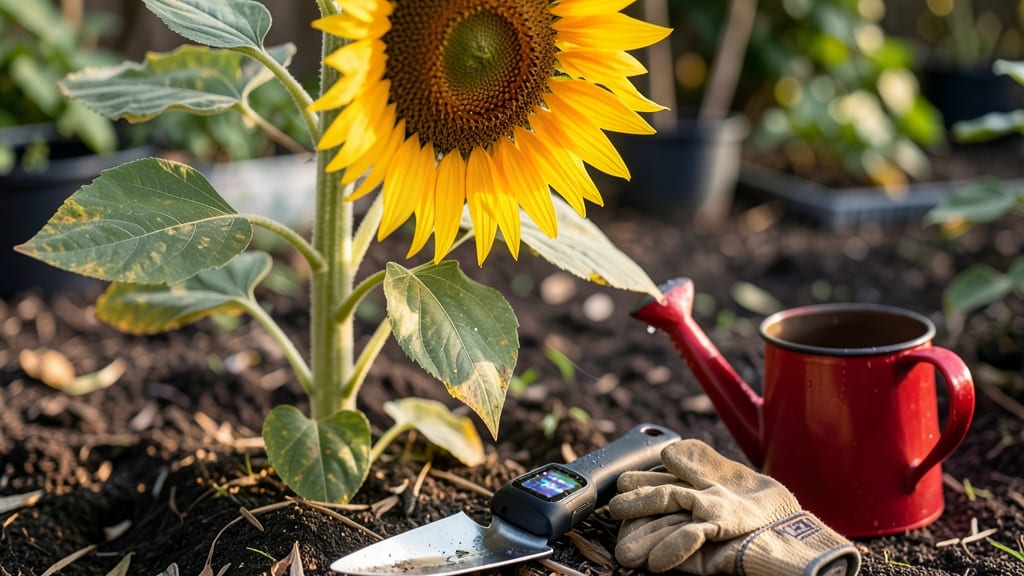
Gardening burns calories effectively, with moderate activities like weeding or planting consuming 200-300 calories per hour for a 155-pound person, while intense tasks like digging or hauling soil can reach 400-500 calories per hour—comparable to brisk walking or light jogging.
Gardening isn't just about growing plants—it's a surprisingly effective way to burn calories while enjoying fresh air. 🌿 The intensity of your activity directly impacts the results: lighter tasks like pruning or harvesting may burn around 150-200 calories per hour, but adding resistance (like lifting bags of soil or pulling weeds) can push that number higher.
I've found that combining gardening with short bursts of movement—like jumping up to reach high shelves—can turn it into a full-body workout. What's even better is that you're outdoors, soaking up vitamin D while you sweat!
The key to maximizing calorie burn lies in how you structure your time. 💫 Breaking tasks into 30-60 minute sessions keeps your heart rate elevated without exhaustion, and focusing on high-effort chores (like digging or moving heavy pots) ensures you're working those muscles.
Even better, gardening engages multiple muscle groups simultaneously, making it a more efficient calorie burner than many traditional workouts. For instance, hauling wheelbarrows of soil engages your core, legs, and arms all at once—something you won't get from steady-state cardio alone.
💡 In This Article
- How Gardening Compares to Other Workouts for Calorie Burn
- Maximizing Calorie Burn in Your Garden Workout Routine
How gardening compares to other workouts for calorie burn
Gardening's calorie-burning power comes from its unique blend of cardio and strength training. Unlike steady-state cardio like jogging (which burns 300-400 calories/hour for a 155-pound person at 5 mph), gardening tasks engage multiple muscle groups simultaneously.
Digging, for example, activates your legs, core, and upper body while maintaining an elevated heart rate—similar to a moderate-intensity circuit workout in the gym. The key difference is that gardening's calorie expenditure fluctuates based on task intensity, unlike structured workouts with predictable energy outputs.
Let's break down specific tasks: Raking leaves burns 200-250 calories/hour, comparable to a brisk walk, while hauling bags of soil (20-30 pounds each) can push expenditure to 350-450 calories/hour—closer to power walking uphill. What's fascinating is how terrain affects these numbers.
Gardening on sloped ground adds 10-20% more calorie burn due to increased resistance, similar to how incline treadmills boost calorie expenditure in gym settings.
For comparison, cycling at 12-14 mph burns 400-500 calories/hour, but gardening's intermittent bursts of effort create more metabolic variability, which some studies suggest may enhance fat oxidation.
Body weight plays a surprising role in gardening's calorie burn. A 200-pound person would burn 50-70% more calories than a 155-pound person for identical tasks due to increased ground reaction forces. This is why heavier individuals often find gardening more demanding—each movement requires more energy to overcome inertia.
The science behind this involves Newton's second law: greater mass means greater force needed for acceleration, which occurs with every shovel lift or wheelbarrow push. 🌱 For those tracking fitness metrics, gardening's calorie burn aligns most closely with moderate-to-vigorous physical activity (MVPA), where heart rate stays between 50-70% of max—a sweet spot for fat loss without excessive strain.
What sets gardening apart is its functional strength component. Unlike isolated gym exercises (like bicep curls), gardening tasks require multi-joint movements that engage stabilizing muscles.
For instance, carrying a 25-pound bag of compost from the truck to the garden bed works your grip strength, shoulder stability, and core endurance simultaneously—similar to a farmer's carry exercise.
Research shows these compound movements can increase post-exercise calorie burn through excess post-exercise oxygen consumption (EPOC), where your body continues burning calories at an elevated rate for up to 48 hours after the activity. This "afterburn effect" is most pronounced with resistance-based gardening tasks.
Consider this comparison for a 60-minute session:
- Digging garden beds: 400-500 calories (comparable to jogging 3 mph)
- Hauling wheelbarrow loads: 350-450 calories (similar to cycling 12 mph)
- Pruning/weeding: 200-300 calories (like brisk walking)
- Watering with hose (vigorous motion): 250-350 calories (equivalent to light aerobics)
For those new to gardening as exercise, start with 20-30 minute sessions of moderate tasks like weeding or planting. The beauty of gardening workouts is that they scale with your fitness level—adding resistance (heavier pots, longer distances) increases calorie burn without requiring specialized equipment.
What's more, the outdoor setting reduces perceived exertion through psychological benefits, making it easier to sustain longer activity periods. 💪 This mind-body connection is why many fitness experts recommend gardening as a sustainable weight management strategy.