Planting
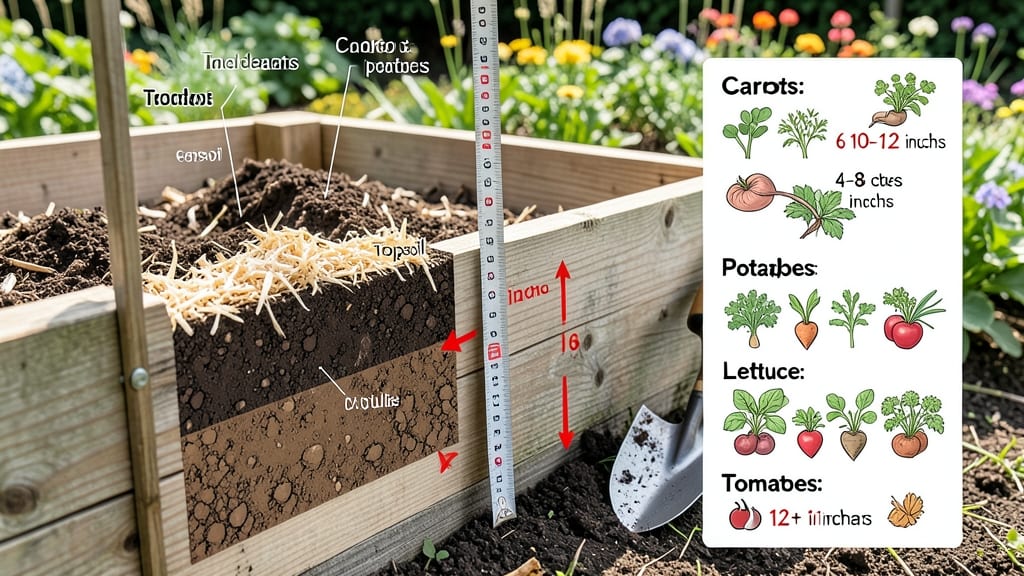
To make raised garden beds the right depth, you’ll need 6–18 inches—depending on what you’re growing—because too shallow stunts roots while too deep wastes space and money.
Picture this: You’ve spent hours building the perfect raised bed, only to realize your carrots are still fighting for space while your lettuce thrives in half the depth. The key is matching the bed’s height to your plants’ root needs—not just guessing.
Most vegetables like tomatoes and peppers do fine in 12 inches, but deep-rooted crops like asparagus or potatoes demand 18 inches or more. Meanwhile, herbs and greens can thrive in just 6 inches, saving you materials and labor.
Below, I’ll break down the exact depths for every plant type, how to adjust for drainage, and why soil quality matters just as much as the numbers. No more wasted space—just perfect root room.
Raised garden bed depth guide by root type: what your plants really need
When building raised garden beds, most gardeners assume a one-size-fits-all approach—usually 12 inches deep. But here's the truth: your basil and carrots have completely different needs. Shallow-rooted herbs like basil only need 6-8 inches of soil, while deep-rooted crops like carrots require 12-18 inches to reach maturity.
Ignoring these differences leads to wasted space, stunted growth, or even plant failure.
I’ve learned the hard way—my first raised bed was a uniform 10 inches deep, perfect for greens but too shallow for my asparagus crowns, which struggled to establish. The fix?
Layering soil depths within the same bed (more on that later). Let’s break down exactly what each plant type needs so you can design beds that work for your entire garden plan.
Key rule: Always prioritize the deepest-rooted plant in your bed. If you’re mixing types, build in zones of depth using landscape fabric or wooden dividers. For example, place carrots in one corner with 18 inches of soil, while your lettuce gets 6 inches in another section.
Here’s the visual guide you’ve been waiting for—a quick reference to plan your beds by root type:
Notice how carrots and asparagus demand the most space? These deep-rooted plants need room to develop their full structure. I once tried growing Danvers carrots in a 10-inch bed—they bolted before reaching maturity.
The fix? I added a 6-inch layer of compost on top of the existing soil, creating a 16-inch root zone just for them.
For container gardening, depth becomes even more critical. A 5-gallon bucket might work for basil or radishes, but it’s a death sentence for tomatoes. Always check the mature root depth of your plants before committing to a container.
Pro tip: Use fabric grow bags for deep-rooted plants—they’re flexible and let roots expand downward.
One mistake I see often is overbuilding beds for shallow-rooted plants. A 12-inch bed for lettuce is a waste of lumber and soil. Instead, create a two-tier system: one 6-inch layer for greens and herbs, and a 12-inch layer in another section for tomatoes.
This saves materials and gives each plant its ideal environment.
Don’t forget about drainage! Even deep-rooted plants need airflow at the bottom. I always add a 2-inch layer of gravel or broken pottery at the base of my beds.
This prevents waterlogging while keeping roots happy. For urban gardeners with limited space, consider vertical planters with built-in drainage—just ensure they’re at least 12 inches deep for anything beyond herbs.
If you’re repurposing an existing bed, you can adjust depth by adding soil layers. For example, to turn a 10-inch bed into a carrot-friendly zone, simply pile on 8 inches of fresh compost in one corner.
Just be mindful of weight limits—wooden beds can sag under too much extra soil.
Final tip: Test your soil depth before planting. Use a trowel or ruler to measure the actual depth after filling your bed. I’ve found that packed soil settles 10-15% over time, so always aim for 20% more depth than your plants need.
For example, if your asparagus needs 12 inches, fill the bed to 14-15 inches to account for settling.
How to calculate raised bed depth for custom plant combinations
Mixing plants like carrots and basil in one raised bed? That’s brilliant—but only if your bed depth matches their root demands. Carrots need 12-18 inches to grow, while basil thrives in just 6-12 inches.
Without the right depth, you’ll either crowd roots or waste space. The key is balancing the deepest plant’s needs while optimizing soil layers for all.
Start by identifying your deepest-rooted plant. If it’s carrots or potatoes, aim for 18 inches minimum. For shallower roots like lettuce or herbs, 6-12 inches suffices—but only if you’re not pairing them with deep growers.
My trick? Layer the bed with compost-rich topsoil (6 inches) over coarse drainage material (4-6 inches) to create a flexible zone for roots.
⚠️ WARNING: Depth Mistakes Can Stunt Growth ⚠️
⚠️ Too Deep? Extra space = wasted soil and materials. A 24-inch bed for basil is overkill—it’ll rot from excess moisture. Focus on the deepest plant’s needs, not the shallowest.
⚠️ Pro Tip: Use modular layers—add a removable bottom tray for drainage or a divider panel to separate deep vs. shallow zones without rebuilding.
Next, account for soil layering. Bottom layers should prioritize drainage: start with 4-6 inches of gravel or broken bricks to prevent waterlogging. Above that, add 6 inches of compost mixed with topsoil for nutrients.
For heavy feeders like tomatoes, top with 2 more inches of compost. This creates a customizable root zone—deep plants grow downward, while shallow ones spread horizontally.
Don’t forget drainage holes! Even with gravel, beds need 4-6 exit holes at the bottom to release excess water. If your bed is 18+ inches deep, add a perforated pipe in the center for better airflow.
I once had a 20-inch bed with no drainage—my potatoes rotted despite perfect sunlight. Lesson learned: Drainage > depth.
Modifying an existing bed? No problem. If your current bed is too shallow, extend the sides with wood or metal edging and add 6-12 inches of soil.
For too-deep beds, install a false bottom (like hardware cloth) at the ideal depth and fill the gap with mulch or straw to save soil. This keeps costs low while giving roots the space they crave.
Finally, test your setup with a trial plant. Stick a carrot seedling in the deepest zone and a basil seedling near the edge. If both thrive without competing, you’ve nailed the depth!
Adjust next season by adding compost or mulch as needed. Happy planting—your custom bed is now a root-friendly paradise! 🌱