
Flowers
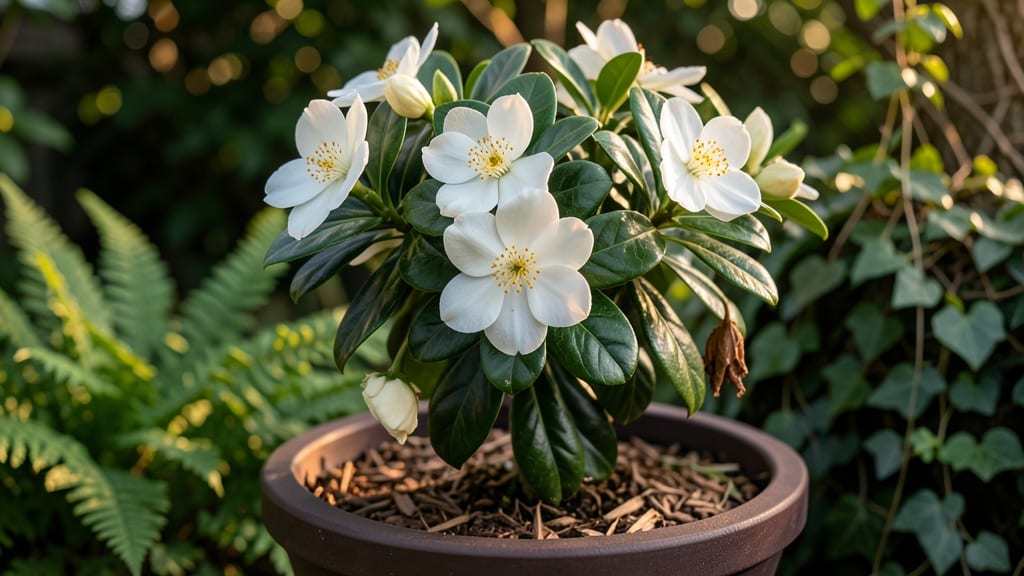
Gardenia flowers last 3 to 7 days on the plant and up to 10 days in a vase when cared for properly, but with a few science-backed tricks, you can nearly double that time.
Picture this: you’ve just snipped a fragrant 🌸 gardenia bloom, only to watch it wilt in 48 hours—frustrating, right? The secret lies in how you prep the stem and vase, plus a few environmental tweaks that make all the difference.
In Zone 6, gardenias naturally bloom from late spring to early summer, but their vase life hinges on hydration, temperature, and even the water you use. A simple sugar or bleach solution can add days, while ethylene gas (from fruits or ripening veggies) can cut their life short.
Below, I’ll break down the exact cutting techniques to extend blooms by 2 weeks, troubleshoot early wilting, and share the best times to harvest for maximum freshness—so you can enjoy that intoxicating scent for as long as possible.
Natural lifespan of gardenia flowers: what to expect indoors vs. on the plant
Gardenias are famous for their creamy white blooms and heavenly scent, but their lifespan varies dramatically depending on whether they're growing on the plant or cut for vases.
On the plant, gardenias typically bloom for 5-7 days per flower, though the plant itself may produce multiple flushes of blooms throughout spring and summer. Indoors, cut gardenia blooms last 7-10 days in ideal conditions, but many gardeners report 2-week lifespans with proper care.
The key difference lies in the plant's natural cycle versus the vase environment. On the plant, blooms follow a seasonal rhythm tied to temperature and daylight hours, while cut flowers depend entirely on hydration, humidity, and ethylene exposure.
Understanding these factors helps you maximize bloom time whether your gardenias are in the garden or arranged in a vase.
| Factor | On the Plant (Days) | Cut Flowers (Days) | Key Influencer |
|---|---|---|---|
| Natural Bloom Duration | 5-7 days | 7-10 days | Genetics + environmental stress |
| Seasonal Blooming Window | Spring-Summer (3-4 cycles) | Year-round (if forced) | Daylight hours + temperature |
| Humidity Needs | 60-70% | 70-80% | Prevents petal desiccation |
| Temperature Range | 65-75°F (optimal) | 60-70°F (ideal) | Extreme heat accelerates wilting |
| Light Exposure | Partial shade (4-6 hrs sun) | Indirect bright light | Direct sun scorches petals |
| Ethylene Sensitivity | Moderate (from nearby fruits) | High (speeds wilting) | Keep away from ripening produce |
On gardenia plants, blooms typically follow a 3-4 cycle seasonal pattern in temperate climates, with peak flowering occurring in late spring to early summer. Each individual bloom lasts 5-7 days before naturally dropping, but the plant may produce new buds every 2-3 weeks if given proper care.
Factors like acidic soil pH (5.0-6.5) and consistent moisture directly impact how many blooms the plant produces each season.
When cut and placed in a vase, gardenia flowers show remarkable resilience with the right conditions. The 7-10 day average lifespan can extend to 14 days when you control factors like water temperature (cool, not cold), stem freshness (recut daily), and humidity levels.
The most critical difference between plant and vase life is the ethylene exposure—cut flowers wilt faster when exposed to ripening fruits or smoke, while plants in their natural environment have built-in defenses.
Temperature plays a surprisingly large role in both scenarios. Gardenias thrive in 65-75°F conditions, but even slight deviations can shorten bloom time. For cut flowers, temperatures above 75°F cause petals to yellow within 48 hours, while below 55°F slows hydration.
On the plant, heatwaves above 85°F cause buds to drop before opening, while cool nights below 50°F delay blooming entirely.
Humidity is another game-changer, especially for cut gardenias. These tropical flowers despise dry air, which causes petals to crisp and fall prematurely. In vase arrangements, maintaining 70-80% humidity around the flowers (using a humidity dome or pebble tray) can add 3-5 extra days of vase life.
On the plant, mist spraying in dry climates helps preserve blooms by 24-48 hours after opening.
Light exposure creates a paradox for gardenias. While they need bright indirect light to bloom profusely, direct afternoon sun will scorch petals and shorten their lifespan by 30-50%. For cut flowers, place arrangements in east-facing windows where they receive morning light without the intensity of midday sun.
On the plant, afternoon shade cloth can extend each bloom's life by 1-2 days during peak summer heat.
One
5 Proven cutting techniques to extend gardenia blooms by up to 2 weeks
Cutting gardenias at the right time and preparing them properly can transform their vase life from a few days to up to 2 weeks. The secret lies in understanding how to maximize stem hydration and minimize stress during the transition from plant to vase.
Unlike many flowers, gardenias are sensitive to ethylene gas and temperature fluctuations, so precision matters. By following these science-backed techniques, you'll preserve their glossy petals and intoxicating fragrance longer than you ever thought possible.
First, always cut stems at a 45-degree angle about 2 inches below the bloom. This increases the surface area for water absorption, which is critical since gardenias have thick, waxy cuticles that naturally resist hydration.
Use sharp, clean scissors or pruners to avoid crushing the stem—crushed stems block water uptake and lead to premature wilting. Timing is everything: harvest in the early morning when stems are fully hydrated and temperatures are coolest.
-
Step 1: Harvest at Peak Freshness
🌞
Cut stems early morning when buds are just opening. Avoid fully open blooms—they’ll last longer in the vase.
-
Step 2: Condition Stems Immediately
💧
Place stems in lukewarm water with 1 tsp sugar and 1 drop bleach per quart. This cleans bacteria and feeds stems for 24 hours before vasing.
-
Step 3: Trim Stems Underwater
✂️
Recut stems underwater to prevent air bubbles from blocking the xylem. Use a clean knife for precision.
-
Step 4: Use Acidified Water
🌿
Add 1 tbsp white vinegar per gallon of water to lower the pH to 4.5-5.5, mimicking gardenias’ natural acidic soil.
-
Step 5: Isolate from Ethylene
🚫
Keep gardenias away from fruit (ethylene source) and direct sunlight. Store in a cool (65°F), humid spot overnight.
The science behind these steps is simple: gardenias thrive in acidic environments, and their stems need constant hydration to combat their natural waxy coating. The sugar in the conditioning solution provides quick energy, while bleach acts as a bacterial inhibitor.
When stems are recut underwater, you prevent air bubbles from clogging the xylem vessels, ensuring uninterrupted water flow. This method alone can add 3-5 extra days of vase life.
For even longer-lasting blooms, change the vase water every 2-3 days and trim stems by ½ inch each time. Gardenias are heavy drinkers, so use a vase with a narrow neck to minimize water loss through evaporation.
Avoid overcrowding stems—each bloom needs at least 1 inch of space to prevent competition for water and nutrients. Place the vase in a spot with indirect light and moderate humidity to recreate their ideal growing conditions.
With these techniques, you’ll transform gardenias from short-lived cut flowers into long-lasting centerpieces that rival their performance on the plant. The key is treating them like the delicate divas they are—hydrated, isolated, and pampered from the moment they’re cut.
Your efforts will be rewarded with blooms that stay fresh for up to 14 days or longer, filling your home with their signature fragrance.