
How To
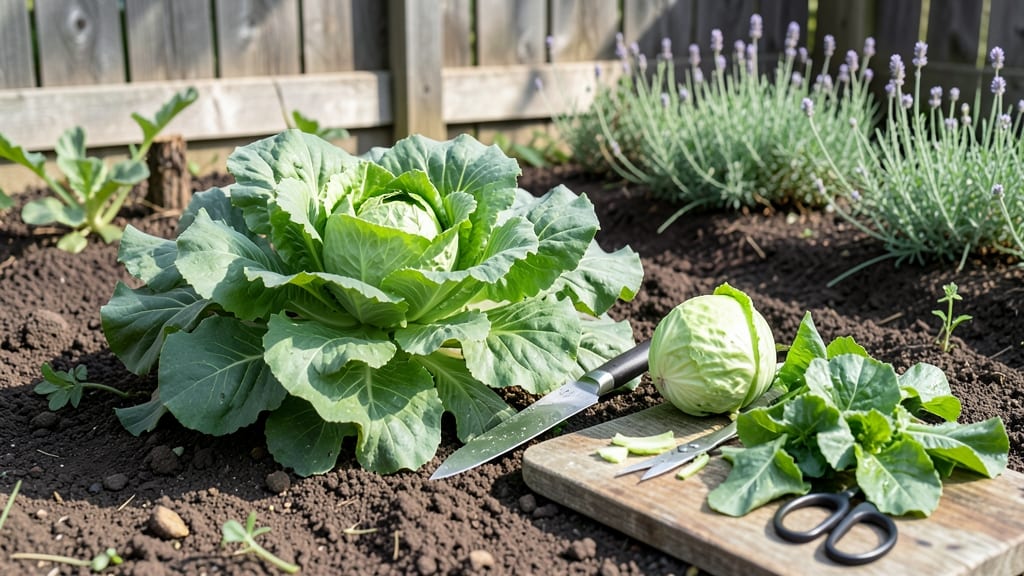
Harvesting lettuce from your garden the right way means you can enjoy fresh, crisp 🥬 leaves for weeks—without sacrificing future growth or ending up with bitter, bolted plants.
Picture this: You’ve nurtured your lettuce for weeks, only to pull it all at once, leaving your garden bare and your kitchen short on greens. The cut-and-come-again method changes that by letting you harvest outer leaves while the plant keeps growing, giving you a steady supply all season long.
But timing and technique matter. Cut too early, and you’ll stunt the plant; wait too long, and you’ll trigger bolting. Below, I’ll walk you through the exact steps to harvest lettuce—when to do it, how to do it, and how to keep your plants thriving for continuous yields.
You’ll learn how to spot the perfect harvest window, master the right cutting height, and avoid common mistakes that turn your lettuce patch into a disappointment. Ready to turn your garden into a leafy-green machine?
Step-by-step guide to harvesting lettuce using the cut-and-come-again method
The cut-and-come-again method is my go-to for extending lettuce harvests by up to 3-4 weeks per plant. Unlike harvesting the whole head, this technique lets you trim outer leaves while leaving the core to regrow.
It works best with loose-leaf varieties like romaine or butterhead, but even head lettuce can adapt if you’re gentle.
Timing is everything—harvest when leaves reach 4-6 inches but before they bolt (flower). I’ve learned the hard way that over-cutting or harvesting in peak heat stresses plants, triggering bolting. The key is patience and precision, which I’ll break down step-by-step below to ensure your lettuce keeps producing like a champ.
Pro tip: Harvest in the morning when leaves are crisp and hydrated. Avoid cutting after noon—the heat causes wilting, and your lettuce may never bounce back. I’ve also found that shade cloth (30-50%) during summer months prevents bolting and keeps regrowth steady.
Seasonal adjustments matter too. In spring, lettuce regrows quickly, so I harvest every 2 weeks. But in fall, growth slows, so I stretch harvests to 3 weeks apart. Always check the soil temperature: below 40°F or above 80°F stresses lettuce, halting regrowth.
One common mistake I see? Using dull tools that crush leaves instead of cleanly cutting them. Ragged edges invite pests and disease, so sharpen your scissors regularly. Also, never harvest during drought—wilting leaves won’t recover, and the plant may bolt.
For head lettuce varieties, you can only do cut-and-come-again once or twice before the core weakens. But loose-leaf types like Black Seeded Simpson or Oakleaf can yield 5-6 harvests per season with proper care. Just remember: patience pays off—rushing leads to bitter, tough leaves.
After your first harvest, keep a journal to track what works. Note the leaf size, weather conditions, and regrowth time. Over time, you’ll dial in the perfect schedule for your climate. My romaine plants now give me harvests every 10 days in spring—all thanks to this method!
Finally, store harvested leaves in the fridge (unwashed, in a paper towel-lined container) for up to 5 days. But if you’re planning to regrow, use them within 2 days for the best texture. Happy harvesting—your garden (and wallet) will thank you!
When and how often to harvest lettuce for maximum yield
Timing your lettuce harvests is the secret to a continuous supply of crisp, flavorful leaves. Unlike root vegetables, lettuce thrives when you harvest early and often, encouraging regrowth. The key lies in understanding your variety's growth cycle—butterhead, romaine, and loose-leaf types all have slightly different rhythms.
For maximum yield, I recommend starting harvests when leaves reach 4-6 inches in length, but never let them bolt or turn bitter.
Most gardeners make the mistake of waiting too long, assuming bigger leaves mean better harvests. In reality, over-mature lettuce becomes tough and bitter, especially in warm weather. Instead, focus on harvesting outer leaves first—this preserves the plant's energy for new growth.
I’ve found that butterhead varieties regrow best when harvested at half their mature size, while romaine and leaf lettuces can handle slightly later cuts.
Harvest when leaves are 4-5 inches wide, cutting outer leaves only. Regrowth takes 2-3 weeks between harvests.
Wait until heads are 6-8 inches tall. Cut entire heads at base for full harvest, or trim outer leaves for regrowth in 3-4 weeks.
Harvest individual leaves when 3-4 inches long. Regrows in 1-2 weeks—perfect for continuous cutting.
Harvest every 2-3 weeks in cool seasons. In hot weather, reduce to every 4-6 weeks to prevent bolting.
Your lettuce is ready for harvest when leaves are fully formed but still tender. Look for crisp texture and vibrant color—these are your cues. I always check for bolt-resistant varieties like 'Black Seeded Simpson' or 'Salad Bowl' if I’m gardening in warm climates, as they handle heat better.
A quick pinch test works too: if leaves spring back when gently squeezed, they’re perfect for cutting.
If your lettuce isn’t regrowing well after harvests, it’s often due to nutrient depletion or heat stress. I’ve learned to side-dress with compost after each harvest and provide afternoon shade during summer.
Over-cutting is another common issue—never remove more than one-third of the plant at once, or you’ll stunt regrowth. For slow regrowth, try a light application of fish emulsion (high in nitrogen) to jumpstart new leaves.
Bolting—when lettuce sends up a flower stalk—is the ultimate harvest killer. To prevent it, I plant succession crops every 2 weeks in spring and fall, ensuring a fresh batch is always ready.
If bolting happens, harvest the lower leaves first before the stalk toughens. For next year, choose heat-tolerant varieties like 'Jericho' or 'Winter Density' to extend your harvest window.
With the right timing and care, your lettuce patch can produce harvests for months. Start small—try harvesting just 2-3 leaves per plant at first—to train your eye for the perfect moment. Soon, you’ll have a self-sustaining salad garden that keeps giving, even through mild winters.