
Watering
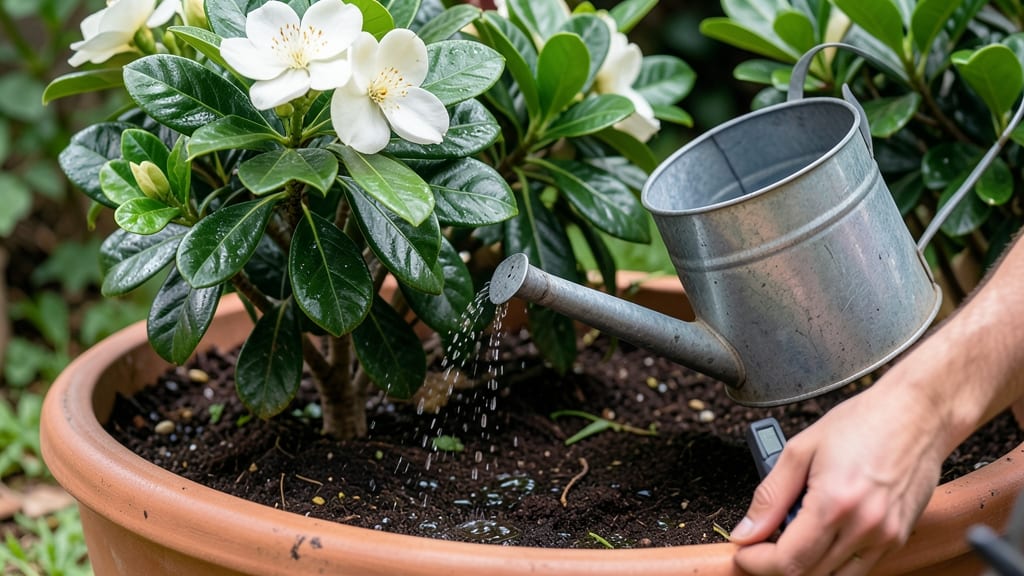
Watering a gardenia plant the right way is the key to those glossy leaves and intoxicating blooms you’re dreaming of.
Struggling to keep your gardenia thriving? The secret to its stunning, glossy leaves and intoxicating blooms lies in one critical factor: watering. Get this wrong, and you’ll watch your plant wilt—even if you’re using the perfect acidic soil.
Unlike many plants, gardenias hate drought but despise soggy roots even more. The trick is deep, infrequent watering that keeps moisture at the roots without drowning them.
In this guide, I’ll show you the exact watering schedule for your gardenia’s season, how to adjust for humidity, and what to watch for when things go wrong. No more guesswork—just lush, fragrant blooms.
The perfect watering schedule for gardenia plants to ensure blooms & lush leaves
Gardenia plants are divas when it comes to watering—too much or too little, and they’ll sulk with drooping leaves or bud drop. The key is consistent moisture without waterlogged roots.
I’ve learned through trial (and a few wilted plants) that gardenias thrive on a deep watering schedule adjusted for seasons and soil conditions.
These tropical beauties love humidity but hate soggy feet. In spring and summer, when growth is most active, I water my gardenias every 2-3 days. The goal is to keep the top 1-2 inches of soil moist but never waterlogged.
Think of it like giving your plant a refreshing shower—deep enough to reach the roots but not enough to drown them.
Seasonal changes dramatically affect water needs. During hot summer months, I increase frequency to daily watering if there’s no rain, while fall and winter slow down to every 5-7 days.
The plant’s natural dormancy in cooler months means it stores water more efficiently. Overwatering here leads to root rot, a silent killer of gardenias.
Here’s where most gardeners go wrong: they water based on a schedule rather than the plant’s needs. Stick your finger 1-2 inches deep into the soil—if it’s dry, it’s time to water. If it’s still damp, wait another day. This simple trick prevents both underwatering stress and overwatering damage.
🌸
| Season | Watering Frequency | Soil Moisture Goal | Signs of Overwatering | Signs of Underwatering |
|---|---|---|---|---|
| Spring | Every 2-3 days | Top 1-2" moist | Yellow leaves, mushy stems | Drooping leaves, crispy edges |
| Summer | Daily (if no rain) | Consistently moist | Root rot, mold on soil | Bud drop, wilting |
| Fall | Every 3-4 days | Top 1" slightly dry | Slow growth, leaf yellowing | Curling leaves, dry soil |
| Winter | Every 5-7 days | Top 2" dry | Blackened stems, foul smell | Brittle stems, no new growth |
Morning is the best time to water gardenias. Why? It allows foliage to dry out during the day, reducing fungal diseases like powdery mildew. Avoid evening watering—wet leaves overnight invite pests and rot.
I use a slow-release watering can or soaker hose to deliver water directly to the soil, minimizing evaporation and leaf wetting.
Pot-bound gardenias need more frequent watering than those in the ground. Containers dry out faster, so I check potted gardenias daily in summer and adjust based on soil moisture. A pro tip: use well-draining pots with drainage holes and a mix of peat moss to retain moisture without suffocating roots.
Yellowing leaves are often a cry for help. Overwatering causes lower leaf yellowing, while underwatering leads to upper leaf browning. If you spot yellow leaves, check the roots—healthy roots should be firm and white.
Mushy or black roots mean root rot, and you’ll need to repot with fresh, dry soil.
Mulching is a game-changer for gardenias. A 2-3 inch layer of mulch around the base (but not touching the stem) locks in moisture and regulates soil temperature.
I use pine bark mulch because it’s acidic, mirroring gardenias’ natural soil preferences. Just remember to keep mulch 2 inches away from the trunk to prevent rot.
💧
If your gardenia’s buds drop before opening, it’s usually a sign of stress from inconsistent watering. To fix this, water deeply every other day and ensure the plant gets high humidity (a pebble tray with water helps). Avoid fertilizing during bud drop—focus first on stabilizing water and soil moisture.
With the right watering routine, your gardenia will reward you with glossy leaves and fragrant blooms all season. Start with the schedule above, adjust based on your climate, and soon you’ll have a thriving gardenia that’s the envy of the neighborhood.
How to adjust watering for acidic soil & humidity needs of gardenia plants
Gardenia plants thrive when their acidic soil stays consistently moist, but watering isn't just about quantity—it's about quality. These finicky beauties demand pH levels between 5.0 and 6.5, and even the right water can make or break their health.
If your gardenia’s leaves yellow or buds drop, your watering routine (or soil pH) might be the culprit.
First, test your soil’s acidity with a pH testing kit or vinegar/baking soda method. Gardenias hate alkaline soil, which locks out essential nutrients like iron and manganese. If your soil tests above 6.5 pH, amend it with sulfur or peat moss to lower the pH gradually.
Remember, sudden changes can stress the plant, so adjust slowly over 4-6 weeks.
Chlorine and fluoride in tap water raise soil pH over time, while hard water minerals clog roots. Always use rainwater or distilled water for gardenias. If rainwater isn’t an option, let tap water sit 24 hours before using to allow chlorine to evaporate.
Humidity is another game-changer for gardenias. These tropical shrubs crave 60-70% humidity, but dry indoor air or hot summers can leave them parched. Increase humidity by placing the pot on a pebble tray with water or misting leaves daily (avoid wetting flowers).
For outdoor gardenias, mulch heavily to retain moisture and reduce evaporation from the soil.
Adjust your watering based on the season: water deeply every 2-3 days in summer, but reduce to once a week in winter. Stick your finger 2 inches into the soil—if it’s dry, water; if damp, wait.
Overwatering is just as deadly as underwatering, leading to root rot and yellowing leaves. Always ensure pots have drainage holes to prevent waterlogging.
Pro tip: Group gardenias with other humidity-loving plants like ferns or orchids to create a microclimate. A small humidifier nearby can also work wonders for indoor gardenias struggling in dry air.
With the right balance of acidic soil, humidity, and water quality, your gardenia will reward you with glossy leaves and fragrant blooms all season long.
Finally, monitor your gardenia’s response to adjustments. Healthy leaves should be deep green and slightly leathery, while wilting or crispy edges signal watering issues. Keep a journal to track soil pH, watering frequency, and humidity levels—this helps you fine-tune care over time. Patience and consistency are key!