
Tools
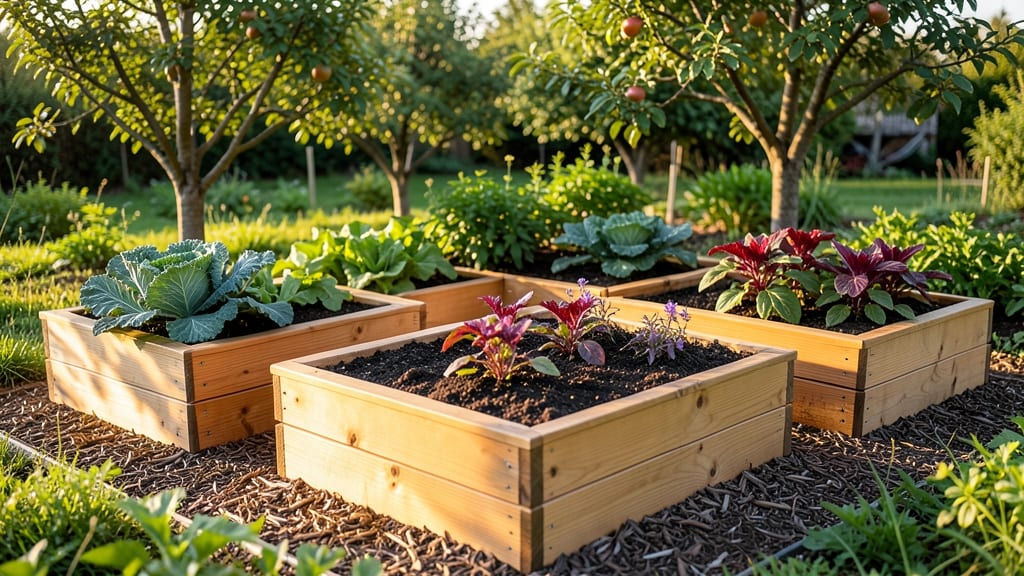
For the ideal dimensions for raised garden beds, aim for 4 to 8 feet in length, 3 to 4 feet in width, and 6 to 12 inches in height to support healthy plant growth, easy maintenance, and proper soil aeration.
These dimensions strike the perfect balance between space efficiency and plant needs.
A 3- to 4-foot width ensures you can reach the center without stepping on the soil, while the 6- to 12-inch height prevents compaction and allows for better drainage. 🌱 For example, deeper beds (10+ inches) work well for root vegetables like carrots, whereas shallower beds suit leafy greens.
I always recommend starting with these standard sizes, then adjusting based on your specific plants and space constraints.
Another key factor is material choice—wooden beds should be at least 8 inches tall to prevent rot from ground contact, while brick or stone beds can go taller for better durability.
If you're designing multiple beds, leave at least 18 inches of walking space between them for easy access and airflow.
💡 In This Article
- How Raised Bed Dimensions Impact Plant Health and Soil Quality
- Practical Guidelines for Designing Functional Raised Garden Beds
How raised bed dimensions impact plant health and soil quality
Root spread is directly influenced by bed width, and here's why: a 3-foot width provides ample space for most crops to develop their full root systems without overcrowding. For example, lettuce and radishes thrive in this width because their roots rarely exceed 6 inches deep.
However, deeper-rooted plants like potatoes or carrots need at least 12 inches of soil depth—that's why taller beds (10+ inches) are essential for these varieties. The soil in wider beds also warms more evenly, which is critical for germination rates.
I've noticed that beds wider than 4 feet can create temperature gradients, with the center staying cooler and wetter than the edges.
The height of your raised bed plays a crucial role in moisture retention and temperature regulation. A 6-inch height is the minimum for preventing soil compaction from foot traffic, but beds at 10-12 inches offer better drainage and warmer soil temperatures in cooler climates. The reason?
Deeper beds insulate against temperature fluctuations, keeping roots in an optimal 55-75°F range—critical for root growth. For instance, in my zone 5 garden, 10-inch beds keep soil 10°F warmer in spring compared to ground-level plots, giving early crops like peas a head start.
Length matters for ergonomics and space efficiency. Beds that are 4-8 feet long allow you to stand comfortably while planting, reducing back strain. Anything longer than 8 feet becomes cumbersome to reach the center, while shorter beds (<4 feet) waste space.
The 4:1 length-to-width ratio is ideal because it maximizes growing area while keeping maintenance manageable. For example, a 4x8-foot bed gives you 32 square feet of growing space—enough for a family's vegetable needs without overwhelming your workflow.
Soil quality changes dramatically with bed dimensions. Shallow beds (<6 inches) dry out faster and require more frequent watering, while deeper beds retain moisture better but may need occasional aeration to prevent compaction. The key is matching your bed dimensions to your climate: in arid regions, taller beds help conserve moisture, while in rainy climates, slightly shallower beds with better drainage work better. I've found that adding 2-3 inches of compost to the bottom of deeper beds improves aeration and prevents waterlogging.
Consider this comparison: a 4x4x12-inch bed is perfect for herbs and salad greens, while a 6x8x10-inch bed handles tomatoes and peppers beautifully. The extra height in the latter allows for better root development and supports taller plants.
For root vegetables like beets or turnips, you'll want at least 12 inches of depth to prevent forking—a common issue when roots hit hardpan or stones near the surface.
One nuance often overlooked is how bed dimensions affect weed growth. Wider, shallower beds tend to have more weed competition because sunlight reaches more soil surface. In contrast, taller, narrower beds create a more controlled environment where weeds struggle to establish.
If you're dealing with persistent weeds, consider black landscape fabric at the bottom of your bed before adding soil—this blocks weed seeds while still allowing water and roots to penetrate.