
Tools
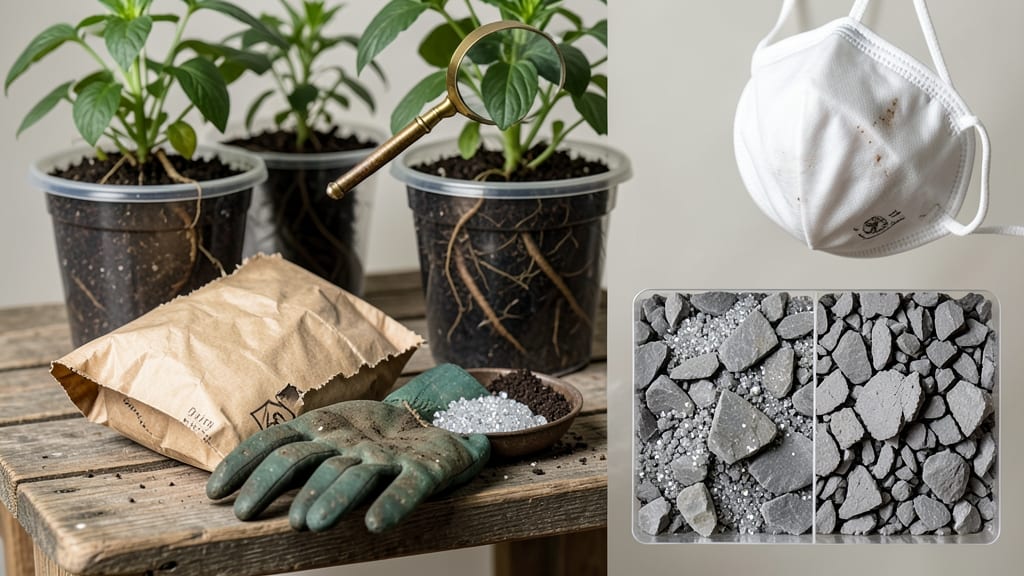
Vermiculite is dangerous in gardening when contaminated with asbestos, a known carcinogen that can cause lung disease. Pre-1990s vermiculite often contains asbestos, posing inhalation risks during handling or soil disturbance. Always test soil before use and opt for safer alternatives like perlite or coconut coir.
Gardening with older vermiculite bags can expose you to microscopic asbestos fibers, which lodge deep in your lungs when inhaled. 🌱 The danger comes from mining practices before 1990, when asbestos was commonly mixed in to improve heat resistance.
Even small amounts disturb fibers during soil mixing or transplanting, creating invisible risks over time. I always recommend testing your soil with a certified lab—it's the only way to know for sure whether your vermiculite is safe.
If you're worried about replacing vermiculite, don't panic—there are excellent alternatives. Perlite offers similar lightness and aeration without health risks, while coconut coir adds moisture retention and sustainability. Both work perfectly for seed starting and potting mixes, though they may require slightly different watering techniques.
The key is choosing what fits your specific gardening needs while keeping your lungs safe.
💡 In This Article
- Asbestos Contamination in Vermiculite: Health Risks and Exposure Dangers
- Safe Vermiculite Alternatives for Soil and Seed Starting
Asbestos contamination in vermiculite: health risks and exposure dangers
The danger of vermiculite in gardening stems from its historical contamination with asbestos, a group of fibrous minerals that were mined alongside vermiculite in Libby, Montana, until the 1990s. When heated during processing, these minerals expanded into the fluffy material gardeners recognize, but the asbestos fibers remained trapped within.
These fibers are microscopic—typically 0.02 to 0.05 micrometers in diameter—and become airborne when disturbed, especially during soil mixing or transplanting.
Once inhaled, these fibers lodge deep in lung tissue, triggering chronic inflammation and scarring over years or decades. The most severe condition, mesothelioma, is a rare but deadly cancer linked to asbestos exposure, with an average latency period of 20-50 years.
Even lower-level exposure can cause asbestosis, a progressive lung disease that restricts breathing. The risk isn't just from direct inhalation—fibers can also settle on skin or clothing, spreading through handling.
Pre-1990s vermiculite is the highest risk because mining operations in Libby, which supplied 80% of the world's vermiculite, contained significant asbestos deposits. The U.S. Environmental Protection Agency (EPA) banned asbestos in most products by 1989, but contamination persisted in existing stockpiles.
Today, vermiculite labeled as "Libby vermiculite" or produced before 1990 should be avoided entirely. 🔥 Even small amounts disturbed during gardening can release dangerous particles.
Testing is the only way to confirm safety. Certified labs can analyze soil or vermiculite for asbestos using polarized light microscopy or transmission electron microscopy, which detects fibers at concentrations as low as 0.1% by weight.
If you're unsure about your product's age or origin, assume it's unsafe—especially if it was purchased before 1990 or has a grayish tint, which can indicate asbestos presence.
For gardeners working with older soil mixes, wearing an N95 respirator mask reduces inhalation risk by 95% of airborne particles. However, the safest approach is to replace contaminated vermiculite with alternatives like perlite or coconut coir, which offer similar benefits without the health hazards.
The EPA recommends sealing or disposing of asbestos-contaminated vermiculite as hazardous waste.
Understanding the science helps put the risk into perspective. Asbestos fibers are 60 times thinner than a human hair, making them nearly invisible but incredibly persistent. Once embedded in lung tissue, they trigger an immune response that leads to fibrosis (scarring) over time.
This is why prevention—through testing, proper disposal, and safer substitutes—is critical for long-term health.
The good news? Modern vermiculite (post-1990) from non-Libby sources is generally safe, but the risks of older products make caution essential. If you're repurposing garden beds or using heirloom soil mixes, prioritize safety over convenience. Your lungs will thank you decades down the road. ✨