
Tools
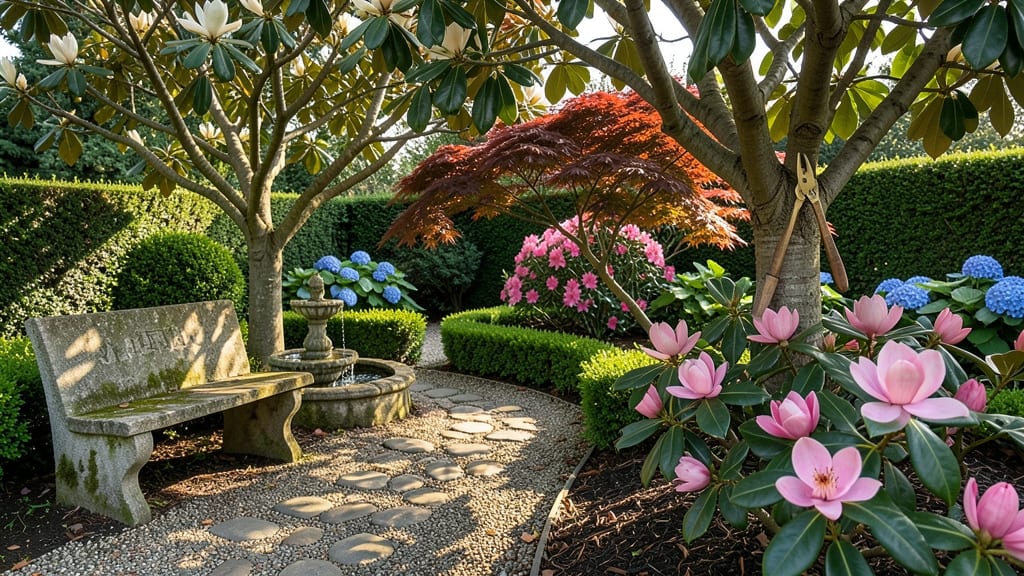
A James Irvine Garden creates a thriving edible landscape by combining perennial herbs, berry bushes, and flowering perennials with seasonal vegetables, all while supporting pollinators year-round. The key lies in strategic layering, native plant selection, and water-efficient irrigation systems.
A James Irvine Garden isn't just about growing food—it's about crafting a living ecosystem that feeds both people and wildlife. 🌿 The magic happens through strategic layering: tall perennials like elderberry or raspberries provide shade for low-growing herbs, while flowering plants ensure bees and butterflies have constant access to nectar.
This approach turns your yard into a self-sustaining food web where every plant plays a role—whether it's attracting pollinators, improving soil health, or producing harvestable crops.
What sets this method apart is its focus on seasonal diversity. Instead of planting just one crop at a time, you create overlapping harvests—spring for leafy greens, summer for herbs and berries, fall for root vegetables, and winter for hardy kale or winter squash.
The result? A garden that stays productive (and beautiful) all year while requiring less maintenance than traditional vegetable plots.
💡 In This Article
- Design Principles for a Sustainable James Irvine-Style Garden
- Seasonal Planting Calendar for Pollinator-Friendly Edibles
Design principles for a sustainable James Irvine-style garden
The core philosophy behind a James Irvine-style garden revolves around creating a multi-functional ecosystem where every plant serves multiple purposes. This means selecting species that provide food for humans, shelter for pollinators, and soil enrichment simultaneously.
For example, comfrey—a perennial herb—produces edible leaves while its deep roots break up compacted soil and attract beneficial insects. Its 18-inch tall stalks create vertical space for smaller plants like thyme or chives to thrive underneath, demonstrating how vertical layering maximizes space efficiency.
Soil health is the foundation of this system, achieved through active composting and organic mulching. Irvine's approach emphasizes using 3-4 inches of wood chips or straw mulch to retain moisture, suppress weeds, and gradually decompose into nutrient-rich humus.
The key is maintaining a 5-10% organic matter content in your soil, which improves water retention by 50% compared to bare soil. This moisture conservation is critical for drought-prone regions where traditional gardens struggle.
Water conservation techniques are built into the design through drip irrigation systems that deliver water directly to plant roots at 0.5-1 gallon per hour. These systems waste 30-50% less water than overhead sprinklers by minimizing evaporation and runoff.
The strategic placement of drought-tolerant perennials like lavender or Russian sage in sunny areas reduces overall water needs while creating pollinator corridors. What's remarkable is how this approach transforms water usage from a garden expense into an investment in ecosystem resilience.
Balancing edible crops with wildflower meadows creates what Irvine calls "pollinator highways"—20-30 foot wide strips of native flowers that connect fragmented habitats. These meadows support 20-30% more pollinator species than traditional gardens because they mimic natural prairie ecosystems.
The wildflowers like coneflower or black-eyed Susan provide nectar sources from early spring through late fall, while edible plants like strawberries or raspberries offer fruit for wildlife. This dual-purpose design ensures your garden remains both productive and ecologically valuable year-round.
One often-overlooked principle is the 30-30-30 rule for plant diversity: aim for 30% perennials (like asparagus or rhubarb), 30% annuals (such as lettuce or radishes), and 30% biennials (like carrots or onions).
This ratio creates natural succession where plants mature at different times, preventing pest outbreaks and ensuring continuous harvests. The result is a garden that looks intentional and thriving without requiring constant intervention.
Consider this example: a 10x12 foot garden bed might include 4 raspberry canes along the north edge (providing shade), 6 lavender bushes in the center (for pollinators), and 12 chive plants in between (edible and pest-repellent). The raspberries' 6-foot height creates vertical space while their berries feed birds and humans.
The lavender's 2-foot spread attracts bees while suppressing weeds, and the chives deter aphids that might target the raspberries. This simple layering demonstrates how each plant contributes to the garden's overall health and productivity.