
Lawn
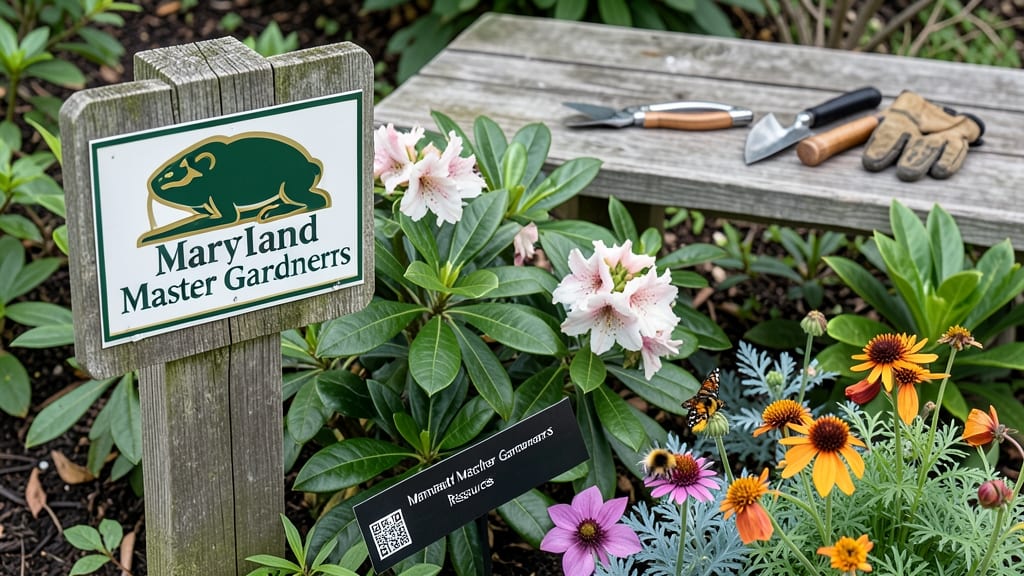
The Maryland Master Gardeners program offers science-backed gardening guidance customized to Maryland's unique soil types, seasonal patterns, and native flora, empowering residents to combat plant diseases, control pests, and cultivate thriving landscapes at no cost.
This volunteer network of gardening experts collaborates with the University of Maryland Extension to deliver research-proven solutions for common challenges like powdery mildew on roses or Japanese beetle infestations. 🌿 What sets them apart is their hands-on approach—whether through free plant clinics, diagnostic phone lines, or community workshops—where you can get personalized advice without costly consultations.
Their focus on sustainable practices means you'll learn techniques that protect both your garden and local ecosystems.
For instance, they can help you identify that brown spots on your azaleas might be from lace bugs rather than overwatering, or recommend drought-resistant ground covers that thrive in your specific hardiness zone.
The program's training includes 45 hours of coursework covering Maryland-specific horticulture, so you're getting advice from people who truly understand our regional growing conditions.
💡 In This Article
- How Maryland Master Gardeners Train for Local Expertise
- Accessing Free Maryland Master Gardener Resources and Help
How Maryland Master Gardeners train for local expertise
The Maryland Master Gardeners program begins with an intensive 45-hour training course developed in partnership with the University of Maryland Extension.
This curriculum dives deep into regional horticulture, covering everything from Maryland's 12 distinct soil types (like the sandy loam of the Eastern Shore versus the clay-heavy soils in Western Maryland) to the 75+ native plant species that thrive in our climate zones 6b-7a.
What makes their expertise truly local is the hands-on fieldwork. Volunteers spend 75 hours in practical training, including visits to research farms and botanical gardens where they learn to identify 150+ common plant diseases and 50+ insect pests that plague Maryland gardens.
For example, they study how Phytophthora cinnamomi (a soil-borne pathogen) behaves differently in the humid Piedmont region compared to the drier Appalachian foothills. 🌱 This regional knowledge allows them to recommend precise solutions—like using compost tea for fungal issues in wet areas versus copper fungicides in drier climates.
The program doesn't stop at certification. Master Gardeners complete 20 hours annually of continuing education to stay current on emerging threats like the spotted lanternfly or emerald ash borer, both of which have devastated local ecosystems.
They also participate in research projects, such as testing native plant mixes for pollinator support or developing climate-resilient garden designs that incorporate rain gardens to manage stormwater runoff—a critical issue in Maryland's 100-year floodplain areas.
One unique aspect is their focus on integrated pest management (IPM), which emphasizes prevention over chemical solutions. For instance, they teach homeowners how to create beneficial insect habitats by planting milkweed for monarchs or dill for parasitic wasps that naturally control caterpillars.
This approach aligns perfectly with Maryland's 2025 Sustainable Landscapes Initiative, which aims to reduce pesticide use by 30% while increasing biodiversity.
The training even includes soil science labs where volunteers learn to interpret soil test results—a skill that helps gardeners understand why their pH might be 5.8 in one bed (ideal for blueberries) but 7.2 in another (better for tomatoes).
This precision ensures recommendations are tailored not just to plant types, but to the specific conditions of your garden. 💡
What most people don't realize is how deeply their training connects to Maryland's agricultural history. For example, they study heirloom varieties like the Maryland Golden tomato or Sussex County watermelon, which were developed to thrive in our specific growing seasons.
This historical perspective helps them recommend plants that will perform reliably in our hot, humid summers and variable winters.
Finally, their certification process includes a mentorship component where new volunteers work alongside experienced gardeners for at least 10 hours.
This ensures they learn not just the science, but the practical wisdom of gardening in Maryland—like when to prune serviceberry bushes (early spring) versus hydrangeas (after blooming) to avoid disappointing floral displays. This mentorship creates a network of experts who truly understand the challenges of Maryland gardening.