
Planting
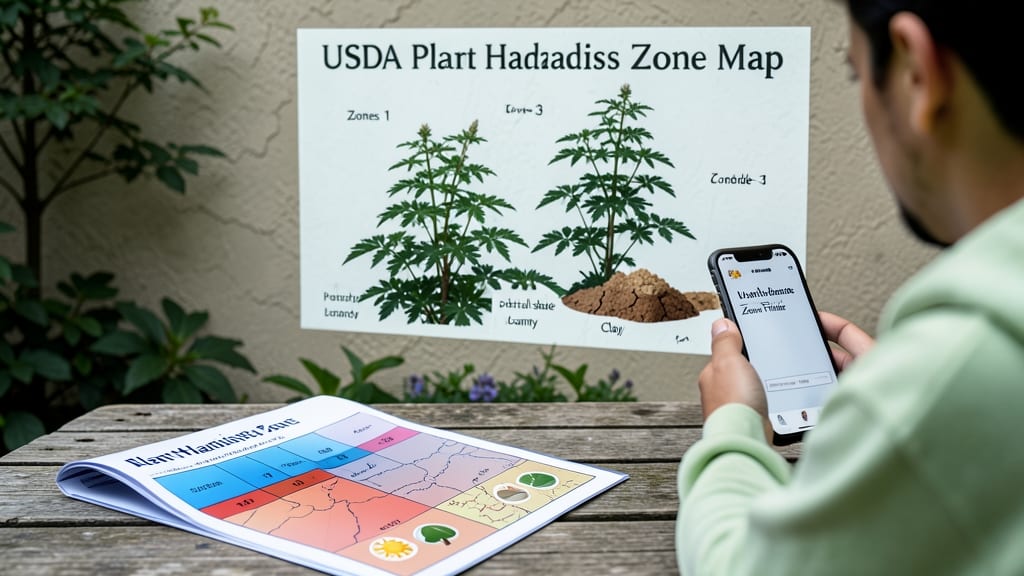
Understanding plant gardening zones helps you select the right plants for your area, as they're based on average minimum winter temperatures—but your yard's microclimates can push these zones up or down by 3-5 degrees, changing when and what you can grow.
These zones, developed by the USDA, act as a baseline for plant survival, but real-world conditions like afternoon sun or sheltered corners create local variations. 🌿 For example, a south-facing wall can turn a Zone 6 area into a Zone 7 microclimate, letting you grow heat-loving plants like tomatoes that might otherwise struggle.
The key is observing your yard's specific conditions—like how long frost lingers in low spots—before making planting decisions.
To work with these variations, I recommend testing your microclimates by planting temperature-sensitive crops like basil or lettuce in different spots. Track their success over a season to identify which areas perform best.
This hands-on approach often reveals surprises, like how a raised bed might stay frost-free weeks longer than the surrounding soil.
💡 In This Article
- How USDA Plant Hardiness Zones Define Plant Survival
- Creating a Microclimate Garden Plan for Your Yard
How USDA plant hardiness zones define plant survival
The USDA Plant Hardiness Zone Map divides North America into 13 zones based on average annual minimum winter temperatures, measured over a 30-year period. Each zone represents a 10°F range—for example, Zone 5 spans -20°F to -10°F, while Zone 8 covers 10°F to 20°F.
This system helps gardeners predict which plants can survive winter in their area, but it’s just a starting point. The map doesn’t account for local variations like urban heat islands or frost pockets, which can create microclimates where temperatures differ by 5-10°F from the zone average.
What makes these zones work is their correlation with plant resilience. For instance, a Zone 6 plant like a peony can tolerate down to -10°F, but if your yard experiences sudden cold snaps below that, even a well-established plant may suffer.
The zone system also factors in frost-free days, which influence when to plant warm-season crops like tomatoes. In Zone 7, you might have 180-210 frost-free days, while Zone 9 extends that to 240+ days, allowing for longer growing seasons.
However, a microclimate near a body of water could add 10-15 extra frost-free days to your Zone 7 area.
Here’s the catch: just because a plant is labeled for your zone doesn’t mean it’ll thrive. A Zone 5 shrub like a lilac might fail in a Zone 6 microclimate if it’s planted in a frost pocket—a low-lying area where cold air settles.
Conversely, a Zone 7 tomato variety could flourish in a south-facing microclimate that warms up faster than the surrounding area. The zone map is a tool, not a rulebook—your yard’s specific conditions often dictate what truly succeeds. 🌱
To understand why some plants struggle, consider how temperature extremes affect plant physiology. For example, a Zone 6 maple tree might survive -10°F winters, but if your microclimate dips to -15°F for even a few hours, the tree’s vascular system can freeze, leading to dieback.
Similarly, tender perennials like lavender, rated for Zone 7, may survive a mild winter in a sheltered microclimate but suffer in an exposed one. The zone system provides a baseline, but local conditions often write the final chapter.
Another critical factor is soil temperature, which can lag behind air temperature by weeks. In spring, a north-facing microclimate might stay 5°F cooler than the rest of your yard, delaying planting by 2-3 weeks.
This is why gardeners in Zone 5 often start seeds indoors in early March, even if the zone map suggests outdoor planting shouldn’t begin until mid-May. The science here is about timing—matching plant needs to your microclimate’s unique rhythm. 🌡️
Think of the zone map as a roadmap with detours. While it tells you where to start, your yard’s microclimates—like a sunny wall, a shady corner, or a windbreak—can reroute your planting strategy.
For example, a Zone 6 gardener might successfully grow Zone 7 plants in a south-facing microclimate but struggle with the same plants in a cold, exposed area. The key is observing your space: track temperatures with a minimum-maximum thermometer and note where frost lingers longest.
This data turns the zone map from a guess into a precision tool.