
Tools
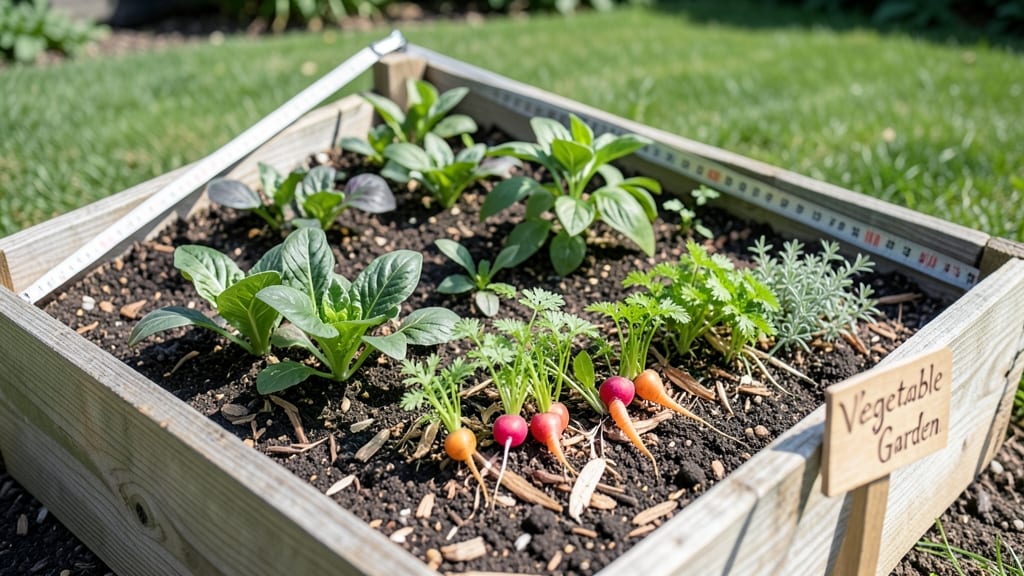
Standard raised garden bed sizes typically range between 4 feet wide by 8 feet long, with a depth of 6 to 12 inches—ideal for easy access, efficient planting, and optimal drainage for most vegetables, herbs, and flowers. This design maximizes growing space while allowing gardeners to reach the center without stepping inside.
The 4x8-foot footprint isn't arbitrary—it's a perfect balance between reachability and growing capacity. 🌱 With this size, you can stand comfortably on both sides of the bed, eliminating the need to step inside and compact the soil.
The 6-12-inch depth ensures adequate root space for most plants while preventing excessive soil weight that could warp wooden frames. Many gardeners find this the sweet spot for both productivity and ease of maintenance, whether they're growing leafy greens or compact vegetables.
What's fascinating is how this standard size adapts to different gardening needs. For instance, deeper beds (up to 18 inches) work well for root crops like carrots or potatoes, while wider beds (up to 3 feet) can accommodate taller plants like tomatoes.
The modular nature of raised beds lets you customize dimensions based on your space and what you're growing, making them incredibly versatile for both beginners and experienced gardeners.
💡 In This Article
- Why 4x8 Feet Is the Optimal Raised Bed Size
- Customizing Raised Garden Bed Sizes for Different Plants
Why 4x8 feet is the optimal raised bed size
The 4-foot width of standard raised beds is no accident—it's based on human ergonomics. When you stand at the center of a 4-foot-wide bed, your arms can comfortably reach the middle without stepping inside and compacting the soil.
This design prevents the common issue of soil compression from foot traffic, which can reduce root growth by up to 30% in compacted areas. 🌱 The 8-foot length balances space efficiency with practicality; it's long enough to grow multiple rows of plants side-by-side but short enough to avoid excessive material costs or structural stress on the frame.
Depth plays a critical role too. Most standard beds sit at 6-12 inches, which accommodates the root systems of 90% of common vegetables like lettuce, radishes, and green beans.
Deeper roots (like those of carrots or potatoes) may require 18-inch beds, but this standard depth prevents excessive soil weight that could warp wooden frames or require reinforced materials.
The 6-inch minimum ensures proper drainage while maintaining structural integrity—critical for preventing waterlogging, which can lead to root rot and stunted growth.
This size also maximizes growing space efficiently. A 4x8-foot bed provides 32 square feet of planting area—enough to grow a surprising variety of crops in a small footprint.
For comparison, a traditional in-ground garden requires 10-12 square feet per person for a year's worth of vegetables, meaning this single bed can feed a small family. The length-to-width ratio (2:1) ensures even sunlight distribution across the bed, reducing shade competition between plants. 🌿
Accessibility is another key factor. The 4-foot width allows gardeners of all mobility levels to tend to the center without bending or kneeling, reducing strain on joints. This is particularly beneficial for those with back issues or limited mobility.
The 8-foot length also makes it easier to reach across without overreaching, a common cause of injury in larger garden beds. For taller plants like tomatoes or peppers, the 4-foot width provides enough space to support trellises or cages without crowding.
Materials science comes into play here too. Wooden frames (like cedar or redwood) are most stable at this size—they won't warp under the weight of 6-12 inches of soil, which can weigh 200-400 pounds when saturated.
Metal or composite frames can handle slightly larger dimensions, but the 4x8-foot standard remains the most cost-effective and widely adaptable for home gardeners. The depth also prevents excessive soil weight that could require deeper, more expensive framing materials.
Finally, this size aligns with how plants naturally grow. Most vegetables thrive when spaced 12-18 inches apart, and a 4x8-foot bed fits 2-3 rows of most crops side-by-side. The 8-foot length allows for 4-6 plants per row, maximizing yield without overcrowding.
For example, you could grow 16 tomato plants in a single bed with proper spacing, while still leaving room for companion plants like basil or marigolds. 🌿