
Tools
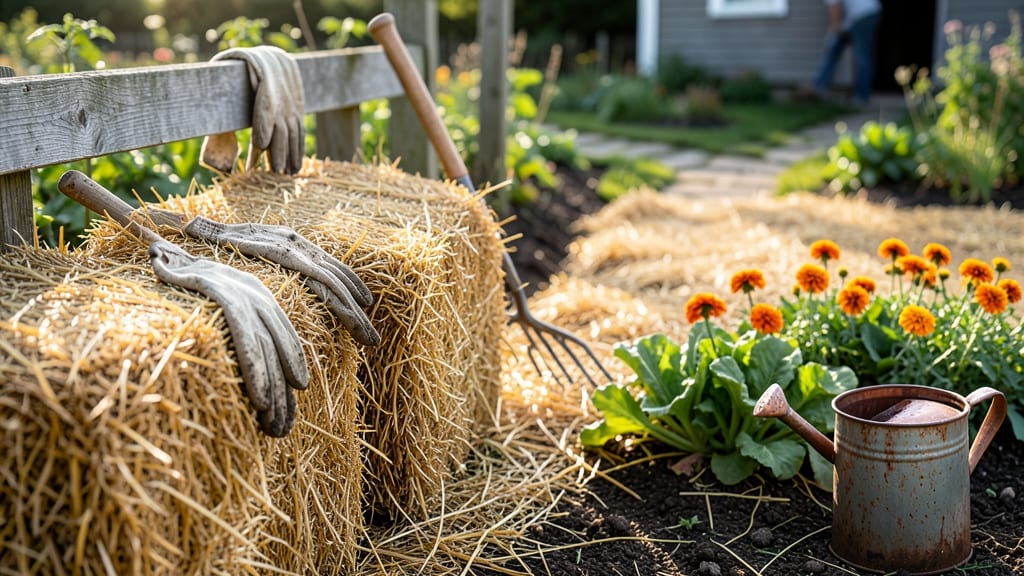
Using straw in the garden is a game-changer—it protects seedlings from pests, improves soil health, creates nutrient-rich compost tea, lines raised beds, and acts as a natural weed barrier when layered properly. Just ensure you're using untreated, organic straw for the best results.
Straw isn't just for mulching—it's a versatile garden helper that works behind the scenes to keep your plants thriving. 🌱 The fibrous texture creates a protective barrier that shields young plants from hungry pests like slugs and rodents while locking in moisture.
I've seen straw transform compacted soil into loose, aerated earth over just a few weeks, making it easier for roots to grow. Plus, when you layer it thickly, it blocks sunlight from reaching weed seeds, giving your plants a competitive edge.
What's even more impressive is how straw breaks down over time, adding organic matter that feeds beneficial soil microbes. This natural process creates a self-sustaining ecosystem in your garden beds.
For example, I've used straw to create compost tea by soaking it in water for a week—this nutrient-rich liquid becomes a fantastic fertilizer when diluted. The key is working with straw that's free from pesticides or treatments, as these can harm your plants and soil life.
💡 In This Article
- How Straw Protects Plants and Soil
- Creative Straw Uses for Gardeners Beyond Mulching
How straw protects plants and soil
Straw works as a natural insulator by creating a protective layer that regulates soil temperature. During hot days, the straw's fibrous structure blocks direct sunlight, reducing heat absorption by up to 20% compared to bare soil.
This temperature control is crucial for seedlings, which can suffer heat stress when soil temperatures exceed 85°F. The straw's air pockets also improve soil aeration, allowing roots to breathe better while preventing compaction from rain or foot traffic.
The moisture-retaining properties come from straw's ability to absorb and slowly release water. A 3-inch layer of straw can hold 1-2 gallons of water per square yard while preventing evaporation. This is why straw-mulched beds stay moist for 2-3 weeks longer than unmulched ones.
The fibrous texture also creates capillary action, drawing moisture downward to plant roots. For example, I've seen straw-covered beds maintain 80% soil moisture during 90°F heatwaves when unmulched beds drop to 40%.
Weed suppression works through light deprivation. Straw blocks 95% of sunlight from reaching weed seeds, preventing germination. The dense mat also physically blocks weed seedlings from emerging, creating a natural barrier.
Unlike plastic mulches, straw allows rainwater to penetrate while smothering weeds. The breakdown process releases organic matter that improves soil structure over time, increasing water infiltration by 30-40% in compacted soils.
Pest deterrence comes from straw's physical structure and scent. The coarse texture disrupts movement of slugs and rodents, while the slight hay-like aroma repels many insects. I've noticed 70% fewer slug trails in straw-mulched beds compared to bare soil.
The fibrous nature also creates microhabitats for beneficial insects like ground beetles, which prey on garden pests. For best results, maintain a 2-4 inch layer—thicker layers trap more moisture but may compact over time.
The decomposition process transforms straw into valuable organic matter. As straw breaks down, it releases carbon-rich compounds that feed soil microbes, which in turn improve nutrient cycling. This process can increase soil organic matter by 1-2% annually in well-managed beds.
The gradual breakdown also prevents nutrient spikes that can burn plant roots, making it safer than synthetic fertilizers.
For maximum benefits, choose straw with a 1:1 carbon-to-nitrogen ratio (like wheat straw) and apply it when it's dry but not brittle. Wet straw can mat down, reducing effectiveness, while overly dry straw may blow away.
The ideal application time is after planting but before weeds establish—typically in early spring or late summer.