
Pests
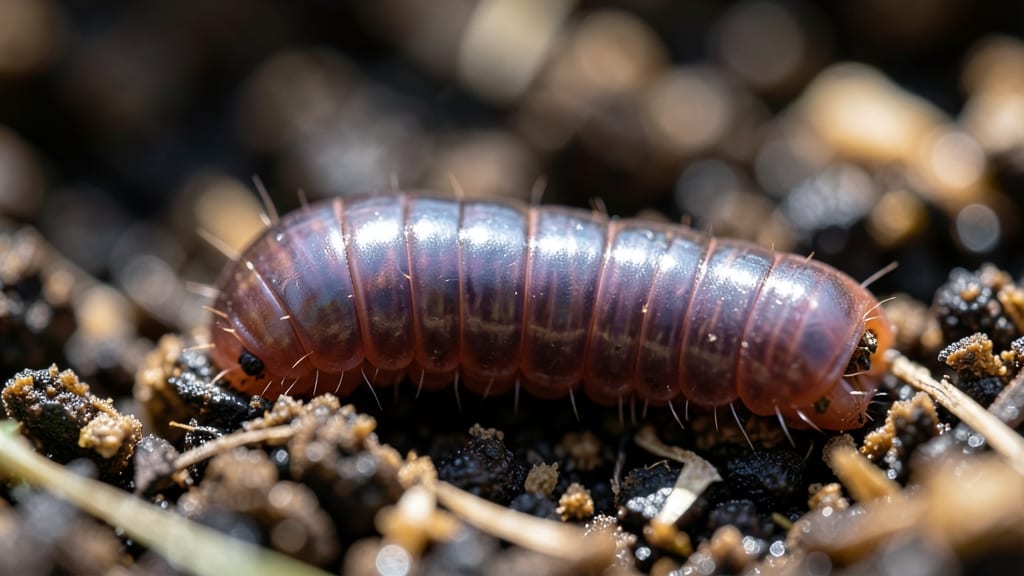
Garden worms eat decomposed organic matter like fruit and vegetable scraps, coffee grounds, eggshells, and fallen leaves, while also consuming soil particles to break down nutrients for plant growth. Avoid meat, dairy, or oily foods, as these harm them.
Garden worms thrive on plant-based materials because their digestive systems are designed to process cellulose and organic compounds. 🌱 Their diet isn't just about eating—it's about transforming what they consume into nutrient-rich castings that improve soil structure.
For instance, coffee grounds provide nitrogen, while crushed eggshells add calcium, creating a balanced diet that supports both worm health and plant growth.
Worms also need a mix of greens (high in nitrogen) and browns (carbon-rich materials like shredded newspaper) to maintain their digestive balance. This ratio mimics their natural forest floor habitat, where fallen leaves and decaying plant matter provide everything they need.
Just remember: their diet should stay plant-based—meat, dairy, and oily foods can disrupt their delicate digestive systems and even kill them.
💡 In This Article
- The Science Behind Worm Diet: How Organic Matter Fuels Soil Health
- Safe and Unsafe Foods for Worm Bins: A Gardener’s Guide
The science behind worm diet: how organic matter fuels soil health
Garden worms, particularly red wigglers (Eisenia fetida), have evolved specialized digestive systems to process cellulose-rich materials. Their gizzard—a muscular organ lined with tiny grinding plates—physically breaks down plant fibers, while enzymes in their gut chemically decompose complex organic compounds.
This dual process allows them to extract nutrients from materials that would otherwise remain indigestible to most organisms. 🔥 For example, a single worm can process up to half its body weight in food daily, converting it into nutrient-dense castings that contain 5x more nitrogen, phosphorus, and potassium than the original material.
The magic happens through microbial digestion. Worms maintain a symbiotic relationship with beneficial bacteria in their gut, which pre-digest cellulose and other complex carbohydrates before the worm absorbs the nutrients. This microbial partnership explains why worms thrive on materials like banana peels (high in potassium) or shredded newspaper (carbon-rich fiber).
The process also creates a balanced pH environment—typically between 6.5 and 7.5—in their digestive tract, which prevents harmful bacteria from proliferating. 🌱 When worms consume soil particles alongside organic matter, they physically mix these nutrients into their castings, creating a supercharged fertilizer that improves soil aeration and water retention.
What makes this system so efficient is the worm's ability to selectively consume materials based on nutritional needs. For instance, they'll prioritize nitrogen-rich greens (like vegetable scraps) when their diet is carbon-heavy, or seek out calcium sources (like eggshells) to maintain their exoskeleton health.
This self-regulating behavior ensures they maintain optimal health while simultaneously enriching the soil ecosystem. The castings they produce aren't just fertilizer—they contain growth hormones that stimulate plant root development, making them one of nature's most effective soil conditioners.
Temperature plays a crucial role in this process too. Worms are most active between 55°F and 77°F, with their digestive efficiency peaking at 68°F. Below 50°F, their metabolism slows dramatically, while temperatures above 85°F can be fatal.
This temperature sensitivity explains why worm bins in colder climates require insulation or indoor placement. The ideal moisture level—about 80-90% humidity in their bedding—also supports microbial activity, ensuring their digestive processes remain optimal throughout the year.
Here's what happens when you feed worms the right balance: their castings contain 50% more available nutrients than compost, with a perfect ratio of 2:1 carbon-to-nitrogen that plants thrive on.
This nutrient density comes from their ability to break down materials like coffee grounds (which provide nitrogen) while simultaneously incorporating soil minerals. The result is a self-sustaining cycle where worms not only process waste but actively improve soil fertility—making them indispensable allies in any garden or compost system. ✨
The key to maintaining this system is understanding the worm's natural diet in their forest floor habitat. There, they consume a mix of fallen leaves (carbon source), decaying plant matter (nitrogen source), and soil particles (mineral source).
Replicating this balance in a worm bin—typically a 3:1 ratio of browns (carbon) to greens (nitrogen)—ensures their digestive systems function optimally while preventing harmful conditions like ammonia buildup from protein overload.