
Tools
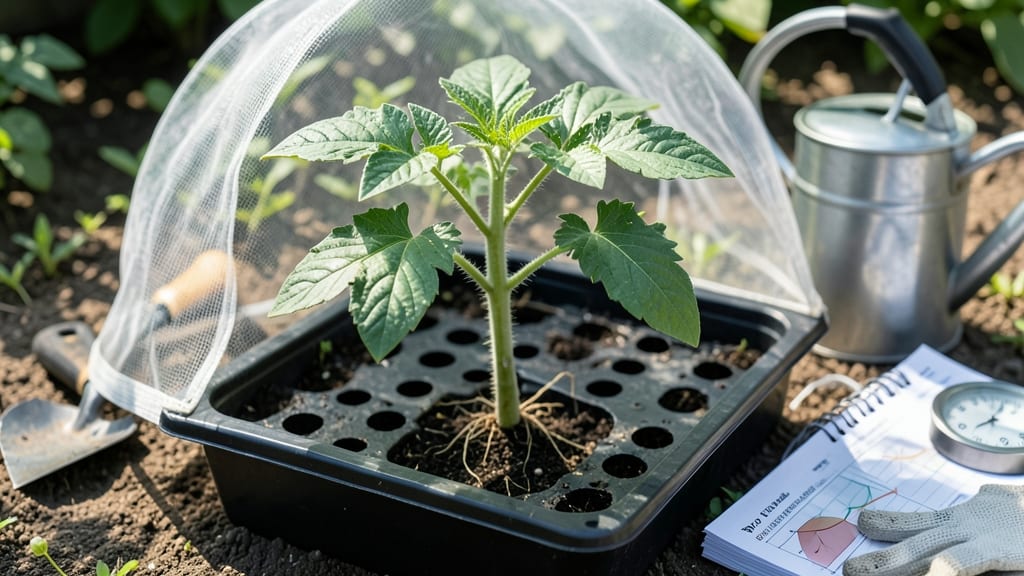
Harden off in gardening means preparing young plants for outdoor life by slowly introducing them to sunlight, wind, and temperature changes over 7-14 days, which toughens their stems and leaves for successful transplanting.
This process mimics what plants experience in nature, helping them adapt to real-world growing conditions. 🌱 Without hardening off, seedlings often wilt or struggle when moved directly from cozy indoor setups to harsh outdoor elements.
I've seen firsthand how plants that skip this step can take weeks to recover—or never bounce back at all. The key is gradual exposure, starting with just a few hours of shade and building up to full sun.
For best results, move plants to a sheltered spot during the day and bring them back inside at night for the first week. After that, you can extend their outdoor time while monitoring for stress signs like yellowing leaves.
Using shade cloth during peak sun hours helps prevent sunburn while still building resilience.
💡 In This Article
- Why Hardening Off Strengthens Seedlings Before Planting
- Step-by-Step Hardening Off Schedule for Healthy Transplants
Why hardening off strengthens seedlings before planting
When seedlings grow indoors under controlled conditions, their cell walls remain soft and delicate, adapted to stable temperatures and gentle light. Moving them directly outdoors can cause transplant shock, where the sudden exposure to UV rays, wind, and temperature swings overwhelms their systems.
Hardening off mimics nature's gradual transition, triggering the plant's natural stress responses that actually strengthen it. 🌱
The process works by gradually increasing light exposure, which boosts photosynthesis efficiency. Seedlings start with filtered sunlight and build tolerance to full sun, allowing their chlorophyll production to ramp up safely.
This adaptation prevents sunburn and helps the plant develop thicker cell walls—similar to how human skin tans gradually rather than burns under sudden sun exposure. The roots also strengthen as they adjust to outdoor moisture fluctuations.
Another critical mechanism involves stress hormones like abscisic acid, which plants produce in response to environmental challenges. When exposed gradually, these hormones help regulate water uptake and protect leaf tissues.
Without hardening off, seedlings may produce too much ethylene gas—a stress hormone that can stunt growth or even kill tender plants. I've seen tomato seedlings collapse within hours of direct outdoor planting without this preparation.
Temperature fluctuations play a key role too. Indoor seedlings often experience 50-70°F conditions, while outdoor nights can drop to 40°F or lower in many climates. Hardening off lets plants acclimate to these swings, preventing cold damage to leaves and stems.
The gradual process also helps roots develop stronger vascular connections, ensuring better nutrient and water transport after transplanting.
Think of it like preparing for a marathon. You wouldn't run 26 miles on day one—you build endurance gradually. Similarly, plants need time to adapt their metabolic processes.
Without this preparation, even robust seedlings can wilt dramatically, with leaves curling or turning yellow as they struggle to regulate moisture loss in the harsher outdoor environment.
One fascinating detail is how hardening off affects stomatal behavior—the tiny pores on leaves that control gas exchange. Gradual exposure helps plants regulate their stomata more efficiently, preventing excessive water loss while still allowing CO₂ intake for photosynthesis.
This balance is crucial for maintaining turgor pressure (the internal water pressure that keeps plants upright) during the transition.