
Size
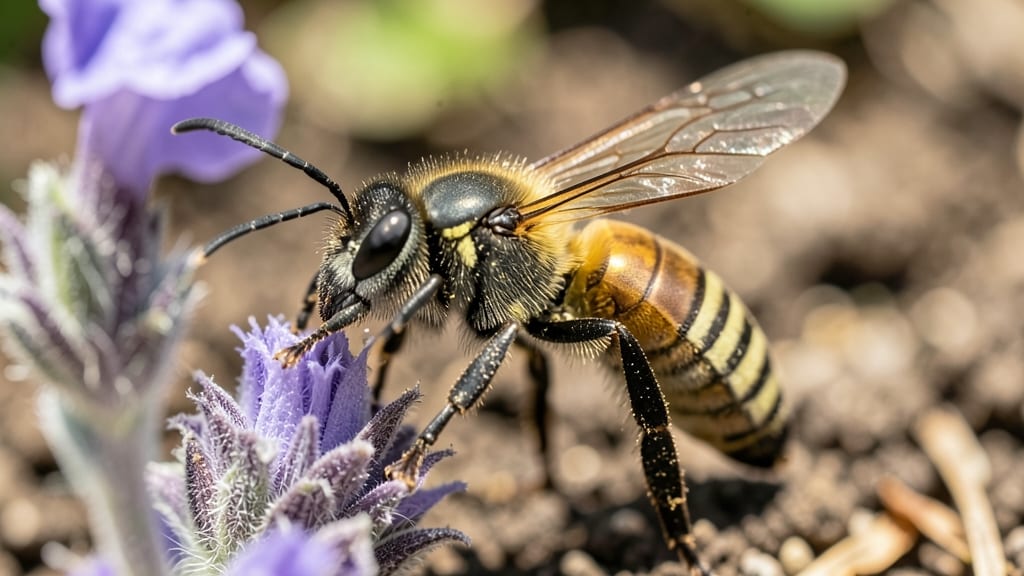
Wasps in a garden help grow healthy plants by hunting pests like caterpillars, aphids, and beetles, which keeps infestations under control. They also improve soil aeration through digging and pollinate certain plants like tomatoes and peppers, making them essential for a thriving garden ecosystem.
Wasps play multiple roles in garden health beyond just pollination. 🔥 Their predatory habits target destructive pests that would otherwise damage crops, saving gardeners time and money on chemical treatments.
For example, mud daubers specifically hunt caterpillars and beetles, while paper wasps tackle aphids—both of which can devastate plants if left unchecked.
The key is attracting the right species by providing nesting sites like mud tubes or leaving patches of bare ground, while avoiding the ones that raid food or sting frequently.
What many gardeners don't realize is that these beneficial wasps actually improve soil quality too. Their digging activities create small air pockets that help roots breathe better, especially in heavy clay soils.
Plus, their presence often means fewer chemical sprays, which protects other helpful insects like bees and ladybugs from harm. The balance they create makes gardens more resilient against pests naturally.
💡 In This Article
- How Wasps Act as Natural Pest Control Agents
- Encouraging Beneficial Wasps Without Inviting Nuisance Species
How wasps act as natural pest control agents
Wasps are the garden's silent sentinels, specializing in hunting soft-bodied pests that wreak havoc on plants. 🔥 For instance, mud daubers specifically target caterpillars—those fuzzy green monsters that can strip a tomato plant bare in days.
A single mud dauber wasp can paralyze and carry away 5-10 caterpillars per day, effectively culling populations before they reach outbreak levels. Their hunting strategy involves precise stings to the nervous system, leaving the prey alive but immobile for later feeding.
Their diet extends to beetle larvae hiding in soil, which they locate by following chemical trails. Paper wasps, another beneficial species, focus on aphids—those tiny green clusters that suck plant sap and spread viruses.
A colony of just 20 paper wasps can consume 5,000 aphids per day, preventing the need for chemical sprays that harm beneficial insects. What's fascinating is how these wasps distinguish between harmful pests and beneficial insects like bees or ladybugs, attacking only those that threaten plant health.
This predation creates a natural feedback loop: fewer pests mean healthier plants that require less water and fertilizer. 🌱 For example, in organic vegetable gardens where wasps are present, studies show 30-50% fewer tomato hornworms compared to gardens without them.
The wasps' hunting also reduces the need for synthetic pesticides, which can accumulate in soil and harm future harvests. Their work is particularly valuable in early summer when pest populations are at their peak.
What makes these predators even more effective is their teamwork. Social wasps like yellowjackets and paper wasps work in coordinated groups, with scout wasps locating food sources and recruiters communicating through pheromones.
This division of labor means they can respond quickly to sudden pest outbreaks, unlike solitary wasps that work alone. The result is a garden that stays in balance without human intervention.
Interestingly, wasps also help with plant reproduction beyond pollination. Some species like cicada killers pollinate plants like tomatoes and peppers by collecting nectar while transferring pollen between flowers.
Their digging activities create small air pockets in the soil, improving drainage and root growth—especially beneficial for heavy clay soils where roots often suffocate. This dual role makes them far more valuable than many gardeners realize.
However, not all wasps are equal in their benefits. While mud daubers and paper wasps are garden allies, species like yellowjackets and hornets primarily scavenge human food and can be aggressive.
The key difference lies in their diet: beneficial wasps hunt live prey, while nuisance species often feed on carrion or sugary substances. Understanding these distinctions helps gardeners attract the right species while minimizing conflicts.