
Planting
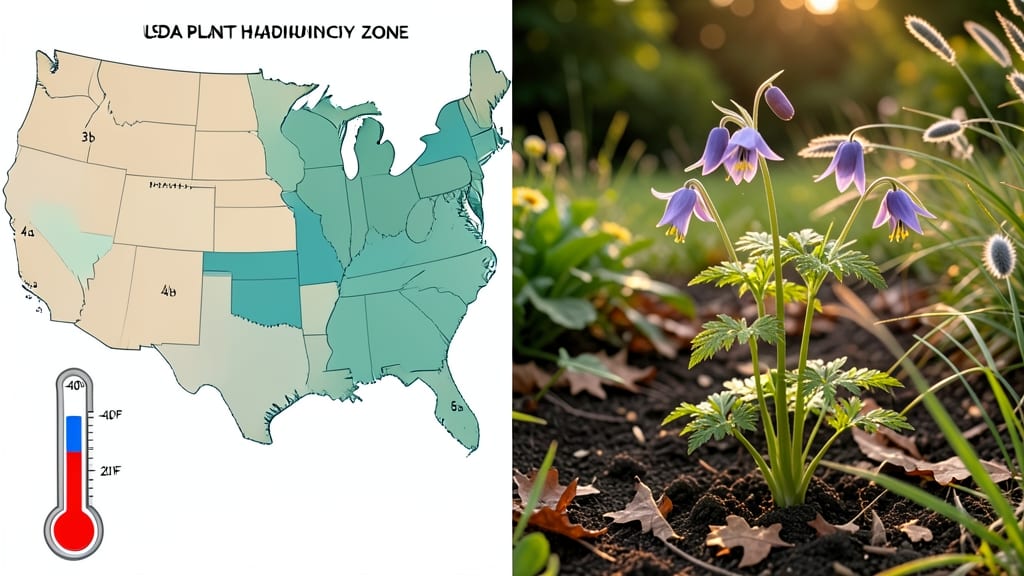
What gardening zone is Minnesota in? Minnesota falls within USDA Hardiness Zones 3 through 5, with northern areas like the Arrowhead Region in Zone 3 and southern regions near Rochester reaching Zone 5. These zones determine which plants can survive winter's lowest temperatures, from hardy perennials to frost-sensitive annuals.
Understanding Minnesota's gardening zones helps you choose plants that thrive in your specific area. The Zone 3 northern regions experience average minimum temperatures of -40°F to -30°F, while Zone 5 southern areas see -20°F to -10°F.
This variation means Zone 3 can handle conifers like Colorado blue spruce, while Zone 5 supports tender perennials like peonies. 🌿 Even within zones, microclimates—like urban heat pockets or lake-effect moderation—can shift frost dates by weeks, so always check your exact location on the USDA interactive map.
For practical gardening, this means northern Minnesotans should focus on cold-hardy vegetables like kale and potatoes, while southern gardeners can experiment with tomatoes and basil. The transition between zones also creates opportunities for extended growing seasons in sheltered microclimates, like south-facing slopes or near large bodies of water.
💡 In This Article
- USDA Hardiness Zones in Minnesota: Temperature Ranges and Plant Adaptations
- Minnesota Microclimates: How Local Conditions Affect Gardening Zones
USDA hardiness zones in Minnesota: temperature ranges and plant adaptations
The USDA Hardiness Zone system divides Minnesota into three distinct zones based on the average annual minimum temperature, which determines how cold plants can survive.
Zone 3 covers northern Minnesota, where winters regularly drop to -40°F to -30°F, while Zone 5 dominates the south, with milder lows of -20°F to -10°F.
Zone 4 acts as a transitional belt, where temperatures typically range from -30°F to -20°F. 🌡️ These thresholds reflect the 30-year average of the coldest winter temperatures, not individual extreme events.
Northern Minnesota's Zone 3 climate demands plants with extreme cold tolerance, such as Colorado blue spruce, Jack Pine, and wintergreen perennials that can survive 100+ days below freezing.
In contrast, Zone 5's milder winters allow for tender perennials like peonies, daylilies, and even roses that might struggle in Zone 3.
Vegetables also vary: Zone 3 gardeners focus on kale, potatoes, and cabbage, while Zone 5 can grow tomatoes, peppers, and squash with proper season extension.
What makes this transition fascinating is how plant hardiness correlates with growing degree days—a measure of heat accumulation during the growing season. Zone 5 areas accumulate 2,500-3,000 degree days, while Zone 3 only reaches 1,500-2,000, limiting the types of warm-season crops that can mature.
This explains why corn and beans are rare in Zone 3 but common in Zone 5. The last spring frost also shifts dramatically: Zone 3 may see frost as late as June 15, while Zone 5 averages May 15.
For gardeners, this means Zone 3 plants need deep root systems and waxy leaf coatings to prevent frost damage, while Zone 5 varieties can have thinner leaves and earlier blooming cycles.
Even within zones, elevation plays a role: Hilltops can be 2-5°F colder than valleys, creating microclimates where Zone 4 plants might thrive in a Zone 5 area. 🏔️ Understanding these nuances helps explain why a garden in Duluth (Zone 3) might struggle with hydrangeas while one in Rochester (Zone 5) grows them effortlessly.
Practical application comes down to plant labels. Always check the USDA Zone range on seed packets or nursery tags—if a plant is rated for Zones 4-8, it won't survive Zone 3 winters.
For example, Russian sage (Zone 4-9) might die back in Zone 3 but bounce back in Zone 4. The key is matching your zone to the lowest temperature tolerance of the plant, not just its preferred climate.
One often-overlooked factor is soil temperature, which can lag behind air temperature by weeks. In Zone 3, soil may stay below 50°F until June, delaying planting of cool-season crops like spinach or carrots.
Meanwhile, Zone 5 soils warm up by mid-April, allowing earlier starts. This is why row covers and cold frames are essential tools for Zone 3 gardeners extending their growing season.
For those new to Minnesota gardening, start with native plants—they've evolved to thrive in these extremes. Wild bergamot (Zone 3-9) and butterfly weed (Zone 3-9) are excellent choices for low-maintenance, cold-hardy landscapes.
And remember: Zone 4 is the Goldilocks zone for many plants, offering a balance between hardiness and productivity. 🌱