
Tools
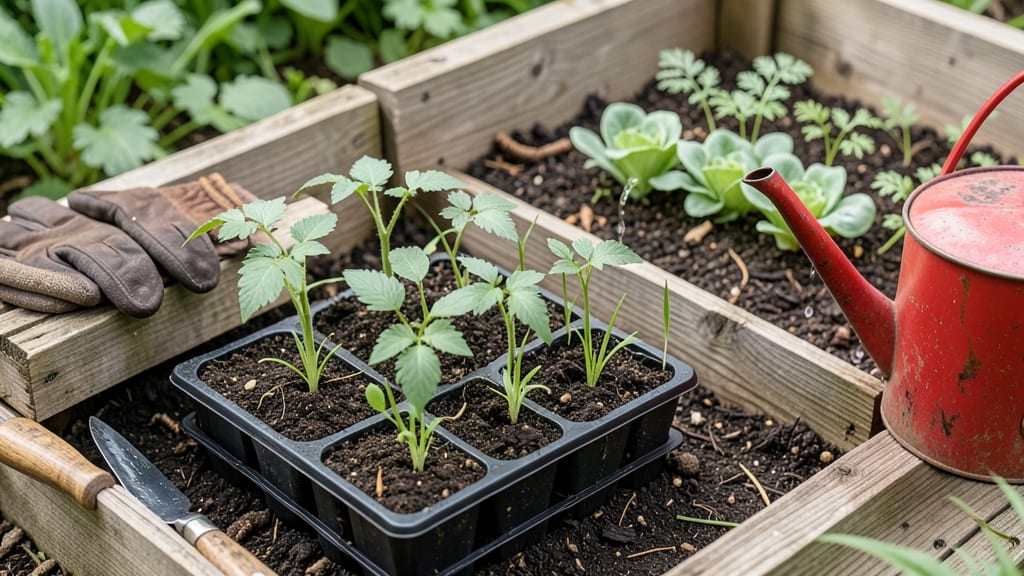
Garden soil is used for nourishing plants with vital nutrients, ensuring proper drainage and root stability, while its organic content enhances moisture retention and supports beneficial microbial life for sustained growth.
Garden soil isn't just dirt—it's a dynamic ecosystem that fuels plant health. 🌱 The right mix of minerals, organic matter, and microbes creates the perfect foundation for roots to spread and absorb water efficiently. For example, vegetables like tomatoes thrive in nutrient-rich loam, while succulents need fast-draining sandy blends.
I've found that amending clay-heavy soil with compost can transform it into a powerhouse for flowers and herbs within just a few months.
Beyond basic growing, garden soil also plays a key role in pollution control by filtering rainwater and carbon sequestration through its organic components. Whether you're a beginner or seasoned gardener, understanding your soil's unique properties—like pH levels or texture—lets you customize care for maximum yields and plant vitality.
💡 In This Article
- How Garden Soil Composition Supports Plant Growth
- Best Garden Soil Types for Different Plants and Gardens
How garden soil composition supports plant growth
Garden soil isn't just a growing medium—it's a complex ecosystem where physical, chemical, and biological processes work together. The organic matter (like decomposed leaves or compost) acts like a sponge, holding up to 25% more water than mineral soil while providing slow-release nutrients through microbial breakdown.
This organic layer also creates tiny air pockets that help roots breathe, especially critical during rapid growth phases like when seedlings transition to larger pots.
The three primary nutrients—nitrogen (N) for leafy growth, phosphorus (P) for root development, and potassium (K) for disease resistance—are cycled through this system. For instance, a single tablespoon of compost can contain billions of beneficial bacteria that convert organic material into plant-available forms.
The soil's pH balance (ideally 6.0-7.0 for most plants) determines how efficiently roots can absorb these nutrients—too acidic or alkaline, and essential minerals like iron or calcium become locked away.
Texture plays a crucial role in how water and air move through soil. Sandy soils drain quickly but dry out fast, making them ideal for drought-tolerant plants like lavender, while clay soils hold moisture but can suffocate roots when compacted.
The perfect middle ground is loamy soil, which combines sand, silt, and clay in roughly equal parts—this structure allows roots to spread easily while maintaining adequate moisture. Think of it like a well-aerated sponge that both holds and releases water precisely when plants need it.
Microbial activity is where the magic happens. A single teaspoon of healthy garden soil contains more organisms than there are people on Earth! These microbes form symbiotic relationships with plant roots, particularly through mycorrhizal fungi that extend the root system by up to 100 times, dramatically increasing nutrient uptake.
Without this microbial network, even the richest soil would struggle to support vigorous plant growth over time.
Consider how soil composition affects your favorite plants: Tomatoes need nutrient-dense loam to produce heavy fruit, while blueberries thrive in acidic peat-based mixes (pH 4.5-5.5) that sandy soil simply can't provide.
The right soil structure also prevents common issues like root rot (from poor drainage) or nutrient deficiencies (from improper pH). For example, adding 1-2 inches of compost annually can maintain soil fertility for years without chemical inputs.
What most gardeners overlook is how soil temperature affects plant performance. Cooler soils (below 50°F) slow microbial activity, delaying nutrient availability, while overheated soils (above 90°F) can kill beneficial organisms.
Mulching with straw or wood chips helps regulate temperature by insulating the soil while gradually breaking down to enrich it—this dual benefit makes mulch one of the most underrated soil amendments.
Understanding these soil dynamics lets you troubleshoot plant problems before they start. Yellowing leaves often signal nitrogen deficiency, while wilting despite moist soil may point to poor drainage from compacted clay.
By testing your soil's composition (available for $20-$30 through local extension services), you can create the perfect growing conditions tailored to your plants' specific needs.