
Picking
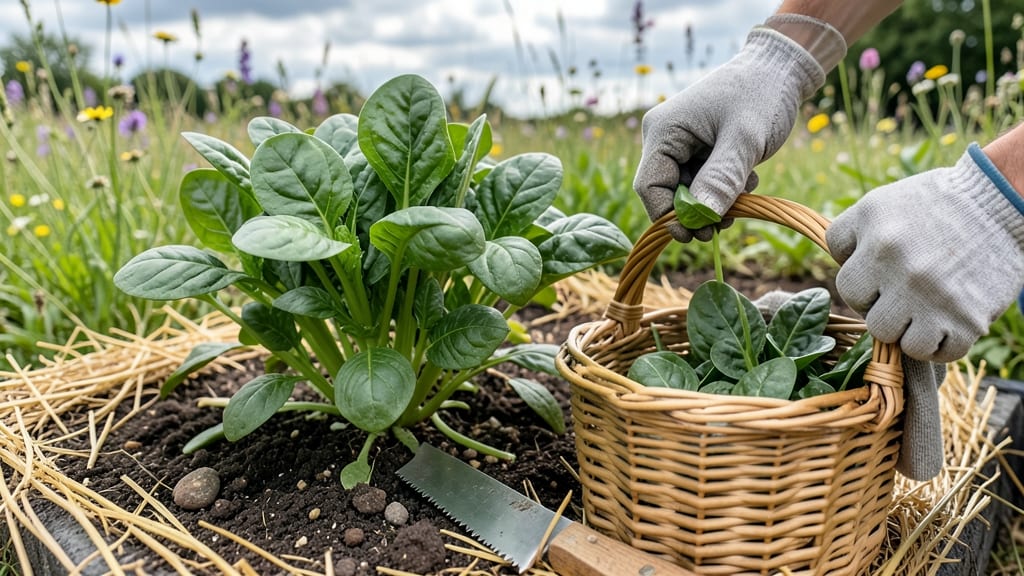
You know when to pick spinach from your garden by checking for 4-6 inch leaves that are dark green, tender, and fully expanded—harvesting too early or late ruins that perfect crisp, sweet flavor you’re after.
Picture this: you’re reaching for a handful of 🥬 spinach, and instead of the fresh bite you expected, you’re left with tough, bitter leaves that taste like cardboard. That’s what happens when you wait too long—or pick too soon.
Timing matters because spinach bolts (goes to seed) fast in warm weather, turning sweet leaves into bitter stalks. In Zone 6a, spring is your best bet for tender harvests, but even then, you’ve got a narrow window between 4-6 weeks after planting and the first signs of flowering.
Below, I’ll walk you through the exact cues to watch for—leaf size, texture, and even the time of day to harvest—so you never miss the sweet spot. Plus, I’ll share how to keep your spinach producing for weeks after the first pick.
How to identify perfectly ripe spinach for harvesting
Knowing when to pick spinach from your garden is all about reading the plant’s signals. Spinach is ready when its leaves reach 4-6 inches and feel tender—not woody. Harvesting at the right time ensures peak flavor and nutrition, while waiting too long can turn your greens bitter or tough.
The key is checking for dark green color, crisp texture, and proper leaf size every few days.
Spinach leaves grow in a rosette pattern, with the outer leaves maturing first. These are your baby leaves, perfect for harvesting when they’re just 2-3 inches long. If you wait too long, the plant may bolt (send up a flower stalk), making the leaves bitter and inedible.
Always prioritize outer leaves first to encourage ongoing growth from the center.
| Stage | Leaf Size | Color | Texture | Harvest Ready? |
|---|---|---|---|---|
| Baby Leaves | 2-3 inches | Bright green | Tender, soft | ✅ Yes |
| Mature Leaves | 4-6 inches | Dark green | Crisp, not woody | ✅ Yes |
| Overgrown | 6+ inches | Yellowing or red | Tough, fibrous | ❌ No (bolt risk) |
| Pale Leaves | Small, sparse | Light green/yellow | Soft, limp | ❌ No (nutrient deficiency) |
One of the most reliable visual cues for spinach readiness is leaf color. Dark green leaves indicate maturity, while pale or yellowing leaves signal stress—often from too much sun or drought.
If your spinach leaves start developing a red or purple tint, it’s a sign the plant is reacting to heat or cold stress, which can also affect flavor. Always harvest in the morning after watering for the freshest, crispest leaves.
Don’t overlook the tactile test when checking spinach maturity. Run your fingers gently over the leaves—ripe spinach feels crisp but tender, almost like fresh lettuce. If the leaves feel woody or fibrous, they’ve passed their prime.
Overly tough leaves often mean the plant is bolting or stressed, so act quickly to harvest before quality declines. This test works best on outer leaves, which mature first.
For baby spinach varieties, like 'Baby’s Leaf Hybrid,' you can start harvesting as early as 30 days after planting. These varieties stay tender and sweet even when small. In contrast, mature spinach varieties, such as 'Giant Winter,' may take 45-60 days to reach ideal size.
Always check the seed packet for specific variety guidelines, as harvest times can vary slightly. Pro tip: Harvest baby leaves every 7-10 days to encourage continuous production.
Regional climate plays a role in spinach maturity. In cooler climates (USDA Zones 3-6), spinach often bolts faster in late spring when days lengthen. To delay bolting, use shade cloth or succession planting every 2 weeks for a continuous harvest.
In warmer climates (Zones 7-10), focus on fall planting to avoid heat stress. Always monitor your spinach’s growth rate and adjust harvesting timing based on local weather patterns.
If your spinach plant has 5-6 mature leaves but the center leaves are still small, you can harvest the outer leaves first to allow the inner ones to grow. This method, called cut-and-come-again harvesting, extends your spinach’s productive life by 3-4 weeks.
Just avoid removing more than 1/3 of the plant at once to prevent stress. For a full harvest, cut the entire plant about 1 inch above the soil when most leaves are mature.
One common mistake is waiting until spinach leaves are too large or bitter. Always prioritize smaller, frequent harvests over one big cut. This approach keeps your spinach productive, flavorful, and less likely to bolt.
For the best results, harvest in the early morning when leaves are fully hydrated and packed with nutrients. Store harvested spinach in the fridge for up to 5 days or blanch and freeze for long-term use.
Remember, spinach is a cool-season crop, so timing your harvest around spring and fall ensures the best flavor. In summer, focus on shade-loving varieties like 'Malabar' to avoid bolting.
By mastering these visual and tactile cues, you’ll always know exactly when to pick spinach for the freshest, most delicious greens straight from your garden. 🥬
Best harvesting techniques to preserve spinach flavor and growth
Once your spinach plants reach maturity, knowing when and how to harvest makes all the difference. The right technique ensures tender leaves and encourages continuous regrowth—so you can enjoy fresh spinach all season.
Start by harvesting the outer leaves first, leaving the inner ones to keep growing. This method, called cut-and-come-again, maximizes your yield while keeping the plant healthy.
For baby spinach, aim to harvest when leaves reach 3-4 inches long and are fully tender. Mature leaves should be 4-6 inches with a deep green color. If you wait too long, the leaves may become bitter or tough, ruining their delicate flavor.
Always use clean pruners or scissors to avoid damaging the plant, and cut just above a leaf node to promote new growth.
⚠️ When NOT to Harvest Spinach
Harvesting at the wrong time can stress your plant or ruin its flavor. Avoid picking spinach when:
- Leaves are pale or yellowish (sign of nutrient deficiency or disease).
- Temperatures exceed 80°F (spinach bolts and becomes bitter).
- Leaves feel woody or fibrous (indicates overmaturity and poor taste).
- Plant shows signs of pests (like holes or discoloration).
To encourage regrowth after harvesting, always leave at least 3-4 inner leaves on the plant. Water thoroughly before and after harvesting to reduce stress. If your spinach starts to bolt (send up a flower stalk), it’s time to harvest the entire plant before seeds form—this ensures the best flavor.
Bolting often happens in hot weather or when days get longer, so plan your harvests accordingly.
One common mistake is plucking leaves by hand instead of cutting them. This can damage the stem and slow regrowth. Instead, use sharp scissors or pruners to make clean cuts.
Another tip: Harvest in the morning after dew dries for the freshest, crispiest leaves. This timing also helps prevent fungal diseases, which thrive in damp conditions.
If you’re growing spinach in containers or small gardens, space out your harvests to avoid overcrowding. Overcrowded plants produce smaller, less flavorful leaves. Thin seedlings to 2-3 inches apart early on, and continue harvesting outer leaves to maintain airflow.
This reduces the risk of fungal diseases like downy mildew, which can devastate your crop if left unchecked.
For a continuous harvest, succession plant spinach every 2-3 weeks throughout the growing season. This ensures you always have fresh leaves ready to pick. Store harvested spinach in the fridge for 5-7 days or blanch and freeze for long-term use.
With the right techniques, your spinach plants can keep producing tender, flavorful leaves for weeks—giving you a steady supply of homegrown goodness. 🥬