
Planting
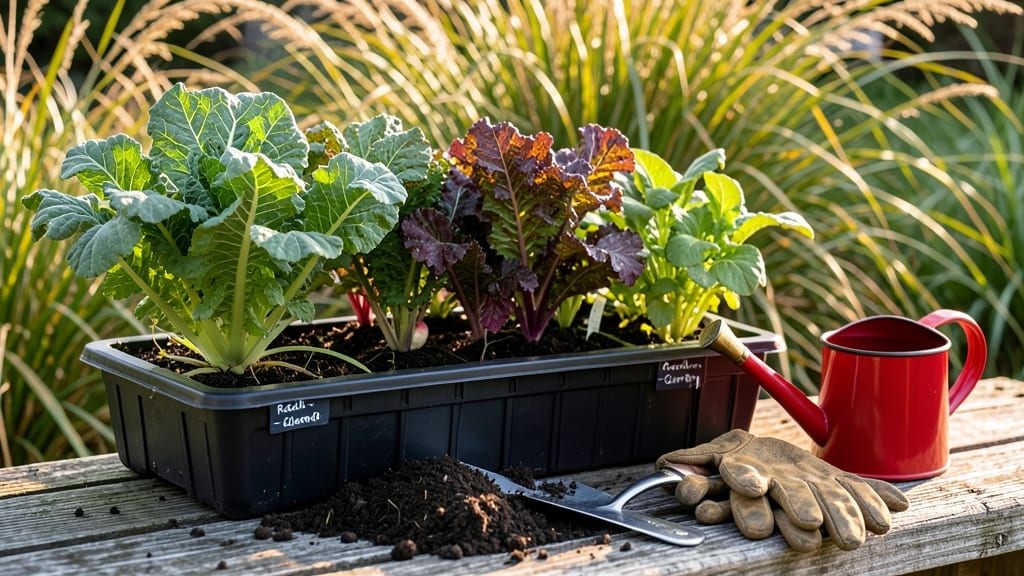
Planting a fall garden in Zone 7 starts with the right timing — aim for mid-summer to early August when soil warmth still fuels fast growth but before the first frost sneaks in.
Missed your spring planting window? Don’t worry—Zone 7’s mild climate lets you grow a thriving fall garden, but timing is everything to avoid frost damage and maximize harvests. One wrong move, and you’re left with bolted greens or stunted roots before the first chill.
Here’s the key: soil temperatures between 50–70°F create the perfect window for cool-season crops like kale, carrots, and broccoli to thrive. Too early, and they’ll bolt; too late, and frost will nip them before maturity.
Below, I’ll break down the exact dates for your region, the fastest-growing crops to plant, and how to stretch your harvest into winter with simple tricks. No more wasted seeds or empty beds—just a garden that keeps giving.
Zone 7 fall planting timeline: exact dates for soil warmth and frost-free growth
Zone 7 gardeners enjoy a second planting season when temperatures cool but stay warm enough for growth. The ideal soil temperature for fall crops ranges from 50°F to 70°F, while first frost dates vary between November 15 and December 15 depending on your location.
Timing your plantings to these temperature thresholds ensures healthy growth and frost-free harvests.
Northern Zone 7 (e.g., St. Louis, MO or Pittsburgh, PA) typically has earlier frosts (around November 15), while Southern Zone 7 (e.g., Atlanta, GA or Raleigh, NC) can extend planting until mid-December. Use these month-by-month guidelines to align your fall garden timeline with your local climate.
Soil temperature is critical for seed germination. Use a soil thermometer to confirm 50°F+ readings before planting. Most fall crops thrive in 55°F to 65°F soil, while cool-season greens like kale tolerate 45°F+ soil. Adjust your schedule if your region experiences unusually warm or cool autumns.
For Northern Zone 7, prioritize fast-maturing varieties (30-60 days) after September 15 to avoid frost. Southern Zone 7 gardeners have more flexibility, with October plantings often yielding harvests before December frosts. Always check your local frost dates—they can shift 1-2 weeks based on weather patterns.
Use succession planting to extend harvests. For example, sow radishes every 2 weeks from September to October for continuous harvests. Leafy greens like spinach and kale actually sweeten with frost, so plant them 4-6 weeks before your average first frost for optimal flavor.
Soil preparation is half the battle. Before planting, amend your soil with 2-3 inches of compost to improve fertility and moisture retention. Mulch with straw after planting to insulate roots and maintain consistent soil temperatures.
This is especially important in Northern Zone 7, where nights get colder faster.
Don’t overlook microclimates in your garden. South-facing beds stay warmer longer, while low-lying areas may frost earlier. Plant frost-sensitive crops like peppers or tomatoes in these warmer microclimates to extend their growing season. Use frost cloth on sensitive plants when nighttime temps drop below 40°F.
Plan for harvest timing by calculating days to maturity from your planting date.
For instance, if you plant broccoli on September 1 with a 60-day maturity, harvest before October 30. Root crops like carrots can tolerate light frosts, so plant them 6-8 weeks before your expected first frost for a winter harvest.
Remember: Zone 7’s fall garden is all about balance. Plant warm-season crops early, cool-season crops late, and always monitor soil temperatures. With this precise timeline, you’ll enjoy fresh harvests well into November or December—long after your neighbors have packed up their gardens.
Best fast-growing fall vegetables for Zone 7: cool-season crops that thrive before frost
Fall gardens in Zone 7 are a gardener's secret weapon—packed with nutrient-dense vegetables that grow quickly before the first frost. The key? Choosing fast-maturing varieties that tolerate cooler temps while delivering big harvests. With 60-75 days to maturity, these crops let you enjoy fresh produce even as temperatures drop.
Leafy greens like spinach and kale thrive in cool weather, while broccoli and carrots mature quickly without bolting. Root crops such as radishes (ready in just 25 days) and turnips add variety to your fall table. The right mix ensures a steady harvest from late summer through early winter.
Here’s my curated list of top-performing fall vegetables for Zone 7, ranked by speed, frost tolerance, and ease of growth:
🌱 Days to harvest: 30-40 | Frost tolerance: High | Planting window: Aug 15–Sept 15
🌱 Days to harvest: 25-30 | Frost tolerance: Very High | Planting window: Aug 1–Oct 1
🌱 Days to harvest: 50-60 | Frost tolerance: Extreme | Planting window: July 20–Aug 30
🌱 Days to harvest: 60-75 | Frost tolerance: Moderate | Planting window: July 15–Aug 15
🌱 Days to harvest: 65-70 | Frost tolerance: Moderate | Planting window: July 1–Aug 10
For leafy greens, I recommend spinach and lettuce varieties like 'Black Seeded Simpson'—they bolt slower in cooler temps. Brassicas such as kale and broccoli actually sweeten after a light frost, making them perfect for fall.
Root crops like radishes and turnips mature fast, giving you quick wins before winter sets in.
Pro tip: Pair fast growers like radishes with slower crops like carrots. Plant radishes first (they’re ready in 3 weeks), then follow with carrots to maximize space.
Succession planting every 2 weeks ensures a continuous harvest until frost. Just remember—soil temps below 50°F slow germination, so aim to plant when soil is still warm.
With the right mix, your Zone 7 fall garden can outproduce spring plantings—just don’t wait too long! Start seeds indoors for broccoli and kale 4-6 weeks before your last frost date, then transplant outdoors for a head start. Happy growing!