
Planting
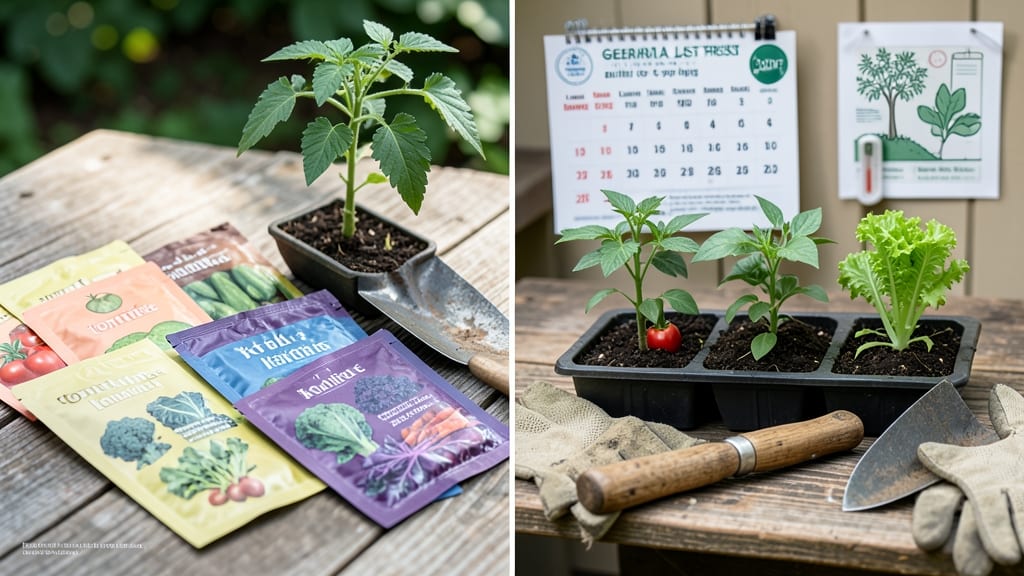
Planting a garden in Georgia means timing it right between frost dates and summer heat — the difference between a thriving harvest and a wasted effort.
Picture this: you’ve cleared the soil, ordered seeds, and are ready to dig in, only to watch your seedlings wilt under a late frost or bolt in the early heat. Georgia’s diverse climate zones demand precision, not guesswork.
From North Georgia’s cooler springs to South Georgia’s long summers, knowing when to start your garden ensures you pick the best varieties and avoid common pitfalls like stunted growth or pest outbreaks.
Here’s your breakdown of ideal planting windows by region, heat-tolerant crops that thrive in Georgia’s summers, and how to stretch your growing season for year-round success.
Georgia’s frost dates & ideal planting windows by county
Georgia’s diverse climate zones mean your planting schedule should vary depending on whether you’re in North Georgia’s cooler mountains or South Georgia’s humid lowlands. Understanding your local frost dates is crucial—planting too early can kill tender seedlings, while waiting too long may shorten your harvest window.
Let’s break down the ideal planting windows for cool-season and warm-season crops across Georgia’s three main regions.
North Georgia (USDA Zones 6b-7a), including counties like Fannin, Gilmer, and Dawson, typically sees its last spring frost around April 15 and first fall frost around October 15.
This shorter growing season favors cool-season crops like broccoli and peas in early spring and late summer, while warm-season crops like tomatoes and peppers need to go in after mid-April.
Central Georgia (Zones 7b-8a), covering Metro Atlanta and middle Georgia counties, enjoys a longer window with last frosts around March 20–April 5 and first frosts around October 20–November 5.
Here, you can extend your harvest by planting cool-season crops in early spring and late summer, while warm-season crops thrive from mid-April through September.
South Georgia (Zones 8a-9a), including Colquitt, Thomas, and Grady counties, has the longest growing season—last frosts around March 1–March 15 and first frosts around November 15–December 1.
This region is perfect for year-round gardening, with warm-season crops like okra and sweet potatoes planted as early as February and cool-season crops like lettuce surviving until December.
| Region | Last Frost | First Frost | Cool-Season Planting | Warm-Season Planting |
|---|---|---|---|---|
| North Georgia | April 15 | October 15 | March–April, Sept–Oct | April 15–May 15 |
| Central Georgia | March 20–April 5 | October 20–Nov 5 | Feb–March, Aug–Sept | April 1–June 1 |
| South Georgia | March 1–March 15 | Nov 15–Dec 1 | Jan–Feb, Sept–Oct | Feb 15–July 15 |
For microclimates, like valleys or urban heat islands, adjust your planting by 1–2 weeks. For example, Dahlonega in North Georgia may see frosts a week later than Gainesville, while Savannah’s coastal warmth allows earlier plantings than inland Macon.
Always check your local extension office for precise data—every year varies!
Cool-season crops like kale, spinach, and carrots should be sown 4–6 weeks before your last frost.
In North Georgia, that’s early March, while South Georgia gardeners can start as early as January. Warm-season crops, such as peppers, cucumbers, and squash, need soil temperatures above 60°F—wait until mid-April in North Georgia or February in South Georgia.
Succession planting is key in Georgia’s long growing season. After harvesting early spring lettuce, replant with summer heat-tolerant greens like Swiss chard. Similarly, pull out late-summer tomatoes and replace them with fall broccoli or radishes for a continuous harvest. This technique maximizes your garden’s potential and reduces waste.
Don’t forget to harden off seedlings before transplanting! Gradually expose them to outdoor conditions over 7–10 days to prevent shock. For container gardens, follow the same frost date guidelines but be mindful of heat stress
Pro tip: Use frost cloth to extend your season. In North Georgia, it can protect tender plants until May 1, while South Georgia gardeners might use it to delay fall frosts until December 15. Combine this with mulching to keep soil temperatures stable and conserve moisture. Georgia’s diverse climate means your garden can thrive year-round with the right planning. By aligning your planting schedule with your local frost dates and adjusting for microclimates, you’ll enjoy a bountiful, stress-free harvest from spring to fall—and even winter in the South! 🌱
Best heat-tolerant vegetables for Georgia’s summer garden
Georgia’s scorching summers can challenge even the hardiest gardeners, but with the right heat-tolerant vegetables, you can enjoy a thriving garden from June through October. These varieties not only survive but thrive in 90°F+ temperatures and high humidity, making them perfect for Georgia’s climate.
The key is selecting plants that love the heat and providing proper care to maximize yields.
When planning your summer garden layout, focus on vegetables that can handle Georgia’s intense sun and occasional drought. Many of these plants also have the added benefit of disease resistance in hot, humid conditions.
From leafy greens to root crops, there’s a wide range of options that will keep your garden productive even when the thermometer climbs.
🌱 Pro Tip: Always pair heat-tolerant plants with mulch to retain moisture and companion plants that improve growth. For example, planting okra near basil can deter pests naturally while enhancing flavor.
- 🌿 Okra – Thrives in heat, drought-tolerant, and produces pods from July to frost. Plant after last frost in well-draining soil with full sun.
- 🍠 Sweet Potatoes – Loves Georgia’s heat and humidity. Start slips in May-June in loamy soil with 6+ hours of sun.
- 🌻 Black-Eyed Peas – Heat-resistant and great for companion planting. Sow seeds in April-May in sandy loam with partial shade in peak summer.
- 🥬 Collard Greens – Flourishes in heat and drought conditions. Plant in early spring or late summer for fall harvests in full sun.
- 🌶 Peppers (Hot & Sweet) – Heat-loving and productive. Transplant seedlings in May-June in rich, well-draining soil with full sun.
- 🥔 Yams – Perfect for Georgia’s heat and humidity. Plant slips in May-June in sandy loam with full sun.
- 🍆 Eggplant – Loves heat and produces abundantly. Start seeds indoors in March and transplant after last frost in well-draining soil.
- 🥕 Carrots (Heat-Tolerant Varieties) – Choose Danvers or Nantes types. Sow seeds in late summer for fall harvests in loamy soil with partial shade.
- 🌽 Southern Peas (Cowpeas) – Drought-resistant and nitrogen-fixing. Plant seeds in April-May in sandy soil with full sun.
- 🍅 Tomatoes (Heat-Set Varieties) – Choose heat-tolerant hybrids like 'Solar Fire' or 'Heatmaster'. Transplant after last frost in rich, well-draining soil with stakes or cages.
For soil preparation, Georgia’s heat means your soil can dry out quickly. Amend it with compost or aged manure before planting to improve moisture retention. Mulching with straw or pine needles helps keep roots cool and reduces water evaporation.
Water deeply in the early morning to prevent fungal diseases that thrive in humid conditions.
Companion planting is another game-changer for your heat-tolerant garden. For example, okra pairs well with corn and squash, while peppers benefit from being near basil or onions. This not only improves growth but also deters pests naturally, reducing the need for chemical interventions.
With these heat-loving vegetables and proper care, your Georgia summer garden can be just as productive as your spring or fall plantings. Start experimenting with these varieties this season, and you’ll be rewarded with a bountiful harvest even when the sun is at its peak! ☀️