Planting
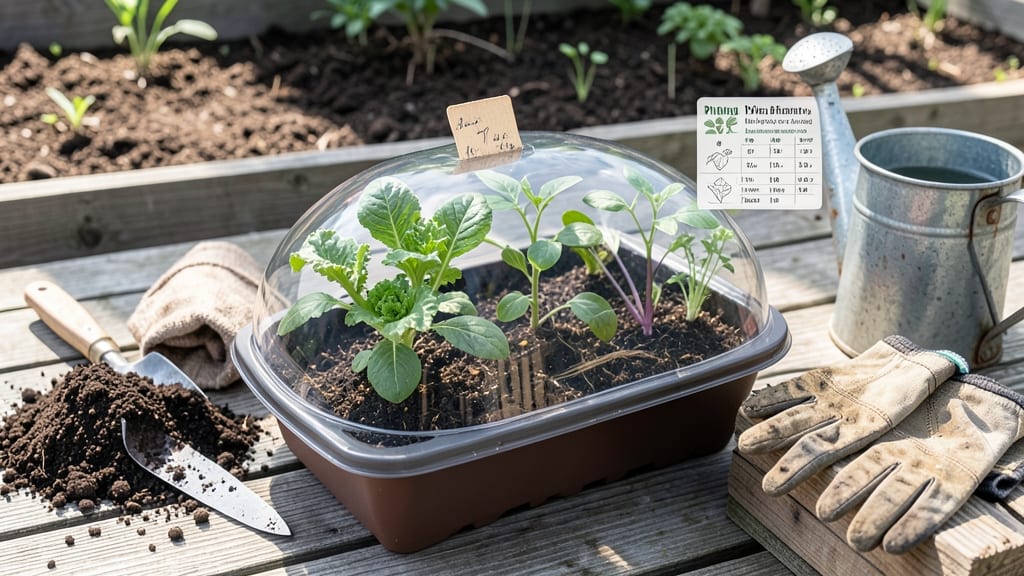
To plant a vegetable garden in New York, timing your crops to the last frost date—April 15 in NYC but as late as May 10 in Buffalo—is the key to avoiding frost damage and maximizing yields.
New York’s unpredictable climate can make or break your vegetable garden—plant too early, and frost will wipe out your seedlings; too late, and you’ll miss peak harvests. Timing is everything, and knowing your zone’s frost dates is the secret to a thriving garden.
Cool-season crops like lettuce and peas thrive when planted 4-6 weeks before your last frost, while warm-season favorites such as tomatoes and peppers need to wait until 2-3 weeks after the danger has passed.
Fall planting follows the opposite rule: start warm-season crops in July to harvest before the first frost hits.
In this guide, I’ll break down the exact planting windows for your zone, share region-specific tips for Upstate vs. NYC gardeners, and even show you how to stretch your season with row covers and cold frames. No more guesswork—just perfect timing for your 🥬 garden.
New York frost dates by planting Zone: key deadlines for spring and fall
New York spans USDA Zones 5a-7b, creating dramatic differences in frost dates from Albany’s Zone 5b to Long Island’s Zone 7b. These variations mean your last spring frost could arrive weeks earlier in the southern tier than in the Adirondacks.
Understanding your exact zone helps you avoid frost damage to tender seedlings or missing the window for warm-season crops like tomatoes.
For example, New York City (Zone 7a) typically sees its last frost around April 15, while Buffalo (Zone 6b) holds onto frost until May 10. Similarly, first fall frosts arrive in late October in the north but linger until mid-November in NYC.
These dates determine whether you can grow cold-hardy kale through winter or must rush to harvest peppers before October’s chill.
Here’s how to use these dates: Cool-season crops like spinach and peas thrive when planted 4-6 weeks before your last frost, while warm-season crops such as cucumbers and beans need to wait 2-3 weeks after. Missing these windows can mean bolted lettuce or stunted tomatoes.
🌱
To find your exact frost dates, check the USDA Plant Hardiness Zone Map or use the Cornell University Garden Resources tool.
For urban gardeners in Zone 7a, this means you can start spinach indoors in February, while rural gardeners in Zone 5b should wait until mid-March to avoid frost.
Pro tip: Use row covers to extend your spring planting window by 2-3 weeks. For example, in Zone 6b, you can plant broccoli in early April under frost cloth, giving you a head start before the last frost on May 10.
Similarly, in Zone 7a, covers let you grow cucumbers until October 1 instead of September 15.
Fall planting is equally critical. In Zone 5a, you have only until August 15 to sow kale and carrots for a fall harvest, while Zone 7b gardeners can push the limit to September 15.
Always account for maturity days: a 60-day carrot planted on August 1 in Zone 6a will be ready by October 1, just before the October 15 frost.
For warm-season crops like tomatoes and peppers, wait until soil temperatures reach 60°F. In Zone 6b, this typically happens by May 15, while Zone 7a can start as early as April 25.
Use a soil thermometer to confirm—cold soil stunts root growth, even if air temps are warm.
🌿
Remember: Microclimates matter. A south-facing wall or urban heat island
Best vegetables to plant in New York by season: month-by-month guide
New York’s diverse climate—from the cool mountain air of the Catskills to the humid summers of Long Island—means your vegetable garden can thrive year-round with the right timing.
I’ve grown heirloom tomatoes in Brooklyn and fingerling potatoes in the Hudson Valley, and the difference between a bountiful harvest and a disappointing one often comes down to when you plant. This month-by-month guide aligns with New York’s frost-free growing seasons, ensuring you maximize your garden’s potential.
For cool-season crops, like kale and spinach, start early in March or April—they’ll tolerate light frosts and even flourish in 50°F soil.
Meanwhile, warm-season vegetables, such as tomatoes and peppers, need to wait until after the last frost date, typically mid-to-late May depending on your zone. Succession planting is key: sow lettuce every 2 weeks in spring and plant beans in batches to stretch your harvest.
- March: Cold-hardy greens like spinach, kale, and peas—plant under row covers to protect from late frosts. Onion sets and potatoes can also go in early.
- April: Lettuce, radishes, and carrots thrive in 50-60°F soil. Start broccoli and cabbage indoors for transplanting after frost risk passes.
- May: Warm-season stars like tomatoes, peppers, and cucumbers go in after last frost. Green beans and corn love the warm soil this month.
- June: Succession plant bush beans and zucchini every 2 weeks. Herbs like basil flourish in the heat—plant near tomatoes for pest control.
- July: Fall crops like kale and carrots can start now for harvest before first frost. Sweet potatoes thrive in warm soil—plant slips in late July.
- August: Plant fast-growing greens like spinach and arugula for fall harvests. Garlic can be planted in late August for next year’s crop.
- September: Extend the season with cold frames or row covers for broccoli and Brussels sprouts. Winter squash matures quickly in cool weather.
New York’s fall harvests are my favorite—crisp apples, hearty kale, and late-season tomatoes taste sweeter after the first frost. For urban gardeners in NYC, focus on compact varieties like bush beans and cherry tomatoes, while Upstate gardeners can grow larger crops like pumpkins and corn.
Always check soil temperatures (use a soil thermometer)—cool-season crops need 45-55°F soil, while warm-season crops thrive at 60°F+.
Pro tip: Mulch heavily in late summer to insulate soil and preserve moisture for fall plantings. I’ve seen fall kale survive until December with just a thick layer of straw mulch.
And don’t forget succession planting—by staggering lettuce and radish sowings every 2 weeks, you’ll have continuous harvests all season.
Regional favorites like Adirondack blue potatoes and Brandywine tomatoes are worth seeking out—they’re heirloom varieties adapted to New York’s climate. For container gardening, prioritize determinate tomatoes, bush beans, and dwarf peppers—they’re perfect for balconies and small spaces.
With this schedule, you’ll avoid the common mistakes of planting too early or too late, and instead, reap a garden bursting with flavor.
Happy planting! Remember, even in New York’s unpredictable weather, a well-timed garden can be rewarding beyond measure. 🌱🍅🥔