Planting
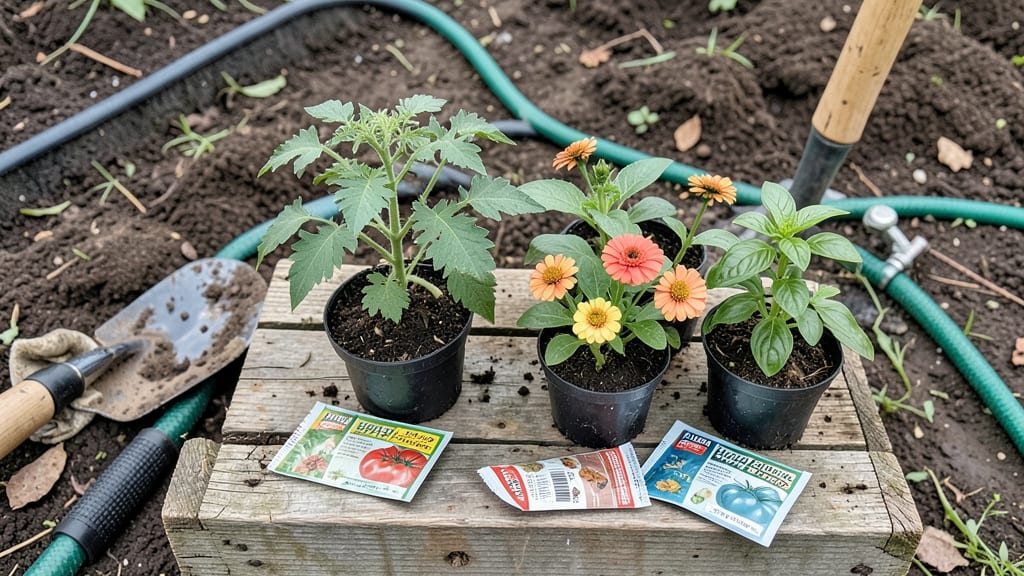
Planting a garden in Florida at the wrong time means wilting before you even start — but timing it right unlocks a year-round harvest of heat-loving crops.
Florida’s unique climate—with its scorching summers and rare frosts—means planting your garden at the wrong time can turn your green thumb into a sad, wilted leaf. But timing it right unlocks a year-round harvest of heat-tolerant veggies, tropical fruits, and thriving herbs.
North Florida’s last frost can hit as late as March, while South Florida stays frost-free year-round. That means your planting schedule should shift dramatically depending on where you live, with spring and fall being the two sweet spots for most crops.
Here’s your month-by-month guide to planting success, from frost-free deadlines to heat-tolerant crops that thrive in Florida’s humidity and high temps.
Florida planting calendar: month-by-month deadlines for frost-free success
Florida’s two distinct growing seasons—spring and fall—offer perfect windows for planting, but timing is everything. Unlike northern states, Florida’s frost-free zones vary dramatically from North Florida’s occasional chilly snaps to South Florida’s near-tropical warmth.
Miss the deadlines, and you risk stunted growth or total crop failure. Let’s break down the month-by-month planting calendar tailored to your region.
First, know your last frost dates: North Florida (Zones 8a-8b) averages January 15–February 15 for final frost, while Central (Zone 9a) rarely drops below 32°F after December 1.
South Florida (Zone 10a-11) stays frost-free year-round. These dates dictate when to plant cool-season crops like lettuce or warm-season powerhouses like okra.
Here’s your region-specific planting roadmap, including heat-tolerant crops to prioritize each month and critical deadlines to avoid.
| Month | North Florida | Central Florida | South Florida | Key Crops |
|---|---|---|---|---|
| January | Plant cool-season veggies after last frost risk (Feb 15) | Direct sow broccoli, cabbage, peas | Plant spring onions, carrots, lettuce | 🌱 Broccoli, Peas, Lettuce |
| February | Last chance for cool-season crops; prep for warm-season soil | Transplant tomatoes, peppers after soil warms (70°F+) | Direct sow beans, squash, cucumbers | 🌿 Tomatoes, Beans, Squash |
| March | Start warm-season crops; mulch to retain moisture | Plant okra, sweet potatoes, eggplant | Sow melons, peppers, herbs (basil, cilantro) | ☀️ Okra, Sweet Potatoes, Basil |
| April | Focus on heat-tolerant varieties; water deeply | Plant black-eyed peas, collard greens, peppers | Direct sow corn, squash, beans (again!) | 🌶️ Peppers, Corn, Black-Eyed Peas |
| May–August | Prioritize shade-loving crops; mulch heavily | Grow okra, sweet potatoes, peppers; avoid tomatoes | Plant tropical fruits (avocado, mango), herbs | 🌴 Okra, Sweet Potatoes, Herbs |
| September | Prepare for fall planting; amend soil with compost | Sow broccoli, cabbage, carrots for fall harvest | Direct sow lettuce, spinach, radishes |
Top 7 heat-tolerant vegetables to plant in Florida’s summer (and how to beat the heat)Florida’s summer heat can turn your garden into a wilting disaster—but with the right heat-loving crops, you can thrive when others fade. These 7 summer superstars not only survive but thrive in 90°F+ temps, giving you bountiful harvests while others struggle. The secret? Smart watering, shade strategies, and soil prep tailored to Florida’s humidity. Let’s dive into the best picks and pro tips to keep your garden lush and productive all season. First, soil prep is non-negotiable. Florida’s sandy soil drains too fast, so amend with compost and mulch heavily to retain moisture. Aim for well-draining soil with a pH between 6.0-6.8—most summer crops prefer slightly acidic conditions. For container gardening, use a lightweight potting mix with added perlite to prevent root rot in the relentless heat. Watering is an art, not a science. Most summer veggies need deep watering 2-3 times weekly, but morning watering is key—it reduces evaporation and fungal risks. Avoid overhead sprinklers during peak sun (10 AM–4 PM) to prevent leaf burn. Instead, use drip irrigation or soaker hoses to deliver water directly to roots where it’s needed most. Now, let’s tackle the 7 heat-tolerant stars that will keep your summer garden flourishing:
For shade strategies |