Planting
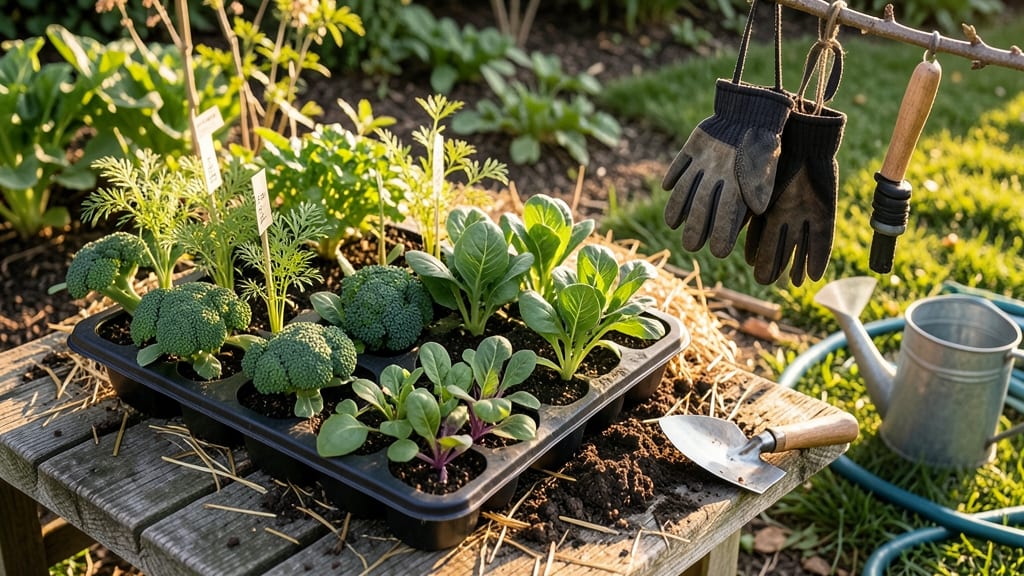
To plant a fall garden in Florida, start between July and October—but the exact timing depends on your region’s heat and humidity, not just the calendar.
Florida’s long growing season might trick you into thinking summer never ends—but the key to a thriving fall garden lies in planting before the heat peaks. Timing is everything, and missing the window by even a week can mean wilted dreams instead of homegrown harvests.
North Florida’s 8a zone (like Gainesville) needs cooler soil by August, while South Florida’s 11 zone (like Miami) can handle late September starts. The difference? A few degrees in soil temperature and a shift from sweltering to sweet harvests.
Below, I break down the month-by-month planting schedule, the heat-resistant crops that thrive in Florida’s fall, and how to avoid the three mistakes that kill most gardens before they even begin.
Florida’s fall planting calendar: exact month-by-month deadlines for success
Florida’s fall planting season begins earlier than you might think—especially in South Florida, where summer heat lingers. The difference between North Florida’s cooler microclimates and Central/South Florida’s tropical warmth means your planting timeline should shift based on your zone.
For example, North Florida gardeners can start leafy greens in early August, while South Florida may wait until late July for the same crops to avoid heat stress.
Miss the optimal planting window, and you’ll face bolting greens, stunted growth, or even pest outbreaks from stressed plants. The key is to plant when soil temperatures drop below 85°F—a critical threshold for most cool-season crops.
Below, I’ve broken down the exact deadlines by month and region to ensure your fall garden thrives.
Pro Tip: Use a soil thermometer to check temperatures before planting. Aim for 70–80°F for seeds and 65–75°F for transplants. In North Florida, this often means waiting until late August, while South Florida can start earlier.
In North Florida, where cool nights arrive earlier, August is your prime month for planting cool-season crops. By September 15, the window for direct-sown seeds (like lettuce or radishes) closes—after that, only transplants will have time to mature before potential frost (though it’s rare).
For South Florida, the season stretches longer: you can
Top 10 heat-resistant fall vegetables for Florida gardens (and when to start them)
Florida’s summer heat can wilt even the hardiest plants—but with the right heat-resistant varieties, your fall garden can thrive. These 10 top-performing vegetables are perfect for Florida’s climate, offering high yields even when temperatures hover in the 90s. The secret?
Planting them at the right time and pairing them with smart companion plants to maximize growth.
Unlike traditional fall crops, these varieties don’t need cool weather to excel. Instead, they thrive in warmth and produce abundantly through September and October, just as Florida’s humidity begins to ease.
For example, Malabar spinach and okra not only tolerate heat but bolster their flavor in warmer conditions—a rare advantage in Florida’s garden.
Below, I’ve outlined the ideal planting windows, soil prep tips, and companion planting strategies for each crop, tailored to Florida’s North, Central, and South regions.
Whether you’re a seasoned gardener or a beginner, these heat-loving plants will give you a bountiful fall harvest without the stress of wilting leaves or stunted growth.
- 🌿 Malabar Spinach – Plant July–August; thrives in 90°F+ heat. Companion: Okra.
- 🍆 Okra – Start seeds April–June (transplant July–August); loves full sun. Companion: Sweet Potatoes.
- 🍠 Sweet Potatoes – Plant slips May–July; harvest September–October. Companion: Peppers.
- 🌶 Peppers (Jalapeño, Cayenne) – Transplant June–July; drought-tolerant. Companion: Basil.
- 🥔 Sweet Potato Leaves – Harvest leaves August–October; edible greens. Companion: Beans.
- 🥕 Carrots (Danvers, Nantes) – Sow July–September; prefers partial shade. Companion: Onions.
- 🌽 Corn (Sweet) – Plant July–August; fast-growing for fall. Companion: Pole Beans.
- 🥬 Swiss Chard (Bright Lights) – Transplant August–September; heat-tolerant. Companion: Lettuce.
- 🧅 Eggplant (Black Beauty) – Start indoors March–April, transplant June–July. Companion: Marigolds.
- 🍅 Tomatoes (Heatmaster, Solar Fire) – Transplant June–July; disease-resistant. Companion: Basil.
To set your heat-resistant crops up for success, start with well-draining soil amended with compost or aged manure. Florida’s sandy soils often need extra orgainc matter to retain moisture during fall’s transition from heat to mild weather.
For example, okra and sweet potatoes love loamy, slightly acidic soil (pH 6.0–6.8), while Swiss chard thrives in neutral to alkaline soil (pH 6.5–7.5).
Companion planting is another game-changer. Pairing peppers with basil not only deters pests but also enhances flavor. Meanwhile, okra and sweet potatoes grow well together because they share similar water and sunlight needs, reducing competition.
For leafy greens like Malabar spinach, plant them near radishes or carrots to improve soil structure and deter aphids.
Finally, don’t underestimate the power of mulching. Apply a 2–3 inch layer of straw or wood chips around your plants to lock in moisture and regulate soil temperature. This is especially critical in South Florida’s intense heat, where soil can dry out quickly.
With these heat-resistant varieties and smart strategies, your fall garden will be lush, productive, and stress-free—no wilted dreams here! 🌿