Planting
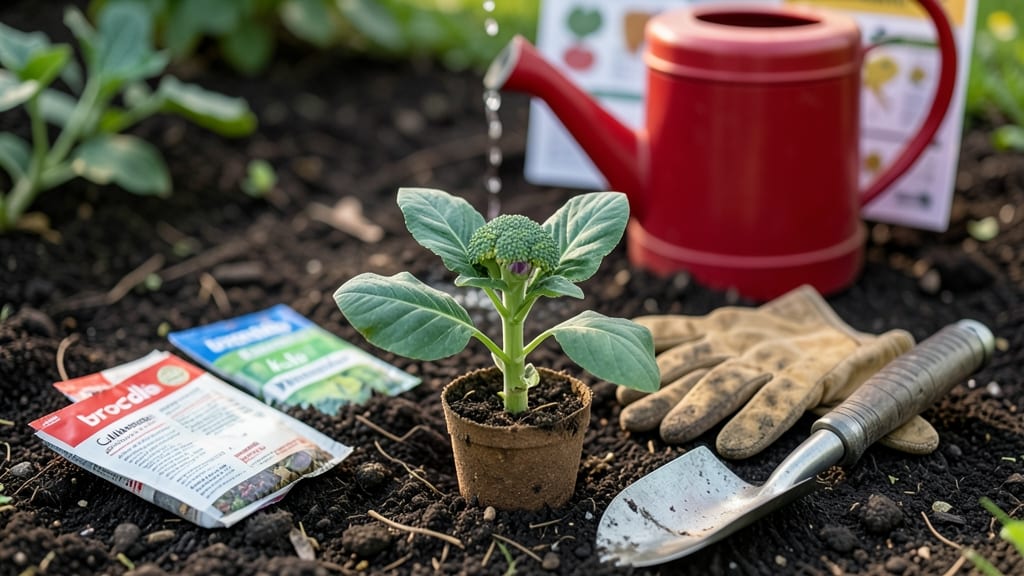
Planting your garden in Zone 7 at the right time means the difference between a thriving harvest and a sad, wilted mess.
Timing is everything in gardening—plant too early or too late, and your hard work could end up in the compost bin. But get these dates right, and you’ll enjoy a bountiful harvest all season long.
Zone 7’s mild winters and warm summers give you two prime planting windows: early spring for cool-season greens and late summer for heat-loving tomatoes and peppers. The key is knowing when the soil warms up and when frost is no longer a threat.
Below, I break down the exact dates for vegetables, flowers, and perennials, plus how to adjust for your local microclimate—whether you’re in the Piedmont or along the coast.
Zone 7 planting calendar: exact dates for vegetables, flowers, and herbs
Zone 7 gardeners enjoy a long growing season with last frost dates around March 15-April 15 and first frost dates between October 15-November 15. Knowing these exact planting windows ensures your vegetables, flowers, and herbs thrive year-round.
Whether you're growing cool-season crops like broccoli or warm-season favorites like tomatoes, timing is everything.
In Zone 7, spring planting begins as soon as the soil warms to 50°F (10°C), while fall planting can continue until 6-8 weeks before frost. Perennial plants have their own ideal windows, often in early spring or fall.
Below, I’ve broken down the best planting dates for your garden, including adjustments for early vs. late varieties and microclimate variations.
| Plant Type | Spring Planting | Summer Planting | Fall Planting | Notes |
|---|---|---|---|---|
| Cool-Season Vegetables | March 15-April 30 | N/A | August 15-September 15 | Broccoli, kale, spinach, peas |
| Warm-Season Vegetables | April 15-May 15 (after frost) | June 15-July 15 | N/A | Tomatoes, peppers, cucumbers, beans |
| Flowers (Annuals) | March 1-April 30 | June 15-July 15 | August 1-September 15 | Marigolds, zinnias, sunflowers |
| Herbs | March 15-April 30 | June 1-July 15 | August 1-September 15 | Basil, parsley, cilantro, dill |
| Perennials | March 1-April 15 | N/A | September 1-October 1 | Lavender, rosemary, asparagus, rhubarb |
For cool-season crops, start seeds indoors 6-8 weeks before your last frost date. Leafy greens like spinach and lettuce can handle light frosts, while broccoli and cabbage prefer cooler soil. In Zone 7’s mild winters, you can even plant garlic in fall (October) for a summer harvest.
Warm-season crops like tomatoes and peppers need warm soil (60°F+) to germinate. Use black plastic mulch or row covers to warm the soil faster in early spring. Succession planting every 2-3 weeks ensures a continuous harvest of beans, cucumbers, and zucchini all summer long.
Flowers like marigolds and zinnias thrive when planted in early spring or late summer. They attract pollinators and add color to your garden. For herbs, basil and cilantro love warm weather, while parsley and dill tolerate cooler temperatures.
Plant herbs in containers for easy mobility if your yard has hot afternoon sun.
Perennials like lavender and rosemary should be planted in early spring or fall to establish strong root systems before winter. Asparagus takes 2-3 years to mature, so plant crowns in early spring for a long-term harvest. Rhubarb also prefers cool climates and can be planted in fall or early spring.
Adjust these dates based on your local microclimate. Urban
How to adjust planting times for Zone 7 microclimates and soil conditions
Zone 7 gardens aren't one-size-fits-all—your elevation, urban heat island effects, and soil drainage can shift planting windows by weeks. A high-elevation yard in the Blue Ridge Mountains might need late-May starts for tomatoes, while a lowland coastal garden could plant in early April.
Even within your city, south-facing beds warm up faster than north exposures.
Soil plays an equally critical role. Clay-heavy soils stay cold longer and need amended planting beds with compost or sand. Meanwhile, sandy soils dry out quickly, requiring mulch and drip irrigation to keep seedlings happy.
I've learned the hard way—overwatered sandy soil can drown roots just as surely as frozen clay.
🌱 Zone 7 Microclimate Adjustments
Elevation: Add 1 week per 1,000 ft above sea level. Example: 2,000 ft = plant 2 weeks later than lowland areas.
Urban Heat: City centers can be 5-10°F warmer than suburbs. Start tender crops (peppers, eggplants) 2 weeks earlier in heat islands.
Soil Drainage: Heavy clay? Plant 2 weeks later after soil warms. Fast-draining sand? Use row covers to retain moisture.
Microclimate Tip: Test your yard's frost pockets by planting basil in multiple spots—where it thrives first is your earliest planting zone.
Local weather patterns demand flexibility too. Track your last frost date for 3 years—some Zone 7 areas experience late frosts in May while others see early September freezes. I keep a gardening journal noting when marigolds bloom (a frost-free indicator) each year to adjust my schedule.
Extend your season with row covers and cold frames. A simple floating row cover can add 4-6 weeks to your cool-season harvest (spinach, kale) in spring or fall.
For warm-season crops like cucumbers, use a low tunnel to trap heat and plant 3 weeks earlier than your usual date.
Don't forget succession planting strategies. In Zone 7's long growing season, you can often plant lettuce every 2 weeks from March through October. I've had continuous harvests of bush beans by staggering plantings every 10 days—the first batch ripens just as the last is flowering.
When in doubt, start small. Test a few plants 2 weeks early or late to see how they perform. My first-year mistake was planting tomatoes in mid-April—they bolted in the 50°F soil.
Now I wait until soil reaches 60°F (usually mid-May) and use black plastic mulch to warm the bed faster.