
Planting
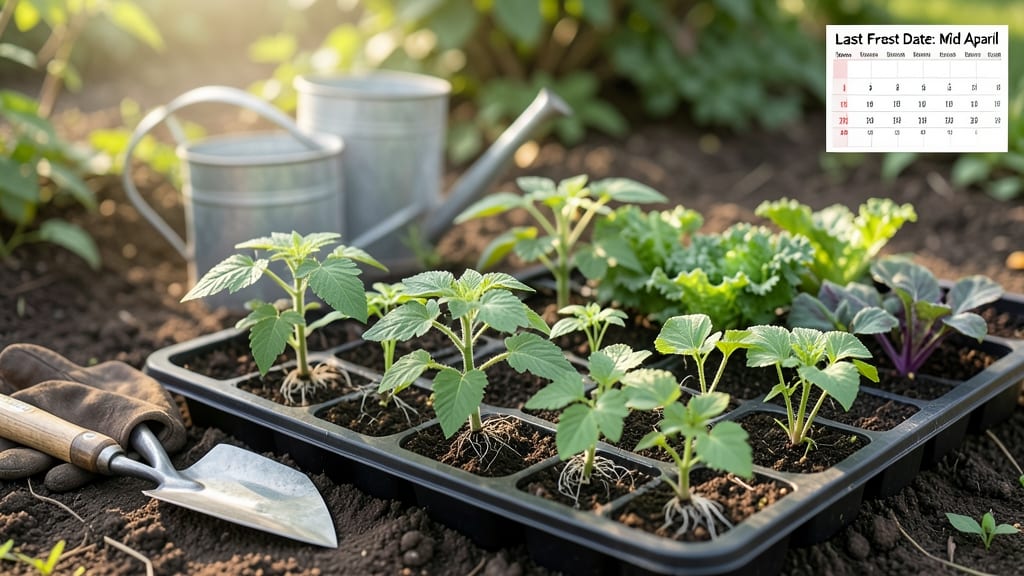
Planting a vegetable garden in Oklahoma means timing your crops to avoid frost, heat stress, and wasted effort—because getting it wrong can mean losing your entire harvest before it even starts.
Oklahoma’s unpredictable climate—from scorching summers to sudden freezes—can make timing your vegetable garden a high-stakes game. Plant too early, and frost will wipe out your seedlings; too late, and heat stress cuts yields. But mastering the perfect planting windows by crop type ensures a bountiful harvest without the guesswork.
Cool-season crops like lettuce and broccoli thrive in Oklahoma’s early spring and fall, while tomatoes and peppers need the warmth of summer. The key is knowing your last frost date—mid-March in the north and as early as February in the south—so you can plant with confidence.
In this guide, I’ll break down the best months to plant every major crop, share pro tips for extending your growing season, and help you avoid common mistakes that lead to failed gardens. Let’s get started!
Oklahoma’s frost dates and planting zones: the critical timeline for vegetable success
Oklahoma’s USDA Plant Hardiness Zones 6b–8a create a unique challenge for gardeners. The state’s last frost dates range from mid-March in southern Oklahoma to mid-April in the Panhandle, while first frost arrives between mid-October and mid-November.
These dates define your planting windows—but microclimates can shift them by weeks.
Understanding these frost dates is your first step to avoiding frost damage. For example, northern Oklahoma’s Zone 6b has a shorter growing season than southern Oklahoma’s Zone 8a. Use the Oklahoma Mesonet for real-time weather data to fine-tune your timing.
Here’s how to align your planting with Oklahoma’s frost-free season, which typically spans 190 days. Cool-season crops like lettuce and peas thrive in early spring or fall, while tomatoes and peppers need warm soil after the last frost.
Key frost dates by region:
- Northern OK (Zone 6b): Last frost April 15, first frost October 15
- Central OK (Zone 7a): Last frost April 1, first frost November 1
- Southern OK (Zone 8a): Last frost March 15, first frost November 15
Microclimates add another layer. Urban heat islands in cities like Oklahoma City can delay frost by 1–2 weeks, while windy plains may bring frost earlier. Adjust your planting by 1–2 weeks based on your specific location.
Soil temperature matters just as much as air temperature. Most warm-season crops need soil at 60°F or warmer. Use a soil thermometer to confirm readiness—especially in Zone 6b, where cool soils delay planting.
Planting zone adjustments:
- Zone 6b: Start cool crops indoors in March; wait until May 1 for warm crops.
- Zone 7a: Direct-sow cool crops by March 15; plant warm crops after April 15.
- Zone 8a: Extend fall planting into November for hardy greens.
For warm-season crops like tomatoes, peppers, and cucumbers, wait until soil temperatures consistently reach 60°F. In Zone 6b, this often means delaying planting until late May. Use black plastic mulch to warm soil faster in cooler zones.
Cool-season crops like spinach, kale, and broccoli can handle light frosts and should be planted 4–6 weeks before your expected last frost. In Zone 8a, this means January sowings for fall harvests.
Pro tip: Use row covers to extend your planting window by 2–4 weeks in spring or fall. They protect young plants from late frosts while allowing sunlight and air circulation.
Track your local frost dates using the <
Best vegetables to plant by month in Oklahoma: a month-by-month survival guide
Oklahoma’s unpredictable climate demands a strategic approach to planting. Cool-season crops like spinach and broccoli thrive in early spring, while heat-lovers such as okra and sweet potatoes dominate summer.
Fall brings hearty greens like kale and carrots that withstand early frosts. The key is knowing exactly when to plant each variety to avoid wasted effort.
Timing isn’t just about the calendar—it’s about soil temperature and frost dates. Northern Oklahoma’s last frost often hits April 15, while southern regions may see it as early as March 15.
First frosts typically arrive in mid-November, giving you roughly 190 frost-free days to work with. Plan accordingly to maximize your harvest.
🌱 Oklahoma Planting Calendar by Month
- 🌱 March: Spinach, peas, broccoli, lettuce (start indoors). Avoid tomatoes and peppers—soil too cold!
- 🌿 April: Carrots, radishes, onions, cabbage. Transplant broccoli and cabbage seedlings after frost risk passes.
- ☀️ May: Tomatoes, peppers, beans, cucumbers (wait until soil hits 60°F). Don’t plant heat-sensitive greens like lettuce.
- 🌞 June-August: Okra, sweet potatoes, black-eyed peas, squash. Succession plant beans and cucumbers every 2 weeks.
- 🍂 September: Kale, turnips, beets, radishes (fast-growing crops for fall). Start spinach and peas indoors.
- 🍁 October: Garlic, onions, frost-tolerant greens like collards. Harvest remaining tomatoes and peppers before frost.
For early spring, focus on cold-hardy crops that tolerate light frosts. Peas and spinach are excellent choices—they germinate quickly in 40–50°F soil and can handle 20°F temperatures. Broccoli and cabbage also thrive when planted 4–6 weeks before your area’s last frost date.
Summer planting requires heat-tolerant varieties like okra and sweet potatoes, which flourish in Oklahoma’s 90°F+ temperatures. Black-eyed peas and Southern peas are perfect for late summer, as they handle both heat and drought. Succession planting every 2 weeks ensures a continuous harvest of beans and cucumbers.
Fall is your second chance for leafy greens and root vegetables. Kale and carrots actually sweeten after a light frost, making them ideal for October plantings. Radishes mature in just 30 days, giving you quick rewards before winter sets in. Garlic planted in fall will be ready to harvest the following summer.
Remember: Oklahoma’s microclimates vary wildly. Urban areas like Oklahoma City can be 5–10°F warmer than rural plains, while windy regions may need windbreaks for delicate crops. Always check soil temperature with a probe—60°F is the magic number for warm-season crops, while 50°F suits cool-season stars. 🌱