Plants
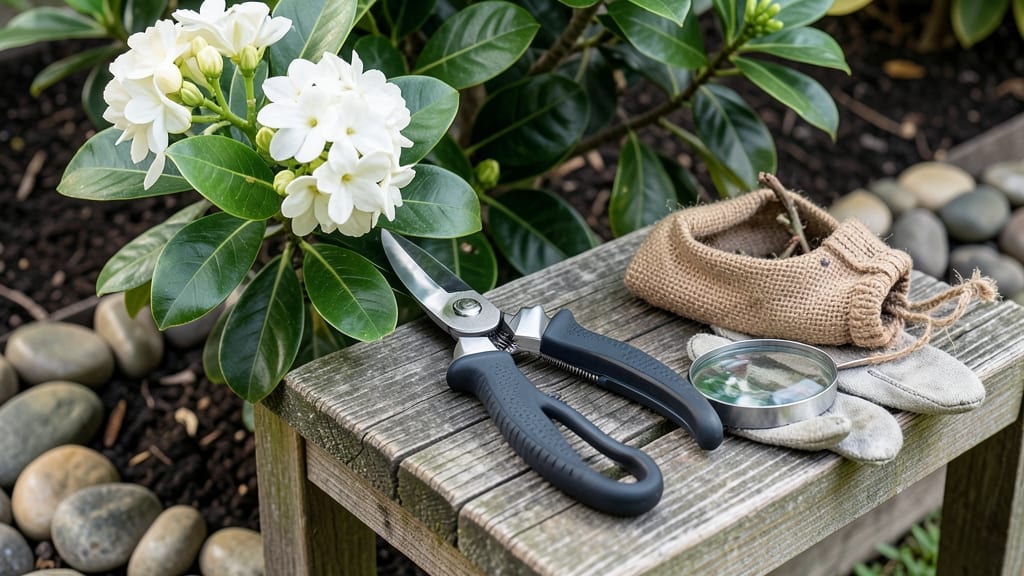
To prune gardenia plants at the right time means catching the late winter/early spring window when new growth is about to burst—and missing it can mean fewer blooms and leggy branches.
Picture this: your 🌸 gardenia is lush and fragrant, but instead of a full, rounded shape, it’s stretching toward the light like it’s begging for attention. That’s your cue that pruning was either too late or too aggressive.
The secret? Timing it just as buds form, before the first flush of flowers, when the plant is primed for recovery.
In USDA Zone 9b and warmer, you can prune year-round with minimal stress, but for most gardeners in Zones 6-8, late winter (February-March) is the sweet spot—right after the last frost threat has passed.
This isn’t just about aesthetics; it’s about giving your gardenia the best shot at a bloom-heavy season without shocking its system.
Below, I’ll walk you through the exact steps to prune like a pro—when to snip, how much to cut, and the tools that make all the difference. No more guesswork, just science-backed timing for gardenias that thrive.
Best pruning seasons for gardenias: month-by-month guide
Timing your gardenia pruning right can mean the difference between lush, fragrant blooms and struggling branches. Since gardenias are tropical/subtropical shrubs, they thrive when pruned during their dormant or early growth phase.
For most gardeners in USDA Zones 6-9, this means late winter to early spring—just as new growth begins but before buds form.
In warmer climates like Zone 9b+, you can prune gardenias year-round, but late winter (February) is still ideal. The key is to avoid pruning after June in cold zones, as this can stunt next year’s blooms.
Let’s break down the best months for each climate zone to keep your gardenia healthy and blooming beautifully.
🌱 Pro Tip: Always prune on a dry, overcast day to reduce stress on the plant. Morning hours are best to allow wounds to dry before evening humidity sets in.
If you live in Zone 9b or warmer, you can prune gardenias year-round with caution. However, the best time remains February-March to align with their natural growth cycle.
In these zones, avoid pruning during peak summer heat (June-August), as the plant struggles to recover and may produce fewer blooms.
For gardeners in Zone 6-8, prune after the last frost date (typically March 15 or later). This ensures the plant isn’t damaged by late frosts.
If you miss the spring window, wait until September for a light cleanup, but avoid heavy pruning—this can stimulate new growth that won’t harden off before winter.
In Zone 10+, gardenias can bloom year-round, but pruning in late winter (February) still promotes the healthiest growth. Focus on removing crossing branches and deadheading spent blooms to encourage continuous flowering.
Just remember: never prune more than 1/3 of the plant at once, or you risk shocking the shrub.
Climate adjustments are key: humid zones (like Florida) may require more frequent light pruning to improve airflow and prevent fungal issues, while drier climates (like Arizona) benefit from pruning in cooler months to reduce water stress.
Always sterilize your pruners with rubbing alcohol before and after use to prevent disease spread.
🌿 Watch for these signs: If your gardenia produces fewer blooms or yellowing leaves after pruning, you may have cut too late in the season. Next time, aim for late winter/early spring and monitor recovery closely.
How to prune gardenias without killing blooms: step-by-step tricks
Pruning your gardenia correctly can transform its blooming potential, but timing and technique matter more than you might think. The key is knowing where to cut—whether it’s old wood or new growth—and how much to remove without shocking the plant.
Gardenias are sensitive, so even a small mistake can lead to fewer blooms or stressed foliage.
Start by gathering the right tools: always use sterilized pruning shears (clean with rubbing alcohol) to prevent disease. Avoid dull blades, which tear stems and invite pests. I’ve seen gardeners use hedge shears, but they’re too aggressive for gardenias—stick to sharp, bypass pruners for precision cuts.
Now, the biggest mistake I see? Pruning at the wrong time. Many gardeners rush to trim back their gardenias after they finish blooming, but this can stunt next year’s flowers.
The perfect window is just after the plant finishes flowering, typically in late winter or early spring, when new growth begins but before buds form.
⚠️ WARNING: Pruning Gardenias at the Wrong Time ⚠️
- During flowering season (you’ll sacrifice current blooms).
- In late summer or fall (new growth won’t harden off before winter).
- More than 1/3 of the plant at once (this stresses gardenias severely).
When you’re ready, focus on shaping the plant rather than just thinning. Look for dead or crossing branches—these should be your first targets. Cut just above a leaf node or outward-facing bud to encourage growth in the right direction. Avoid cutting into old wood (wood older than 3 years) unless it’s diseased, as gardenias bloom on new wood.
Here’s the golden rule: never remove more than 1/3 of the plant’s foliage in a single session. I’ve seen gardeners over-prune by half, and their gardenias took two full seasons to recover.
If you’ve already over-pruned, don’t panic—focus on light feeding and deep watering to encourage regrowth. You might see fewer blooms this year, but next season will bounce back.
After pruning, give your gardenia a light fertilizer with low nitrogen (like a 5-10-10 blend) to support new growth without promoting leafy overgrowth. Water deeply but avoid soaking the soil, as gardenias hate wet roots.
Mulch around the base with pine bark to retain moisture and mimic their natural, acidic habitat.