Plants
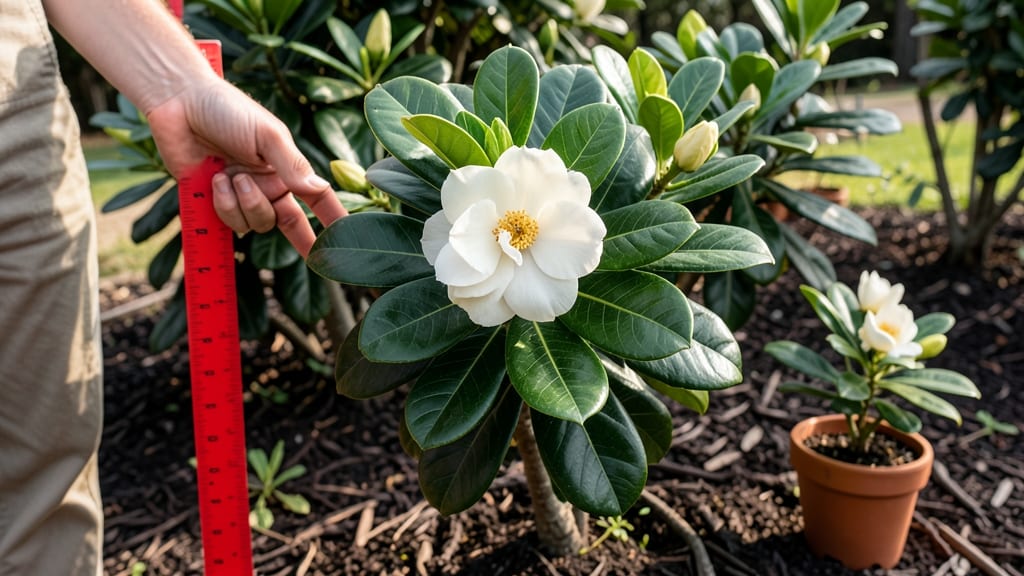
Gardenia plants get between 3 and 6 feet tall at maturity, with spreads reaching 4 to 5 feet—though dwarf varieties like 'Radicans' stay compact at just 1 to 2 feet.
If you’re dreaming of fragrant gardenias but wondering whether they’ll overwhelm your garden or fit perfectly in a small space, knowing their mature size is key—because these tropical beauties vary wildly by variety!
For example, the classic Gardenia jasminoides 🌸 typically grows into a 4- to 5-foot shrub, while the towering 'Veitchii' variety can reach 6 feet or taller with proper care. Meanwhile, container-grown gardenias stay smaller, making them ideal for patios or balconies.
Below, I’ll break down how sunlight, soil, and pruning habits influence their size—and how to pick the perfect variety for your space, whether you’re aiming for a lush hedge or a single statement plant.
Gardenia plant size by variety: mature height and spread guide
If you’re planning to grow gardenia plants, their mature size can make or break your garden layout. These fragrant shrubs range from compact dwarf varieties to towering standard gardenias, each with distinct growth habits.
Knowing their potential height and spread helps you choose the perfect variety for your space—whether it’s a small balcony container or a sunny garden bed.
Most gardenias belong to the Gardenia jasminoides species, but sizes vary dramatically. For example, the 'Radicans' variety stays under 2 feet tall, while 'Veitchii' can reach 6 feet or more.
Even within the same species, growth rates differ based on container vs. garden planting, sunlight exposure, and pruning habits.
Below, I’ve broken down the most popular gardenia varieties by their mature height, spread, and growth habits. This guide will help you visualize how each type fits into your garden design—whether you’re aiming for a privacy hedge, a scented focal point, or a container specimen.
| Variety | Mature Height | Mature Spread | Growth Habit | Best For |
|---|---|---|---|---|
| Gardenia jasminoides 'Radicans' | 1–2 ft | 2–3 ft | Trailing, bushy | Containers, hanging baskets |
| Gardenia jasminoides 'Kleim's Hardy' | 2–3 ft | 3–4 ft | Compact, rounded | Small gardens, borders |
| Gardenia jasminoides 'Veitchii' | 4–6 ft | 5–7 ft | Upright, tree-like | Large gardens, hedges |
| Gardenia augusta | 3–5 ft | 4–6 ft | Bushy, multi-stemmed | Tropical landscapes |
| Gardenia radicans | 1–2 ft | 3–4 ft | Trailing, vine-like | Vertical gardens, trellises |
Note: Sizes are for garden planting. Container sizes are typically 30–50% smaller.
When choosing a gardenia, consider how its growth rate and final size will fit your space. For instance, 'Radicans' is perfect for hanging baskets on a patio, while 'Veitchii' thrives as a privacy screen in larger yards.
Even within the same variety, container-grown gardenias stay smaller than those planted in the ground.
Sunlight also plays a role in size. Gardenias grown in partial shade (their ideal condition) tend to grow more slowly but produce larger, more fragrant blooms. In full sun, they may grow taller but require more pruning and watering to maintain health.
Always plant in well-draining, acidic soil (pH 5.0–6.0) to encourage optimal growth.
If you’re growing gardenias in containers, expect their mature size to shrink by 30–50%. For example, a 'Kleim's Hardy' gardenia might only reach 1.5–2 feet tall in a 15-gallon pot.
To keep them compact, prune regularly after blooming and fertilize lightly during the growing season. Avoid over-potting, as root-bound plants grow more slowly.
Pruning is key to controlling gardenia size. After the blooming season (late summer to early fall), trim back overgrown branches to encourage a denser shape. For standard varieties, prune the top to maintain height, while dwarf types benefit from light shaping to keep them bushy.
Always use sterilized pruners to prevent disease spread.
For fastest growth, plant gardenias in spring after the last frost. In USDA Zones 8–10, they thrive year-round, while colder climates may need container growing or winter protection. Mulch around the base to retain moisture and regulate soil temperature, which helps maintain healthy growth rates.
Now that you know how big gardenias get, you can confidently select the perfect variety for your garden—or even mix sizes for a layered, fragrant landscape!
Whether you’re a balcony gardener or a landscape designer, choosing the right gardenia size ensures years of scented blooms without overcrowding your space. 🌸
How to choose a gardenia size for your space: containers vs. garden planting
Choosing the right gardenia size depends entirely on your space—whether you’re working with a cozy balcony, a spacious backyard, or even a stylish patio. Gardenias thrive in both containers and garden beds, but their growth habits change dramatically based on where you plant them.
For example, a dwarf variety like 'Radicans' will stay compact in a 15-gallon pot, while a standard 'Veitchii' can reach 6 feet tall when planted in the ground. Understanding these differences helps you avoid overcrowding or underutilized space.
Container gardening is ideal for small spaces like balconies or patios, but it requires careful planning. Gardenias in pots grow 20-30% slower than in-ground plants because their roots are restricted. A 3-foot-tall gardenia in a 20-gallon container might only reach 2 feet if pruned regularly.
Meanwhile, in-ground gardenias spread wider, needing 3-5 feet of space for mature varieties. Sunlight exposure also plays a role—too much direct sun can stunt growth, while partial shade encourages bushier, more compact plants.
Gardenia Size Guide: Containers vs. Garden Planting
- ✅ Slower growth (20-30% smaller)
- ✅ Portable for seasonal changes
- ✅ Ideal for dwarf varieties
- ❌ Requires frequent pruning
- ❌ Needs larger pots (15+ gallons)
- ✅ Faster, fuller growth
- ✅ More natural spread (3-5 ft)
- ✅ Less pruning needed
- ❌ Fixed location
- ❌ Needs ample space
If you’re growing gardenias in containers, opt for dwarf or semi-dwarf varieties like 'Kleim’s Hardy' or 'Fortuniana'. These stay under 3 feet tall and work beautifully in 15-20 gallon pots. Use a high-quality, well-draining potting mix with peat moss or pine bark to mimic acidic garden soil.
For in-ground planting, choose your location carefully—gardenias need partial shade (4-6 hours of morning sun) to prevent leaf burn and encourage lush growth.
Pruning is your best tool for controlling gardenia size, whether in containers or garden beds. For container plants, prune after flowering to remove leggy stems and encourage a fuller shape. In-ground gardenias benefit from light pruning in late winter to shape the plant and remove deadwood.
Avoid heavy pruning, as it can reduce blooming in the current season. Instead, focus on selective trimming to maintain your desired size and shape.
Sunlight exposure directly impacts gardenia size—too much direct sun can lead to stunted growth and leaf scorch, while too little can result in long, leggy stems and fewer blooms. Aim for morning sun and afternoon shade, especially in hot climates.
If you notice your gardenia stretching toward the light, it’s a sign it needs more shade. Adjust its placement or use a light sheer curtain to filter harsh afternoon rays.
For small spaces like balconies or patios, consider training gardenias on trellises or espaliering them against walls to save space. This technique works especially well for standard varieties like 'Veitchii', allowing you to grow a 6-foot-tall gardenia in a 3-foot-wide area.
Just ensure the trellis provides support and the plant gets enough air circulation to prevent fungal issues. With the right variety and care, you can enjoy fragrant gardenias—no matter how big or small your space!