
Tools
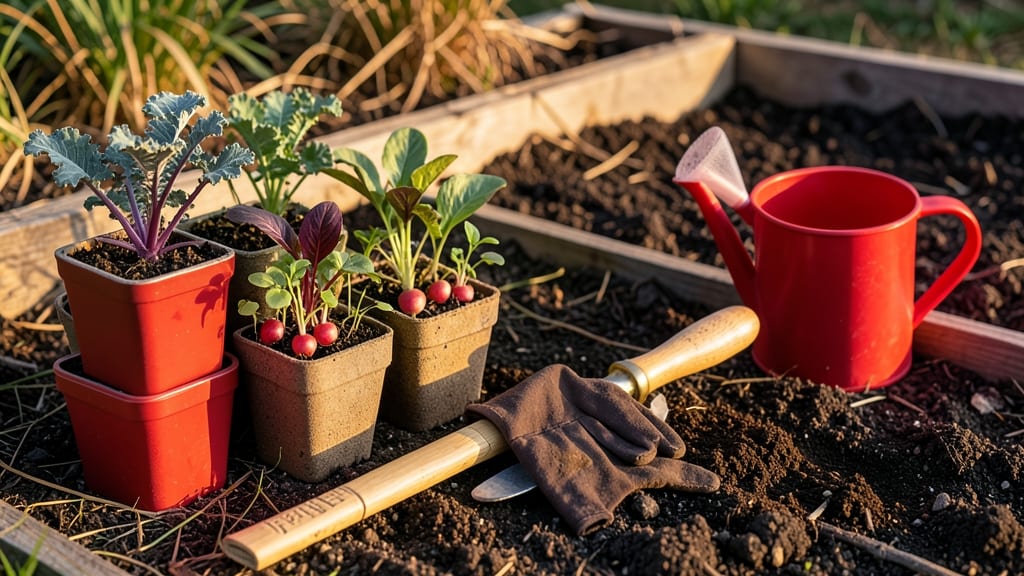
Starting a fall garden 4-6 weeks before frost is the secret to a bountiful harvest when temperatures drop 🥬 — but one wrong move, and you’ll end up with bolted greens or frozen roots.
Missed the spring planting rush? Fall gardening offers cooler weather, fewer pests, and a second harvest bounty—but timing is everything. Plant too early, and your crops bolt; too late, and frost ruins your efforts.
Your USDA zone dictates the exact window, but most gardeners in Zone 6a should begin in August or early September for crops like kale, carrots, and spinach. The key is balancing maturity dates with frost risk.
Here’s your zone-by-zone guide to planting just in time for a productive fall harvest—plus the crops that thrive when others give up.
Fall planting deadlines by USDA hardiness zone (with frost risk charts)
Fall gardening thrives when you align planting dates with your USDA hardiness zone and first-frost averages. Unlike spring, where warm soil is key, fall success hinges on cool-season crops maturing before hard frosts strike.
In Zone 3, for example, spinach planted in late July may bolt by September—while in Zone 10, you can sow kale until November. The difference? Frost risk and daylength sensitivity.
To avoid common mistakes like premature bolting (when plants flower too early) or frost damage, follow these zone-specific deadlines.
Start with fast-maturing crops (radishes, arugula) 6–8 weeks before your first frost, and save slower growers (kale, Brussels sprouts) for 4–6 weeks out. Check your local frost date—it’s your planting clock!
Here’s how your USDA zone dictates your fall garden timeline, with last-safe-planting dates and frost risk comparisons to guide your choices:
Notice how Zone 3 gardeners must rush to plant by early August, while Zone 10 can enjoy a late-November harvest? This table highlights why local frost data is non-negotiable. For
Best cool-season crops to plant now (ranked by growth speed and frost tolerance)
Fall gardening is all about strategic timing. The key is selecting cool-season crops that thrive in mild temperatures and can handle light frost. I’ve categorized the top 10 crops by growth speed—fast, medium, and slow—so you can plan your harvest timeline perfectly.
These picks also include frost-resistant varieties that won’t wilt when temperatures dip.
For fast harvests (30-45 days), focus on radishes and arugula. These quick-sprouting greens are perfect for beginners or gardeners with short seasons. Medium-speed crops like broccoli and Brussels sprouts take 50-70 days, while slow growers like kale and leeks mature in 60-90 days.
Below, I’ve ranked them by frost tolerance and days to maturity to help you prioritize.
Don’t overlook high-value crops like garlic and onions, which are must-plant for long-term storage. These overwintering crops need to be in the ground by mid-fall (late September in most zones) to establish roots before winter.
For maximum frost protection, add a thick layer of straw mulch once temperatures drop below 40°F.
If