
Tools
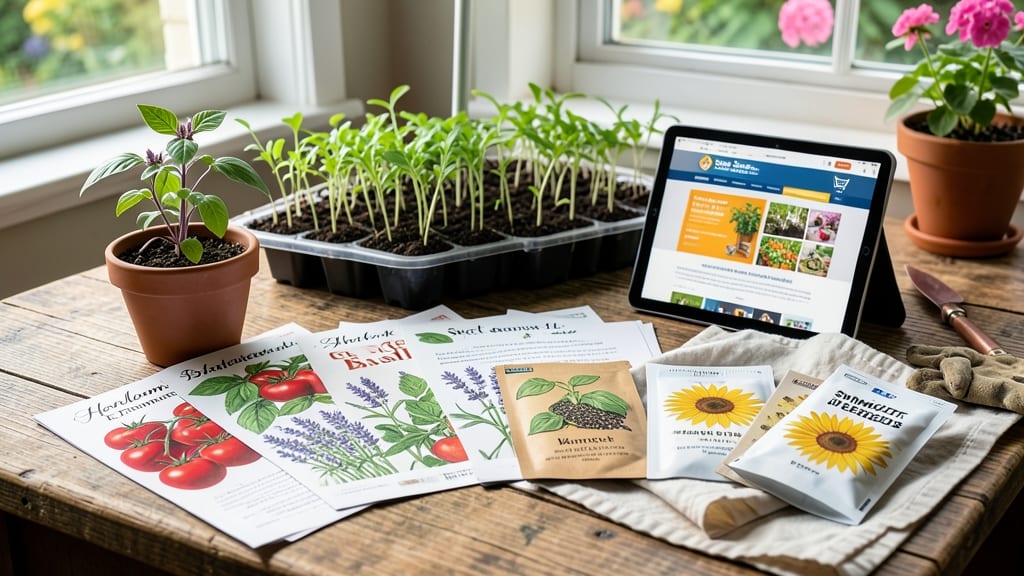
To get seeds for your garden, shop from trusted online seed banks like Baker Creek Heirloom Seeds or Seed Savers Exchange, browse local nurseries, or join community seed swaps and gardening clubs. Always check seed viability and expiration dates before planting.
Finding quality garden seeds starts with knowing where to look. 🌱 Online seed banks offer vast selections of heirloom and hybrid varieties, often with detailed growing guides and organic certifications.
Local nurseries provide immediate access to regionally adapted seeds, while seed swaps and gardening clubs let you connect with fellow gardeners for rare varieties and firsthand advice. I always recommend cross-checking supplier reviews and seed packets for germination rates to ensure a successful planting season.
For specialty crops or organic gardening, dedicated seed banks often carry unique genetics that mainstream retailers miss. Local sources, on the other hand, support small businesses and adapt to your climate's specific needs.
Whether you're a beginner or a seasoned gardener, combining online research with community connections gives you the best chance for thriving plants.
💡 In This Article
- Top Online Seed Banks for Heirloom and Hybrid Varieties
- Local Seed Sources: Nurseries, Swaps, and Gardening Clubs
Top online seed banks for heirloom and hybrid varieties
Online seed banks specialize in preserving genetic diversity, offering varieties carefully selected for disease resistance and flavor. Baker Creek Heirloom Seeds, for example, sources over 1,500 varieties with detailed growing guides and organic certifications—critical for gardeners prioritizing sustainability.
Their seed packets often include historical context about each variety's origins, which helps you choose crops adapted to your climate and soil conditions.
The difference between heirloom and hybrid seeds matters for long-term gardening success. Heirloom varieties like Brandywine tomatoes or Black Krim tomatoes maintain genetic stability across generations, while hybrids (e.g., Sweet 100 tomatoes) offer consistent yields but may require repurchasing seeds annually.
Seed Savers Exchange, another trusted source, focuses on heirloom preservation, with a 95% germination rate guarantee—far higher than many big-box retailers.
Shipping policies vary significantly. Baker Creek ships seeds year-round with 90-day germination guarantees, while smaller vendors like Rare Seeds may have limited stock of rare varieties. Always check customer reviews for feedback on seed viability, as some suppliers may sell older stock with lower germination rates.
I recommend ordering from multiple sources if you're testing new varieties, as regional climate differences can affect seed performance.
Organic certification adds another layer of trust. Look for suppliers like High Mowing Seeds, which offer USDA Organic seeds and detailed soil preparation guides. Their packets often include plant spacing charts and companion planting tips, reducing trial-and-error in your garden.
For beginners, Burpee's extensive catalog provides hybrid options with disease-resistant labels, helping you avoid common pitfalls like powdery mildew in cucumbers.
Price isn't the only factor—consider the supplier's commitment to seed saving. Baker Creek, for instance, offers free seed-saving guides with purchases, while Seed Savers Exchange hosts annual seed swaps. These resources empower you to grow and save your own seeds, reducing long-term costs.
For specialty crops like heirloom peppers or unusual squash varieties, smaller seed banks often carry unique genetics mainstream retailers overlook.
Pro tip: Bookmark seed bank catalogs early—popular varieties sell out fast, especially during spring planting season. Many suppliers also offer bulk discounts for larger orders, making it cost-effective to stock up on favorites.
Always store purchased seeds in a cool, dry place (below 40°F) to maintain viability for up to 5 years.