
Tools
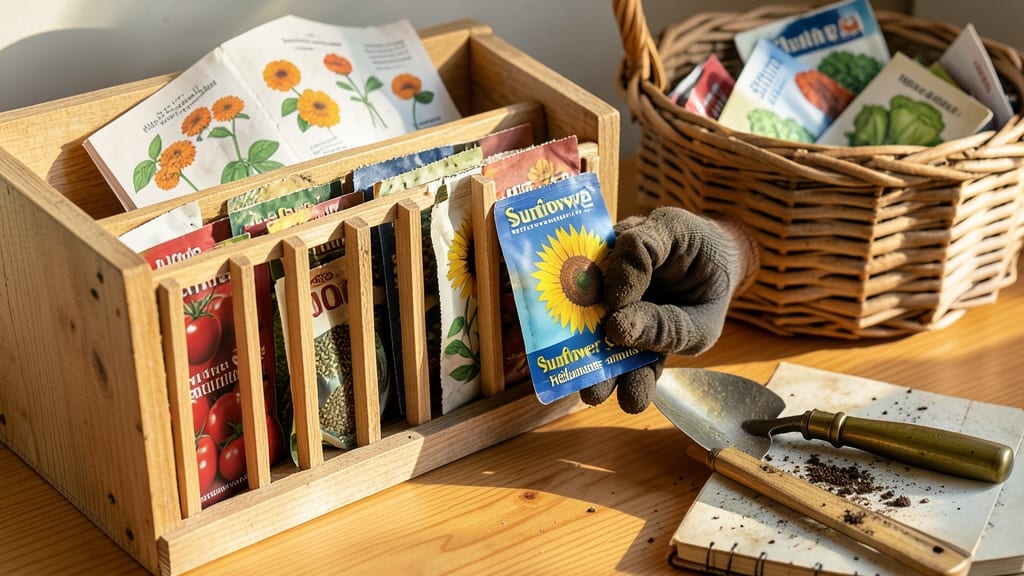
To buy garden seeds, explore trusted online retailers like Baker Creek Heirloom Seeds or Seeds of Change for rare varieties, while local nurseries and farmers' markets offer fresh, regionally adapted options. Always check seed viability and reviews before purchasing.
Finding the right place to buy garden seeds depends on whether you prioritize variety, convenience, or climate-specific options. 🌱 Online seed banks like Baker Creek or Seeds of Change specialize in heirloom and rare varieties that might not be available locally, while your neighborhood nursery often carries seeds already tested for your region's growing conditions.
I always verify seed viability by checking the packaging date—seeds older than a year may have significantly lower germination rates. Local farmers' markets also offer a great way to connect with seed growers who can provide firsthand advice about what thrives in your area.
For gardeners with specific needs, consider joining seed-saving cooperatives or regional seed swaps.
These community-based networks often provide seeds adapted to microclimates and offer the chance to trade seeds with fellow gardeners. 💫 The key is balancing convenience with quality—whether you're browsing a digital catalog or chatting with a local expert, always ask about storage conditions and recommended planting times to maximize your success rate.
💡 In This Article
- Top Online Seed Companies for Rare and Heirloom Varieties
- How to Choose Local Seed Sources for Best Germination Rates
Top online seed companies for rare and heirloom varieties
Online seed suppliers like Baker Creek Heirloom Seeds and Seeds of Change specialize in preserving genetic diversity through rare and heirloom varieties. Baker Creek, for example, offers over 1,500+ unique seed varieties, including some dating back to the 1800s, with detailed growing guides and historical context for each.
Their seeds often come with 90-95% germination rates when stored properly, thanks to their climate-controlled facilities. 🌱 What sets them apart is their commitment to open-pollinated seeds, allowing gardeners to save and replant seeds year after year.
The shipping process is meticulously designed to maintain seed viability. Most reputable online seed banks use biodegradable seed envelopes and ship via USPS Priority Mail, which delivers within 2-3 business days during peak season.
Seeds of Change, another leader, focuses on organic and non-GMO varieties, with a particular emphasis on drought-resistant and nutrient-dense crops. Their Seed to Table program even connects gardeners with chefs and farmers' markets, creating a full-circle growing experience.
Customer reviews reveal consistent praise for these companies' educational resources. Baker Creek's Seed Starting Guide includes step-by-step instructions with photos, while Seeds of Change offers free webinars on sustainable gardening.
Subscription-based seed clubs, like Sow True Seed, provide seasonal seed deliveries with curated varieties, making it easy to experiment with new crops without overwhelming your garden. 💫 The key advantage of online suppliers is their ability to offer seeds that might not be available locally, such as exotic peppers or ancient grain varieties.
However, there are trade-offs to consider. Shipping costs can add up for larger orders, and some seeds may arrive in quantities too small for commercial growing. Always check the packaging date—seeds older than 1-2 years may have reduced viability.
Online retailers typically provide detailed storage instructions to extend seed life, but local sources often offer fresher stock with immediate availability for your region's planting season.
For gardeners prioritizing organic certification, companies like High Mowing Seeds or Territorial Seed Company are excellent choices. These suppliers focus on USDA Organic-certified seeds and provide comprehensive planting charts that account for your hardiness zone.
Their customer service teams often include horticulturists who can offer personalized advice on soil preparation and pest management for specific varieties.
One often-overlooked feature is the seed-saving community these companies foster. Baker Creek's Seed Savers Exchange program connects gardeners with seed libraries and regional seed banks, creating a network for sharing and preserving genetic diversity. This community aspect adds long-term value beyond just purchasing seeds. 🌟
When comparing online seed companies, focus on their return policies—most reputable suppliers offer full refunds or replacements if seeds fail to germinate due to their fault.
Always read the fine print about shipping restrictions (some seeds aren't available to all states due to agricultural regulations) and consider joining their newsletters for exclusive previews of new varieties before they're listed in the general catalog.