
Tools
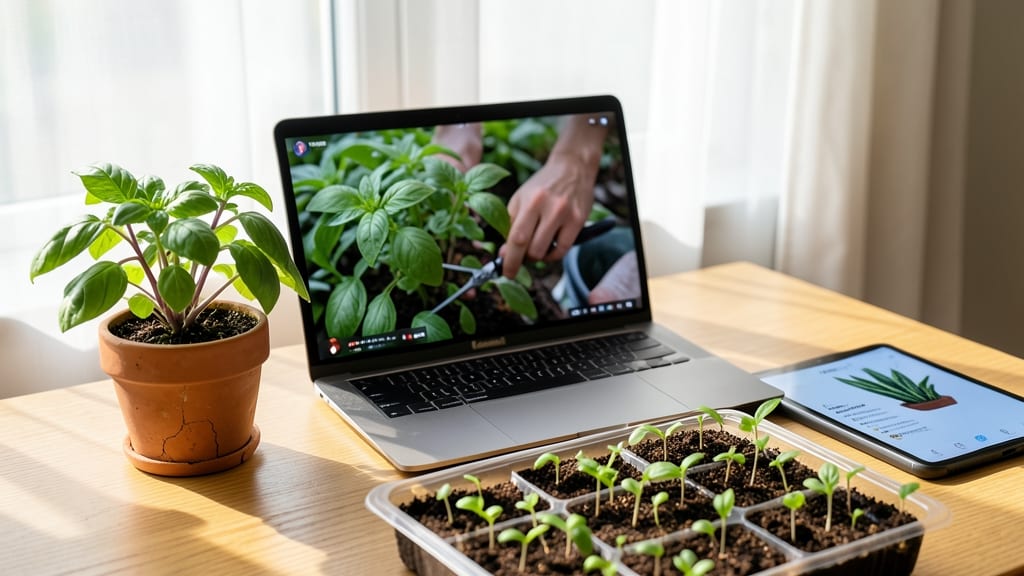
You can learn gardening online through free courses on Coursera, YouTube channels like Gardening Know How, and expert resources from the National Gardening Association or University Extension Programs, which teach everything from soil science to seasonal planting techniques.
Gardening skills are just a few clicks away, thanks to platforms that offer structured learning paths for every experience level. 🌱 Coursera's courses often include video lectures and quizzes, while YouTube channels provide visual demonstrations of techniques like pruning and pest management.
University Extension Programs, funded by land-grant universities, deliver research-backed advice tailored to your local climate—something you won't find in generic guides. These resources collectively bridge the gap between theory and practice, making it easier to grow confident with each season.
What sets these options apart is their accessibility. Many courses are completely free, and you can learn at your own pace—whether you're a complete beginner or looking to refine specific techniques.
The National Gardening Association, for example, offers downloadable guides on everything from composting to container gardening, while Extension Programs often host free webinars on emerging topics like drought-resistant plants or organic pest control.
This combination of structured courses and flexible resources means you're never stuck without guidance, no matter where you are in your gardening journey.
💡 In This Article
- Best Free Online Gardening Courses for Beginners
- Expert-Backed Gardening Resources Beyond Courses
Best free online gardening courses for beginners
When diving into online gardening education, platforms like Coursera stand out for their structured approach. Their courses, often developed in partnership with universities, break down complex topics like soil composition and plant physiology into digestible modules.
For example, the University of California's "Introduction to Horticulture" course covers everything from seed germination rates (typically 7-14 days for most vegetables) to proper pruning techniques that can increase yield by up to 30% when done correctly.
The hands-on projects, like designing a small-scale garden layout, help translate theory into practical skills you can immediately apply in your own space. 🌱
YouTube channels like Gardening Know How offer a more visual learning experience, with videos demonstrating techniques like transplanting seedlings or identifying common pests.
Their content often includes close-up shots of plant roots during transplanting, showing how to minimize root disturbance—a critical factor in survival rates (properly handled seedlings have a 90%+ success rate compared to 50% for roughly handled ones).
The channel's "Ask a Master Gardener" series provides quick troubleshooting for issues like yellowing leaves, which could indicate anything from overwatering to nutrient deficiencies, with specific solutions tailored to your plant type.
For those who prefer self-paced learning with interactive elements, Khan Academy's gardening resources offer bite-sized lessons on topics like composting science. Their modules explain how microbial activity in compost breaks down organic matter at temperatures between 135-160°F, transforming kitchen scraps into nutrient-rich soil amendments.
The platform's quizzes help reinforce concepts like the nitrogen-phosphorus-potassium (NPK) ratios found in fertilizers, with visual comparisons showing how different ratios affect plant growth patterns. This structured approach makes complex gardening science accessible without overwhelming beginners. ✨
What makes these courses particularly valuable is their focus on foundational skills that directly impact your gardening success. For instance, learning proper watering techniques—like applying 1-1.5 inches of water per week—can prevent common issues such as root rot or blossom-end rot in tomatoes.
Many courses also include seasonal checklists, reminding you when to plant specific crops in your climate zone, which can extend your growing season by 2-4 weeks in cooler regions. The combination of visual demonstrations, scientific explanations, and practical projects creates a well-rounded learning experience that builds confidence quickly.
Beyond the core curriculum, these platforms often feature community forums where you can ask questions and share progress. On Coursera, for example, discussion boards frequently include before-and-after photos of student gardens, showing real-world applications of the techniques taught.
This peer interaction adds an extra layer of motivation and accountability, as you see others overcoming similar challenges. The courses also emphasize sustainable practices, teaching how to create low-maintenance garden designs that conserve water and reduce waste—a particularly valuable skill as climate conditions continue to change. 💫
For those with limited time, many courses offer micro-credential options, allowing you to focus on specific areas like organic pest control or vertical gardening. These targeted modules can be completed in as little as 2-4 hours, making it easy to fit learning into a busy schedule.
The key advantage is that you're not just memorizing facts—you're gaining skills that directly improve your gardening outcomes, whether you're growing flowers, vegetables, or herbs. This practical focus sets these courses apart from more theoretical resources.