
Plants
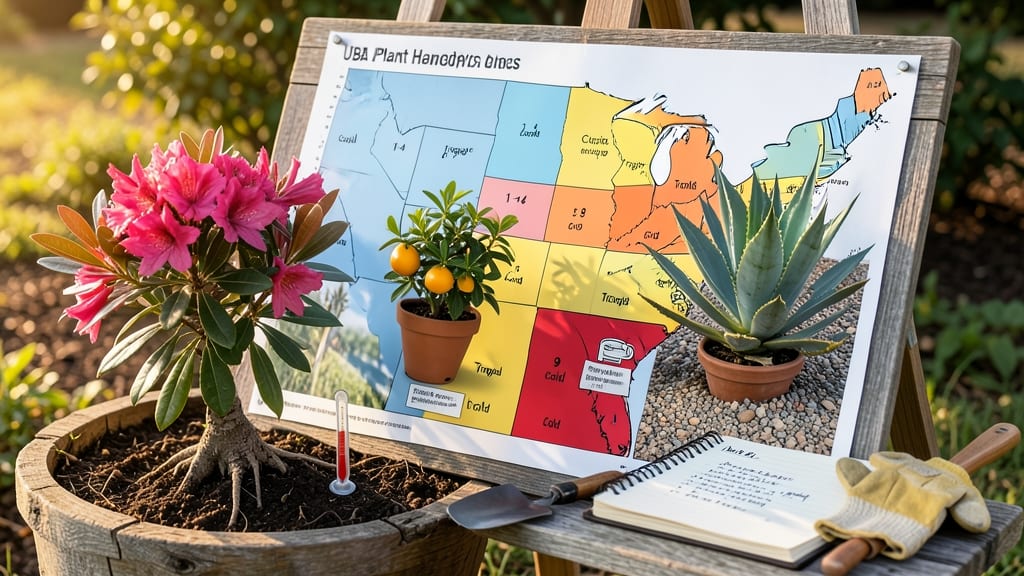
American garden zones help you identify your region's climate conditions for successful planting, using a numbered system (1-13) based on average annual minimum temperatures. Knowing your zone ensures you select plants that survive local frost patterns and seasonal variations.
These zones, developed by the USDA, break down the country into 13 main regions based on the coldest temperatures your area typically experiences. 🌱 For example, Zone 1 can handle extreme cold below -50°F, while Zone 13 rarely sees temperatures below 40°F. The system helps gardeners avoid costly mistakes by matching plants to their natural growing conditions—like choosing cold-hardy blueberries for Zone 3 instead of tropical citrus.
What's interesting is that zones can shift over time due to climate change, sometimes by several zones within decades.
To find your specific zone, use the USDA interactive map or enter your ZIP code into their zone finder tool. Remember that your yard might have microclimates—areas with slightly different conditions due to sunlight exposure, wind patterns, or nearby water features.
These variations can mean a plant thrives in one spot but struggles just a few feet away. I always recommend testing a plant's tolerance by starting with a small sample before committing to full garden beds.
💡 In This Article
- How the USDA Plant Hardiness Zone Map Works
- Finding Your Zone: Tools and Tips for Accurate Plant Selection
How the USDA plant hardiness Zone map works
The USDA Plant Hardiness Zone Map divides North America into 13 primary zones based on the average annual minimum winter temperature—the coldest temperature expected in a typical year.
Each zone represents a 10°F range, with Zone 1 enduring temperatures below -50°F and Zone 13 rarely dropping below 40°F. This system helps gardeners predict which plants can survive winter's harshest conditions in their area.
For example, a Zone 5 garden might handle -20°F to -10°F without protection, while Zone 9 plants need to tolerate 20°F to 30°F.
Beyond temperature, the map considers frost-free days—the number of consecutive days without freezing temperatures—which directly impacts growing seasons. Areas with longer frost-free periods (like Zone 10) allow tropical plants to thrive, while shorter seasons (Zone 3) limit options to hardy perennials.
The science behind this involves analyzing 30 years of climate data to create a reliable baseline, though zones can shift due to climate change. Some regions have already moved one or two zones warmer in recent decades, altering traditional planting advice.
Why does this matter? Plants have genetic limits to cold tolerance. A Zone 6 maple tree, for instance, can survive -10°F but will die if exposed to -25°F for extended periods.
The zone map acts as a survival guide, ensuring you don’t waste time or money on plants that won’t thrive. For example, blueberries need acidic soil and cold winters, making them ideal for Zones 3-7, while citrus trees are restricted to Zones 9-11 due to frost sensitivity.
Zones also account for microclimates—small areas with unique conditions. A south-facing wall can create a Zone 8 microclimate in an otherwise Zone 7 yard, allowing you to grow plants rated for warmer zones.
Conversely, low-lying areas or shaded spots may experience colder microclimates, requiring adjustments. Understanding these nuances helps you maximize your garden’s potential without relying on trial and error.
The map updates every 10 years to reflect climate trends, with the latest 2023 version showing shifts toward warmer zones in many regions. This evolution means gardeners must re-evaluate plant choices periodically.
For instance, Zone 5 in the Midwest might now support plants previously suited for Zone 6. The key takeaway? Zones aren’t static—they’re a living tool that adapts to changing environmental conditions.
For precision, the USDA divides each zone into a and b subzones, representing a 5°F difference. A Zone 6a (-10°F to -5°F) is colder than 6b (-5°F to 0°F), which matters when selecting borderline plants. This granularity ensures you’re not over- or under-estimating your garden’s resilience. 🌿