
Container Gardens
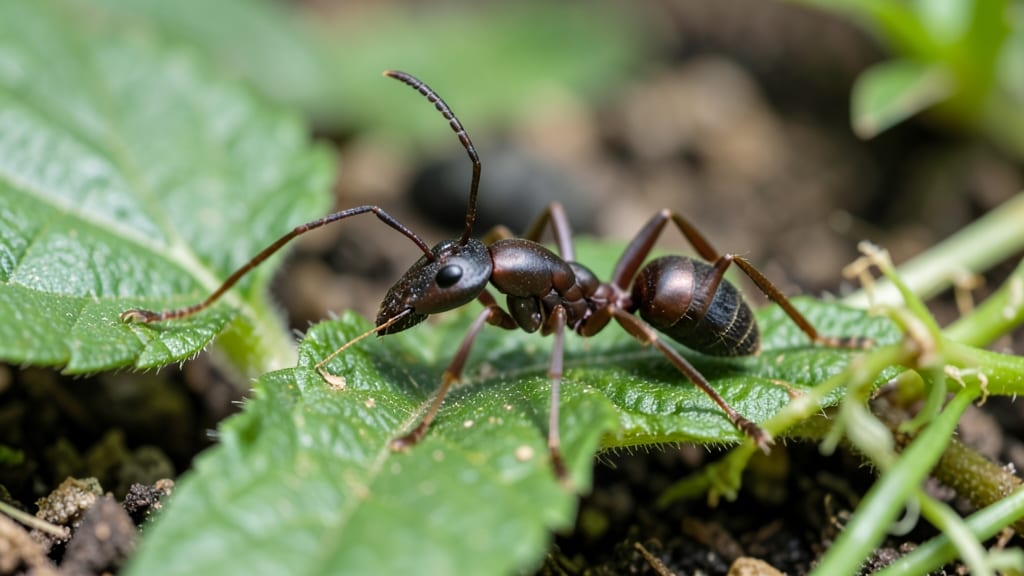
Are ants good for gardens? Yes, because they aerate soil by tunneling, break down organic matter into nutrient-rich compost, and distribute seeds while controlling pests like aphids and termites—though aggressive species may damage plants or disrupt ecosystems.
Ants play a crucial role in maintaining healthy garden ecosystems by acting as nature's soil engineers.
Their tunnels improve drainage and oxygen flow, which helps plant roots thrive. 🌱 Many gardeners notice lush growth in areas where ants are active because these tiny workers also fragment organic debris, accelerating the composting process.
However, not all ants are beneficial—some species like fire ants can harm plants by disturbing root systems or attracting other pests.
To maximize their benefits, focus on species like harvester ants, which are known for their soil-improving habits. If you're dealing with aggressive ants, natural deterrents like diatomaceous earth or vinegar sprays can help without harming your garden's overall health.
The key is balance—these little workers can be your garden's unsung heroes when managed thoughtfully.
💡 In This Article
- How Ants Improve Soil Health and Plant Growth
- Managing Ants in Gardens: Benefits vs. Drawbacks
How ants improve soil health and plant growth
Ants act as nature's soil aerators by creating intricate tunnel networks that can extend 10-20 feet underground in a single colony.
These tunnels improve soil structure by breaking up compacted layers, allowing air and water to penetrate deeper. 🌱 Studies show that ant tunnels increase soil porosity by up to 30%, which enhances root growth and nutrient absorption.
The physical disturbance from their activity also prevents soil from becoming waterlogged during heavy rains, creating microscopic channels that mimic the effects of natural rainfall.
Their role in nutrient cycling is equally impressive. Ants fragment organic debris like fallen leaves and plant matter into smaller pieces, accelerating decomposition by exposing more surface area to soil microbes.
Some species, like leafcutter ants, even cultivate fungal gardens that break down complex carbohydrates into simpler forms plants can absorb. 🍄 This process creates a nutrient-rich "compost tea" that seeps into the soil, providing a slow-release fertilizer.
In one study, areas with active ant colonies showed 25% higher nitrogen availability compared to ant-free plots.
Seed dispersal is another critical service ants provide. Many plants have evolved to rely on ants for seed distribution, offering them nutritious elaiosomes (oily seed attachments) in exchange for transportation. 🌱 This relationship helps establish new plant colonies while improving biodiversity.
Harvester ants, for example, can disperse seeds up to 10 feet from their original location, creating a more diverse plant distribution pattern. Their seed-caching behavior also helps maintain genetic diversity in plant populations by preventing overcrowding of identical genotypes.
Ants also contribute to pest control by preying on garden nuisances like aphids, termites, and other small insects.
A single colony can consume thousands of pests annually, reducing the need for chemical interventions. 💫 However, their impact on microbial communities isn't always positive—some species disrupt beneficial fungi and bacteria that help plants absorb nutrients.
The balance depends on the ant species and local ecosystem, which is why identifying your garden visitors is crucial before deciding whether to encourage or deter them.
One often-overlooked benefit is their role in water retention. Ant tunnels create capillary-like structures that help redistribute moisture throughout the soil profile. 💧 During dry periods, these channels can transfer water from deeper layers to surface roots, effectively acting as a natural irrigation system.
This explains why many gardeners observe healthier plants in areas with active ant colonies, even during drought conditions.
The key to maximizing these benefits lies in understanding which ant species are present.
Native species like pavement ants or harvester ants typically offer more advantages than invasive varieties like fire ants. 🌿 By creating habitat features like mulch piles or rock gardens, you can encourage beneficial species while naturally deterring harmful ones, creating a self-sustaining ecosystem that requires minimal intervention.